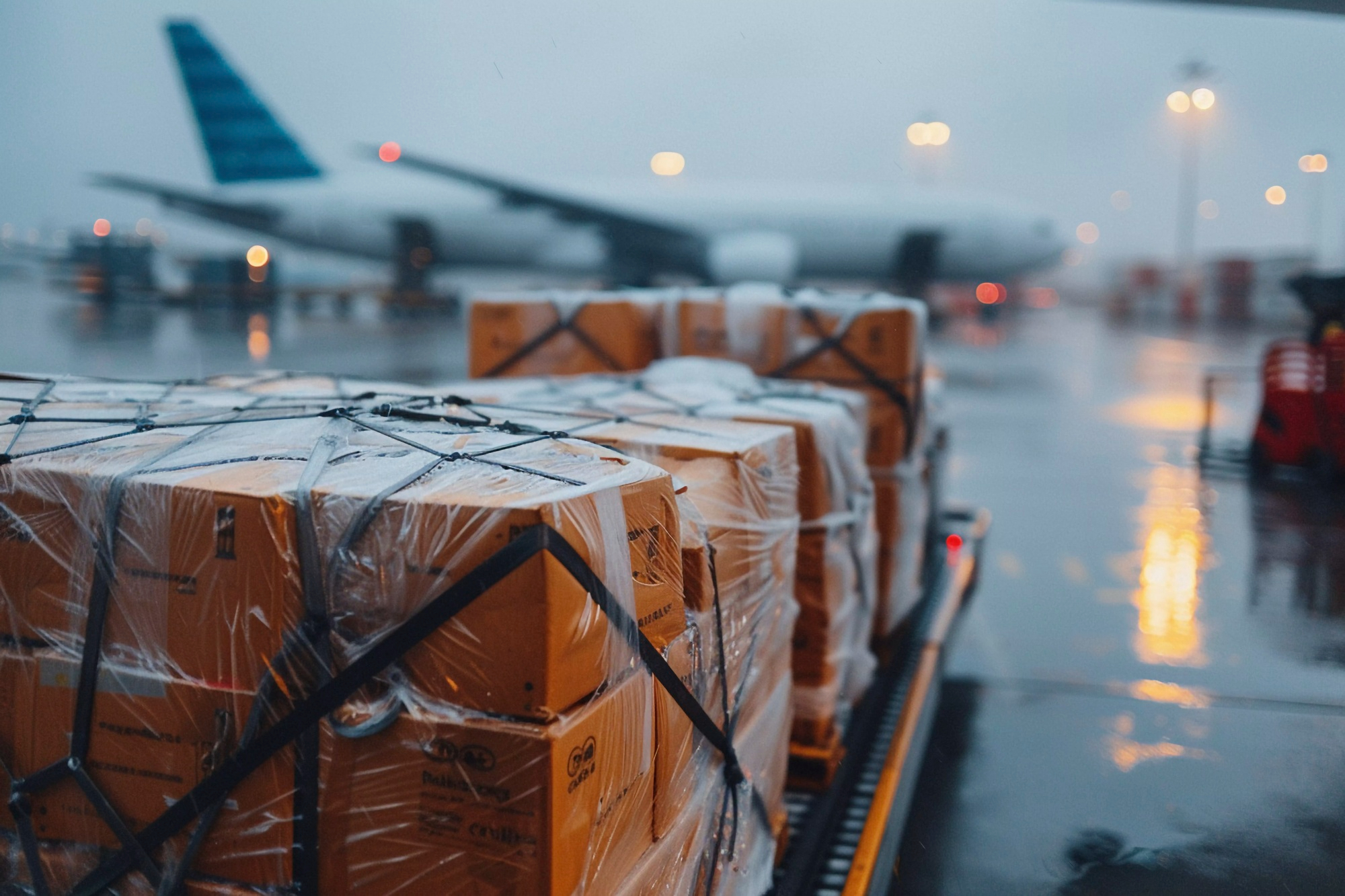
When temperatures drop and storms sweep across the map, overland networks slow down. Highways close, terminals stack up, and schedules slip one by one. In those moments, air freight winter backup is not a luxury. It is the risk control that keeps your production line running, your retail reset on time, and your service commitments intact. Instead of waiting for roads to reopen, air freight winter backup gives you access to stable flight schedules, professional deicing programs, and a faster door to door clock that protects both revenue and customer trust.
For teams that plan seriously, air freight winter backup is a designed option, not a last resort. You predefine the lanes, you know which airports perform in cold weather, and you keep documents and partners ready to move. That preparation turns severe forecasts into routine pivots. Sprinter Emergency Transport Inc. runs this play every winter for manufacturers, healthcare providers, and high value shippers who cannot afford uncertainty. In this guide, we explain how to build, price, and operate air freight winter backup so it is ready when trucking delays arrive.
What “Air Freight Winter Backup” Actually Means
Air freight winter backup is a preplanned ability to shift critical consignments from congested or closed roads into the belly of passenger flights or dedicated freighters, supported by bonded cartage and priority handling. The objective is not simply to fly faster. The goal is to reduce touchpoints, avoid storm chokepoints, and hit fixed delivery windows with fewer failure modes. A well built air freight winter backup includes airport alternates, customs preparation, and ground resources synchronized to the flight schedule so that handoffs are clean and predictable.
In practice, air freight winter backup works best when the road leg is vulnerable and the delivery window is hard. You might move the highest value or highest risk portion by air and keep the balance on ground with team drivers. You might also route to a better performing hub and recover with bonded cartage to a nearby clearance point. Each of these choices preserves the deadline. The constant is that air freight winter backup gives you control when the highway network is unreliable.
Where Air Beats Ground In Winter Conditions
Airports operate with deicing programs, runway condition reporting, and tightly managed flight crews. While storms can still slow cycles, the process disciplines are strong. When roads are closed for long distances or repeatedly disrupted by lake effect snow, air freight winter backup brings back predictability. For mid continent lanes longer than a day by truck, this choice can be the difference between a customer thank you and a costly chargeback.
Time, Risk, And Control: A Simple Decision Framework
A practical way to choose between modes during winter is to score each option for time certainty, product integrity, and control over events. Ground is excellent when highways are open, plows are frequent, and team drivers can run nonstop. Air freight winter backup excels when the distance is long, the highway forecast is unstable, or the customer appointment time is inflexible. The fewer shared nodes you touch, the fewer chances storms can insert delay into your plan.
Another factor is the cost of failure. If a missed date triggers production downtime, field service penalties, or retail resets that cannot slip, air freight winter backup is often the cheapest expensive option. This is not about rate per kilogram. It is about the value of protecting the promise you already made to a customer. When the stakes are high, having a ready path to air matters more than squeezing the last dollar from a truck rate that never arrives.
A Quick Rule You Can Apply
If the lane is over about 1,000 kilometers and the forecast shows freezing rain or heavy snow over one third of the path, model an air freight winter backup immediately. If the service window is under 48 hours and failure carries real penalties, prepare the flight plan even if you expect to go by road. The option you build now is the time you save later.
How To Design Your Air Freight Winter Backup
Designing this option is mostly preparation. The better your files and partners, the faster your pivot. Below is a proven sequence that Sprinter Emergency Transport Inc. uses to make air freight winter backup reliable all season long.
- Define critical SKUs and service levels. Know which items qualify for air and what delivery windows trigger a shift.
- Map airport pairs and alternates. Choose hubs with strong winter performance and secure a secondary option within range.
- Align brokers and documents. Treat customs as phase zero so air freight winter backup never waits on paperwork.
- Prebook bonded cartage providers. Avoid long warehouse lines by moving freight directly to clearance points with capacity.
- Package for flight handling. Engineer crates and cartons for vibration, stacking, and cold exposure.
- Set a communication cadence. Decide how and when stakeholders get updates from tender to proof of delivery.
- Run a tabletop drill. Simulate a switch to air. Fix gaps before the first storm hits.
Build these steps once and your air freight winter backup becomes a simple switch instead of a scramble.
Documentation That Makes Air Move Fast
For international moves, prepare the commercial invoice, packing list, HS codes, and importer numbers in a standard packet your broker has approved. Make sure values and descriptions match. For domestic air, verify any special handling notes, lithium battery declarations, or temperature requirements. Clean files keep air freight winter backup from becoming a paperwork hold.
Packaging And Temperature Protection For Cold Season Flights
Speed is not enough. Products must arrive intact. Flight handling and ramp conditions in winter require strong packouts. Use double wall cartons or engineered crates rated for stacking loads. Immobilize contents with blocking and bracing. Avoid pallet overhang. Apply corner protection and add tilt or shock indicators for fragile devices. The goal is to remove internal movement that cold weakened materials cannot tolerate.
Temperature control also matters. If you cannot tolerate cold shock, use validated passive or active solutions sized for total door to door time with contingency. Data loggers should record at short intervals so you can prove compliance. Clear labels guide handlers who are working in heavy gloves and low visibility. These choices ensure that air freight winter backup protects product quality as well as schedule.
Airport Selection And Ground Synchronization
Not all hubs perform equally in winter. Choose airports with strong deicing capacity, good runway condition reporting, and proven airline schedules during storms. Balance that with ground accessibility. Your recovery plan should include bonded cartage that bypasses congested warehouses and clears at facilities with staffing that matches your delivery time.
Synchronize pickup and recovery to the flight clock. A well run air freight winter backup has freight staged at origin, checked against the airwaybill, and delivered to acceptance with buffer. At destination, a driver and vehicle are waiting on wheels down, with customs already filed and a receiver appointment aligned. That choreography is what converts flight speed into real world delivery speed.
Two Alternates For Everything
Pick two flight routes, two destination airports within range, and two bonded cartage providers. If weather or staffing closes one door, your air freight winter backup walks through the other without delay. Redundancy is the quiet advantage of teams that rarely miss.
Border And Regulatory Considerations For Canada And USA
Cold weather can thin staffing and lengthen lines at border crossings and terminals. Reduce exposure by prefiling entries and confirming importer numbers and ports of arrival ahead of time. If a storm forces an airport change, notify your broker immediately so the entry reflects the new arrival point. A broker first workflow is a cornerstone of predictable air freight winter backup.
Use official resources to decide when to shift modes. Review Transport Canada’s winter guidance to align safety and timing, and monitor national alerts to avoid surprise closures:
These references support decisions with verified information so your pivot to air freight winter backup is informed, not improvised.
Security And Chain Of Custody
Maintain sealed transfers, photo handoffs, and geostamped milestones. For high value items, use discreet routing and minimize dwell. Documentation is part of the service. It proves that your air freight winter backup executed with care from dock to dock.
Technology And Visibility: Make Fast Also Feel Calm
Teams remain calm when they can see the plan and the proof. Provide a single tracking view with milestones from pickup to proof of delivery. Include acceptance at origin, wheels up, wheels down, out for delivery, and the receiver’s signature. Automate exception alerts for weather, deicing delays, or crew times, and pair each alert with a recommended action. Air freight winter backup earns trust when everyone sees the same truth in real time.
Set KPIs that matter. Track door to door time, origin and destination dwell, exception rate, mean time to recovery, and claim rate. After each storm, hold a quick review to adjust airport choices, cartage partners, or communication cadence. Continuous improvement keeps air freight winter backup sharp all winter long.
Finance And Reporting Alignment
Finance needs predictability too. Provide line item quotes that match invoices and a clear policy on when the shift to air freight winter backup is authorized. When leaders can follow the logic and the numbers, approvals move quickly when the forecast turns.
15 Practical Moves To Strengthen Your Plan
- Prebuild an approved airwaybill template for your top lanes
- Photograph packouts and seal numbers at origin for every high value load
- Store two preapproved crate designs for your most common fragile SKUs
- Keep a standby budget for air freight winter backup with thresholds for auto approval
- Add temperature data loggers to sensitive shipments with short recording intervals
- Maintain a list of three winter reliable hubs per region
- Use bonded cartage at destination to beat warehouse lines
- Align delivery appointments with local plow cycles at receivers
- Put receiver mobile numbers and gate instructions on the driver packet cover
- Train your team to declare Incoterms and importer of record on every file
- Share one tracking link with all stakeholders from pickup
- Run a weekly storm readiness call during peak months
- Stage freight by the door and pre wrap before pickup
- Add tilt indicators to any crate with delicate assemblies
- Close each mission with a complete audit file for quality and finance
These habits save minutes at each step, which adds up to hours. That is exactly how air freight winter backup protects outcomes when roads are uncertain.
Cost, Value, And The Real ROI Of Switching To Air
Comparing truck and air rates misses the point. The right calculation is total landed cost and risk avoided. If a day late costs more in penalties, line downtime, or lost sales than the flight, then air freight winter backup is the financially correct decision. It also reduces touches, which lowers damage and shrink, and it speeds invoicing by hitting the promised delivery date. When you model the full picture, the pivot often pays for itself.
Another return is customer confidence. Your sales and service teams promise with more certainty when they know a prebuilt air freight winter backup exists. That confidence improves win rates and retention, which is the long tail benefit many organizations overlook.
Blended Strategies That Spend Smarter
You do not need to fly everything. Move the critical fraction by air, keep the rest on ground, and meet the same deadline with lower cost. Air freight winter backup is flexible by design. Use it as a scalpel, not a hammer.
Why Choose Sprinter Emergency Transport Inc.
Sprinter Emergency Transport Inc. operates air freight winter backup as a disciplined program. Our coordinators answer in minutes, map airport pairs and alternates, and pre align brokers and bonded cartage so the option to fly is always real. You get a written plan that covers flight selection, ground synchronization, and document flow from intake to delivery. The result is speed you can count on and proof you can share.
Customers choose us because we combine nonstop ground, premium air, and border expertise under one roof. We provide geostamped milestones, proactive exception notes, and complete audit files at close. Our teams design packouts for winter, verify special handling, and keep security tight with sealed transfers and photo handoffs. When trucking delays threaten your promise, air freight winter backup with Sprinter Emergency Transport Inc. turns risk into a predictable outcome.
What You Can Expect On Every Mission
From the first call, we confirm the real delivery window, the freight profile, and the consequences of delay. We build a door to door plan with primary and alternate flights, arrange bonded cartage, and coordinate with your broker to file early. We share a single tracking link and keep communication on a steady cadence. At delivery, we close with photos, signatures, and documents so finance and quality teams can finish fast.
Make Winter A Variable You Control
Winter will test every assumption in your supply chain. The difference between a scramble and a success is preparation. When trucking delays are likely, a ready air freight winter backup lets you move critical goods on time without drama. Map the airports, align the documents, plan the cartage, and set the budget in advance. Then, when the storm arrives, you pivot in minutes instead of hours.
If you want to turn severe forecasts into routine wins, share your lanes and deadlines. Sprinter Emergency Transport Inc. will design an air freight winter backup that fits your risk, budget, and service levels. Your customers will see on time deliveries. Your team will see calm operations. Your business will see winter as a season you manage, not endure.
Frequently Asked Questions
1) What is air freight winter backup and when should I use it?
Air freight winter backup is a preplanned option to shift critical shipments from road to air when storms or congestion threaten delivery times. Use it when service windows are tight, distances are long, or highway forecasts show significant disruption along the route.
2) How does air freight winter backup interact with customs?
Treat customs as phase zero. Share commercial invoices, packing lists, HS codes, values, and importer numbers with your broker before pickup. If weather forces an airport change, notify the broker immediately so entries match the new arrival point and the air freight winter backup moves without delay.
3) What packaging changes are needed for air freight winter backup in cold weather?
Use double wall cartons or engineered crates, block and brace contents, avoid pallet overhang, and add corner protection. If temperature matters, validate passive or active solutions and include data loggers. These steps protect your product during air freight winter backup and ramp handling in freezing conditions.
4) Is air freight winter backup always more expensive than ground?
Rates per kilogram may be higher, but total landed cost can be lower when you avoid penalties, downtime, claims, and lost sales. When a missed day costs more than the flight, air freight winter backup is the financially correct option.
5) Can I blend modes so only part of the shipment flies?
Yes. Many teams move the critical fraction by air and keep the rest on ground, arriving on the same date. This blended approach uses air freight winter backup as a precise tool to protect the outcome with smart spend.
6) How do I choose the right airports for air freight winter backup?
Pick hubs with strong deicing capacity, consistent winter schedules, and good ground access. Maintain at least one alternate within range. Pair the airport choice with bonded cartage to bypass congested warehouses and keep air freight winter backup on schedule.
7) How does Sprinter Emergency Transport Inc. support air freight winter backup?
We design the backup in advance with airport pairs, alternates, broker alignment, and bonded cartage. We provide live milestones from pickup to proof of delivery and close with a complete audit file. When trucking delays threaten your promise, our air freight winter backup delivers a predictable result.