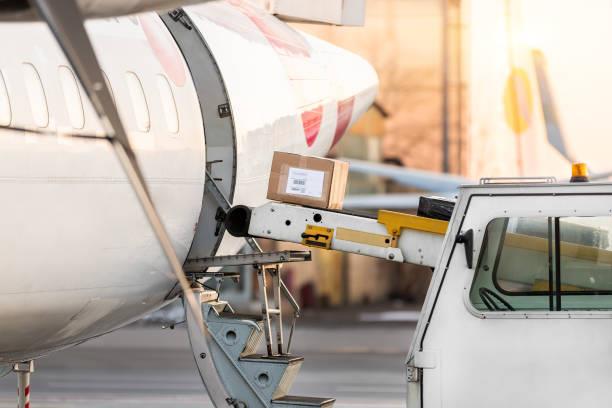
Choosing between air charter vs freight is one of the most important strategic calls a shipper can make when the clock is ticking. On paper, both options move goods by air, but in practice they behave very differently. With commercial air freight, your shipment shares space on a scheduled aircraft that is optimized for network efficiency. With air charter vs freight, you can think of charter as a dedicated aircraft that exists only for your cargo and your delivery window, which changes the level of control you have over routing, timing, and risk.
For manufacturers, healthcare providers, energy companies, and high tech shippers, the air charter vs air freight question often surfaces only when something has already gone wrong. A line is down, a critical part is stuck in transit, or a customer deadline cannot slip. In those moments it is easy to default to the option that sounds faster without really understanding how air charter vs freight behave door to door. Sprinter Emergency Transport Inc. helps shippers answer that question in advance so that when the pressure is highest, the right play is already mapped out.
Understanding The Two Paths In Air Charter vs Freight
Before you can choose confidently, you need to understand what actually happens operationally in air charter vs freight scenarios. Commercial air freight works within the framework of published flight schedules, shared aircraft capacity, and standard handling processes at airports. Your freight is one of many pieces in a complex network, and while this model is efficient for routine shipments, it also introduces fixed cutoffs, connection risks, and handling queues that you do not control.
Air charter vs freight changes that picture by taking your shipment out of the shared network and building a plan specifically for your load. In an air charter vs air freight mission, the aircraft departs when your cargo is ready, flies directly to chosen airports that best serve your origin and destination, and connects with prearranged ground handling and trucking on both ends. This dedicated setup minimizes dwell time and handoffs, which is why air charter vs freight becomes so valuable when minutes actually matter.
What Is Air Charter In Practical Terms
From an operational viewpoint, air charter vs freight means you are reserving an entire aircraft, its crew, and its schedule for your cargo alone. Instead of contorting your shipment around an existing timetable, air charter vs freight lets Sprinter Emergency Transport Inc. design departure times, flight paths, and alternates to match your delivery commitments, not those of other shippers. This makes air charter vs air freight ideal for oversized shipments, high value cargo, or emergency situations where there is no tolerance for rolled freight or missed connections.
What Is Commercial Air Freight And When It Fits
Commercial air freight is still an important part of the air charter vs freight toolkit, especially for predictable flows and budget sensitive shipments. In this model, your freight travels as part of a consolidated load on scheduled passenger or freighter aircraft. When planning well in advance, commercial flights can offer attractive rates and acceptable transit times. The challenge in air charter vs air freight planning is that commercial freight is vulnerable to weather delays, capacity shortages, and hub congestion, which is why it must be weighed carefully against dedicated options.
When Air Charter vs Freight Makes The Most Sense
There is no single rule that applies to every situation, but certain patterns appear again and again in air charter vs freight decisions. If the cost of missing a delivery is higher than the premium for a charter flight, that is a strong signal that air charter vs freight should lean toward charter. Examples include plant shutdown avoidance, medical product launches, emergency repairs for critical infrastructure, and high stakes events where schedules cannot be recovered once missed. In these scenarios the value of certainty from air charter vs freight overwhelms simple rate comparisons.
Another key factor in air charter vs freight planning is origin and destination access. If your shipping and receiving points are far from major cargo hubs, commercial air freight may actually be slower door to door than a well executed charter. With air charter vs freight, Sprinter Emergency Transport Inc. can often use secondary airports with shorter ground times and more flexible handling, while integrating dedicated ground expedite on both sides of the border. When combined, these factors often make air charter vs freight the winning choice even on lanes that appear shorter by distance alone.
Time Sensitivity And Service Windows
Time sensitivity drives much of the air charter vs freight equation. If your delivery window is measured in hours rather than days, reliance on commercial connections becomes risky. Air charter vs freight lets you control departure times to align precisely with production schedules, operating room bookings, or contractual milestones. This ability to schedule around your needs rather than around an airline timetable is one of the strongest advantages charter holds in the air charter vs air freight comparison.
Cargo Profile, Routing, And Risk
Not all freight behaves the same under stress, and those differences matter in air charter vs air freight decisions. Oversized machinery, hazardous materials, live animals, and high value electronics each impose special handling requirements that may be difficult to accommodate on standard flights. Air charter vs freight allows Sprinter Emergency Transport Inc. to select aircraft with the right door size, range, and load capabilities, and to build routes that avoid unnecessary handling. When every rehandling step increases risk, the direct nature of air charter vs freight becomes even more attractive.
Example Scenario For Production Line Recovery
Imagine a major component fails at a Canadian automotive plant and the only replacement sits in a warehouse several provinces away. Commercial options would involve waiting for belly cargo space, delivering to a hub, and routing through standard facilities. In an air charter vs freight plan, Sprinter Emergency Transport Inc. positions a suitable aircraft near the supplier, synchronizes a hotshot pickup, and flies directly to an airport close to the plant, where a dedicated truck completes the last mile. The entire recovery can be completed in a single coordinated air charter vs freight mission that prevents a costly line stoppage.
Cost, Value, And Risk Management In Air Charter vs Freight
Cost is always part of the conversation, but assessing price alone can be misleading in air charter vs air freight decisions. On a simple per kilo basis, commercial air freight almost always appears cheaper. However, that calculation ignores the financial impact of delays, damaged goods, and missed customer commitments. To make a fair comparison, air charter vs freight should be evaluated in terms of total landed cost plus the value of protecting your business from operational risk.
This broader perspective reveals that air charter vs freight often saves money over the full life of a project or production cycle. If a missed delivery would cause a shutdown worth hundreds of thousands of dollars per day, paying a premium for dedicated lift is a prudent insurance policy. When air charter vs freight is used strategically, you deploy charter only when the stakes justify it and use commercial air freight for less time sensitive volumes, achieving an effective balance between cost and service.
Direct Costs And Hidden Costs
When analyzing air charter vs freight, it is helpful to separate direct and hidden costs. Direct costs are the rate quotes you receive for each mode. Hidden costs include downtime, penalties, expedited recovery shipments, lost sales, and reputational damage when customers are disappointed. Air charter vs freight decisions that focus only on direct rates risk underestimating these less visible but very real expenses. Sprinter Emergency Transport Inc. helps clients build models that account for all of these factors so that air charter vs freight choices are grounded in true business impact rather than sticker price alone.
How To Build A Simple Comparison Model
A simple but powerful way to compare air charter vs freight is to list the total financial impact of each option in a few columns. First, write down the quoted cost for charter and for commercial air freight. Second, estimate the probability and cost of late delivery under each scenario. Third, consider the cost of lost opportunities if the shipment does not arrive in time. By multiplying probabilities and outcomes, you can see the expected cost of each air charter vs freight path. Often this calculation shows that the more expensive option on paper is actually cheaper once risk is fully accounted for.
Here is a practical list of questions to ask when you run this kind of air charter vs air freight model:
- What is the true financial impact if the shipment is late or damaged
- How many handoffs and touchpoints will each air charter vs freight option require
- How likely are delays at each hub, border, or transfer point
- Which airports or routes are most resilient in bad weather
- How visible will tracking and communication be for each air charter vs freight approach
- Are there regulatory or security constraints that favor dedicated lift
- How often will this shipment type repeat and can the model be reused
Answering these questions makes the air charter vs freight decision less emotional and more analytical.
Compliance, Safety, And Canadian Regulatory Context
Regulatory compliance is a core part of air charter vs freight planning, especially for Canadian businesses that move goods across borders. Aviation safety rules, security programs, and customs requirements all influence which airports you can use, how cargo must be packed, and what documentation is required. When comparing air charter vs freight, it is important to realize that charter flights are subject to the same high safety standards as scheduled services, but they often offer more flexibility in choosing airports and timing within those rules.
Canadian shippers can tap into official guidance when planning air charter vs air freight strategies. The Canada Border Services Agency provides information about customs requirements and trade programs that affect how goods move in and out of the country. Transport Canada publishes regulations and safety information for air operators and shippers, helping you understand how air charter vs freight plans must comply with national aviation policy. By aligning logistics plans with this guidance, Sprinter Emergency Transport Inc. keeps air charter vs freight missions both safe and efficient.
Working With Aviation And Security Rules
Dangerous goods handling, security screening, and advanced cargo information programs all influence how air charter vs freight operations are designed. Commercial air freight often follows standardized procedures that work well for routine shipments but may cause delays when paperwork is incomplete or when goods require special handling. Air charter vs freight, especially when managed by an experienced provider, can be tailored to complex regulatory requirements from the start, making it easier to move sensitive or high consequence cargo without last minute surprises.
Cross Border Air Charter vs Freight For Canada United States Lanes
Canada United States trade lanes are among the busiest in the world, and cross border regulations affect every air charter vs freight decision on these routes. When shipments move on commercial flights, they are bound by the capacity and timing of passenger or freighter networks. In contrast, cross border charter flights can be scheduled to clear customs during quieter periods and to use airports with strong customs staffing. Sprinter Emergency Transport Inc. designs air charter vs air freight plans that align trucking, customs documentation, and flight schedules across both countries for smoother movement.
Why Choose Sprinter Emergency Transport Inc.
Selecting the right partner can make the difference between success and frustration in air charter vs freight planning. Sprinter Emergency Transport Inc. specializes in time critical logistics where choosing between air charter vs freight is not an abstract exercise but a real world decision that protects revenue and customer trust. Our team analyzes cargo profile, route options, airport capabilities, and regulatory constraints, then proposes an air charter vs freight plan that balances speed, risk, and cost according to your priorities.
What sets Sprinter Emergency Transport Inc. apart is the way we integrate ground and air into a single end to end solution. Instead of leaving you to coordinate trucks, brokers, and airlines on your own, we manage every step of the air charter vs air freight journey, from hotshot pickup and packing support to customs coordination and final mile delivery. This unified approach means fewer handoffs, clearer communication, and a consistent point of accountability, which is exactly what shippers need when navigating air charter vs freight choices under pressure.
Making Confident Choices In Air Charter vs Freight
Choosing correctly between air charter vs freight is not simply a matter of picking the faster sounding option. It is about matching service type to the real stakes of your shipment, the specific constraints of your route, and the risk tolerance of your business. When you weigh total cost, risk, and operational impact, it becomes clear that both commercial air freight and charter have important roles to play in a balanced logistics strategy. The real strength comes from knowing when air charter vs freight should tilt toward one side or the other.
By working with an experienced partner like Sprinter Emergency Transport Inc., you gain access to people who make air charter vs freight decisions every day for high consequence shipments. Whether you are preventing a plant shutdown, supporting a medical emergency, or keeping a global product launch on track, we can help design a plan that uses air charter vs freight intelligently. The result is a logistics strategy that protects your timelines, your margins, and your reputation.
Frequently Asked Questions
1. When should I choose air charter vs freight for my shipment?
You should consider air charter vs freight when the cost of missing your delivery window is higher than the premium for a dedicated flight, when your cargo requires special handling, or when commercial options involve multiple risky connections that threaten reliability.
2. Is air charter vs freight always faster than commercial air freight?
Door to door, air charter vs freight is usually faster for urgent shipments because charter flights can depart as soon as cargo is ready and fly directly to the most suitable airports, while commercial freight must follow published schedules and handling queues.
3. How does air charter vs freight compare in cost for regular shipments?
For routine and predictable volumes, commercial air freight is usually more economical, while air charter vs air freight is best reserved for critical or high value shipments where delivery risk needs to be minimized.
4. Can I combine air charter vs freight within the same supply chain?
Yes, many shippers use a hybrid approach where most cargo moves on commercial services and only the most time sensitive or high impact loads use air charter vs freight, achieving a balance between cost control and service assurance.
5. What kind of cargo benefits most from air charter vs freight choices?
Oversized machinery, high value electronics, urgent manufacturing parts, medical equipment, and time sensitive promotional materials are common examples where air charter vs freight analysis often leads to dedicated aircraft solutions.
6. How do regulations affect air charter vs freight planning for Canadian businesses?
Regulations from agencies such as the Canada Border Services Agency and Transport Canada influence which airports, aircraft, and handling procedures are acceptable, so air charter vs freight plans must be designed in compliance with those rules for smooth operations.
7. How can Sprinter Emergency Transport Inc. help me decide on air charter vs air freight for my next project?
Sprinter Emergency Transport Inc. reviews your deadlines, cargo characteristics, route options, and risk tolerance, then builds a clear comparison of air charter vs freight scenarios so you can select the option that delivers the best combination of speed, safety, and value.