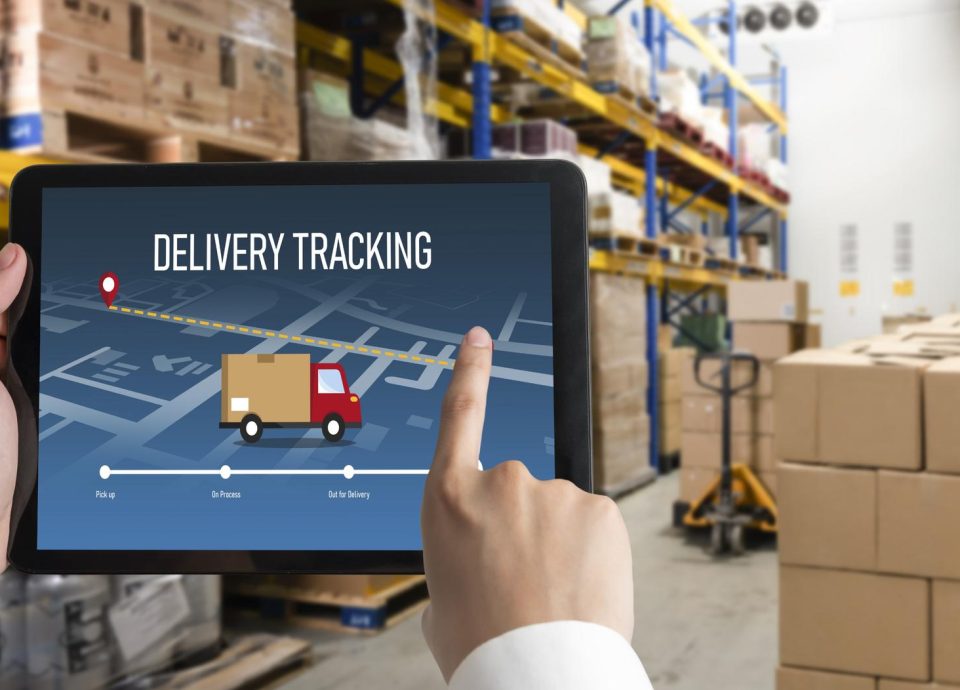
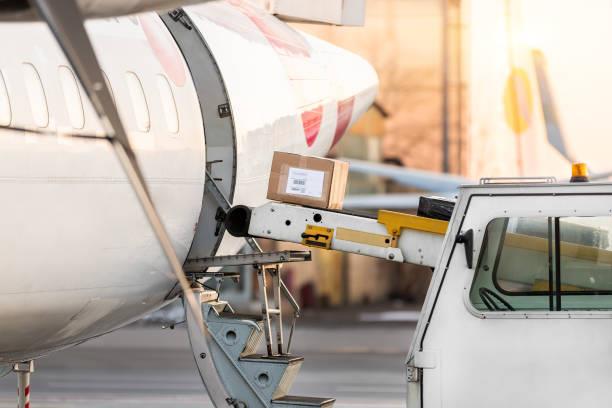
When timelines are tight and the shipment is worth more than a house, traditional freight can feel risky. Routing delays, missed connections, and long dwell times in busy hubs all increase exposure. For many organizations, hand carry logistics has become the answer. By placing a trained courier physically in charge of the shipment every step of the way, hand carry logistics keeps critical cargo close, visible, and controlled from pickup to delivery.
Sprinter Emergency Transport Inc. specializes in time critical and high value movements where failure is not an option. Hand carry logistics allows your cargo to travel like a passenger instead of a pallet, with a dedicated specialist escorting it from check in to customs to final handoff. In this guide, you will learn how hand carry logistics works, when it makes sense, how it supports compliance with Canadian security and customs rules, and what to expect when you partner with Sprinter Emergency Transport Inc. to move high value freight.
Why High Value Freight Needs A Different Strategy
High value shipments combine several risk layers. They are attractive to thieves, costly to damage, and often mission critical for operations, production, or patient care. When these loads move through standard freight channels, they may sit in unsecured areas, pass through many hands, and rely on complex tracking systems. Hand carry logistics treats this freight differently. The shipment stays under the eye of a single, vetted courier who travels on the same aircraft and manages each connection in real time.
Risk is not limited to theft. Temperature swings, rough handling, or unexpected inspections can all impact sensitive cargo. Hand carry logistics reduces those variables by keeping the item within reach. The courier can respond to gate changes, delays, and weather disruptions on the spot, rather than waiting for system updates hours later. For organizations that cannot afford to replace or reproduce what they ship, hand carry logistics turns an unpredictable journey into a managed mission.
The Hidden Costs Of Standard Freight For High Value Loads
Standard freight is efficient for routine goods, but it spreads responsibility across many actors. Cargo may be screened, sorted, and stored by multiple parties before it ever boards a flight. In Canada, programs such as Transport Canada’s Air Cargo Security Program set security requirements for companies that screen, store, or transport secure air cargo, and these rules help protect the supply chain as a whole. Even in this regulated environment, high value shipments can benefit from a higher level of personal oversight. Hand carry logistics adds that oversight without fighting the broader security framework.
What Is Hand Carry Logistics?
Hand carry logistics, sometimes called on board courier service, is a premium solution where a professional courier physically escorts a shipment on commercial or charter flights. The shipment may ride in the cabin as properly documented baggage or in the hold, depending on size and airline rules, but the courier stays close. This specialist is responsible for check in, customs paperwork, security checkpoints, and continuous status updates. For true hand carry logistics, the shipment never leaves the control of the escort until it reaches the authorized recipient.
The service is especially valuable for high value, sensitive, or irreplaceable items. Examples include critical aircraft or automotive components, semiconductor equipment parts, luxury goods, legal or financial documents, and medical devices. In each case, speed and security matter more than raw transport cost. Hand carry logistics delivers this combination by replacing anonymous handling with accountable stewardship.
How Hand Carry Logistics Differs From Express Courier
Hand carry logistics is not just a faster version of express shipping. In standard courier service, your parcel travels through a network of sorting hubs and vehicles with automated scans. In hand carry logistics, a dedicated person is assigned to your shipment alone. That courier may move through the same airports as everyone else, but they build the routing around your delivery, not around network efficiency. This direct responsibility is what turns hand carry logistics into a true secure transport method for high value freight.
How Hand Carry Logistics Works Step By Step
A typical hand carry logistics mission begins long before the courier arrives at the shipper’s door. First, planners validate route options, airline policies, visa requirements, and security conditions. They confirm that all documentation, including invoices, packing lists, and permits, are complete and aligned with customs expectations. In Canada, importers and carriers must respect Canada Border Services Agency rules on high value commercial goods and reporting, which define thresholds for high value shipments and documentation requirements. This groundwork ensures that hand carry logistics flows smoothly once the journey starts.
On the day of movement, the courier arrives early, inspects the package or container for integrity, and confirms identification details. The courier then travels with the cargo to the departure airport, manages check in, and clears security. Throughout the trip, the courier watches connections, monitors delays, and adjusts as needed. Upon arrival, they handle local customs procedures, then personally hand the cargo to the consignee, capturing signatures and time stamps to close the chain of custody.
Chain Of Custody In Hand Carry Logistics
Chain of custody is the continuous record of who has control of an item at every step. In hand carry logistics, chain of custody is straightforward. The courier takes possession from the shipper, passes through checkpoints with the shipment, and only releases it to the named recipient or authorized designee. That clarity reduces gaps where cargo could be misplaced, tampered with, or misrouted.
Risk Management, Security, And Compliance
For high value freight, risk management is not optional. Hand carry logistics addresses both operational and regulatory risk. On the security side, hand carry logistics keeps the shipment in highly supervised environments like passenger terminals and cabins rather than unsupervised cargo yards. On the compliance side, professional providers align procedures with programs such as Transport Canada’s secure supply chain and air cargo security initiatives, which set standards for screening and secure handling across the journey.
Border compliance is equally important. For cross border moves, especially into or through Canada, high value freight must be declared correctly, with accurate valuation and classification. The CBSA’s commercial importing guides explain how value for duty and documentation must be established for commercial goods, including high value shipments. Hand carry logistics providers work within these frameworks, ensuring entries reflect the true nature and value of the cargo and that inspection requests can be met quickly without compromising security.
Comparing Hand Carry Logistics To Charter And Standard Cargo
Charter flights offer control but require significant budget and lead time. Standard air cargo is cost effective but exposes loads to many transfer points. Hand carry logistics sits between these options. It uses scheduled flights for efficiency but adds a dedicated escort for security and agility. The result is a flexible, secure, and often faster solution for select high value moves.
When Hand Carry Logistics Is The Right Choice
Hand carry logistics is not the answer for every shipment. It is most effective when cargo is compact, extremely valuable, time critical, or sensitive. If a production line will stop without a single component, if a healthcare facility needs a device for a specific patient, or if legal documents must arrive by a fixed deadline, hand carry logistics aligns with the level of risk involved. The method becomes a strategic tool rather than a luxury.
Geography also matters. Hand carry logistics shines on routes where multiple connections, regional airports, or complex border crossings increase exposure. A trained courier can handle sudden gate changes, tight layovers, and regional regulations with flexibility that standard cargo processes cannot match. For global businesses that depend on predictable operations, hand carry logistics offers a visible, managed path through uncertain environments.
Situations That Strongly Favour Hand Carry Logistics
If an item is irreplaceable within the required timeline, if delays would cause major financial losses, or if confidentiality is critical, hand carry logistics is worth serious consideration. These conditions turn a simple shipment into a mission, and missions benefit from dedicated escorts.
Ideal Use Cases For Hand Carry Logistics
- Critical aircraft on ground parts that must reach a stranded aircraft quickly
- Semiconductor tools or parts that could halt an entire fab line
- Pharmaceutical or medical devices needed for scheduled procedures
- High value luxury items where brand security and reputation are at stake
- Prototype electronics or confidential samples for product launches
- Legal or financial documents that must be signed in person on a specific date
- Time sensitive tenders, bids, or government submissions with hard deadlines
- Replacement components for energy, telecom, or data center infrastructure
Each of these situations combines urgency, value, and sensitivity. Hand carry logistics offers a secure, accountable pathway that matches the stakes.
Integrating Hand Carry Logistics With Your Supply Chain
Hand carry logistics should sit inside your broader logistics strategy, not beside it. The best programs define criteria for when to activate hand carry, who can request it, and how it is budgeted. For example, some companies trigger hand carry logistics when downtime cost per hour exceeds a set threshold, or when replacement value passes a certain figure. These rules keep use focused and high value.
Documentation is another integration point. Clear internal playbooks for customs, insurance, and approvals help hand carry logistics move quickly. By aligning your processes with external frameworks like Transport Canada’s aviation security programs and CBSA’s importing rules, your team can respond quickly when a hand carry mission is needed, without risking noncompliance.
How Data And Feedback Improve Future Missions
After each move, reviewing on time performance, route choices, and communication timelines helps refine your hand carry logistics playbook. Over time, this feedback loop reduces surprises, improves estimates, and keeps service aligned with real world risks.
Canadian Government Resources That Support Secure Moves
Reliable public guidance helps organizations understand their responsibilities and risk landscape. Two useful Canadian government resources include:
- Transport Canada’s aviation security and air cargo security information, which outlines secure supply chain programs, air cargo security standards, and pre load cargo targeting for flights to or within Canada
- The CBSA’s guide to importing commercial goods, which explains documentation, valuation, and duty calculation for commercial imports, including high value shipments
When you combine these public standards with a professional hand carry logistics provider, you create a secure, compliant framework for moving critical cargo across borders.
Using Public Guidance In Your Internal Policies
By aligning internal approval rules, documentation templates, and vendor requirements with these federal resources, companies can be confident that hand carry logistics missions respect both security and customs expectations.
Why Choose Sprinter Emergency Transport Inc.
Sprinter Emergency Transport Inc. focuses on urgent, high value, and high stakes movements where control and communication are essential. Each hand carry logistics mission begins with route design that balances speed, security, and cost. Trained couriers are vetted, briefed on cargo specifics, and supported by 24/7 operations that monitor flights, weather, and regulatory developments in real time.
The company integrates hand carry logistics into a broader toolkit that includes time critical ground transport and air solutions. This means your shipment can move seamlessly from facility to airport to final site with one partner accountable for each handoff. Clear status updates, documented chain of custody, and a structured escalation plan turn hand carry logistics from a last minute scramble into a repeatable service model that supports your business.
How Sprinter Emergency Transport Inc. Builds Confidence
From first contact, Sprinter Emergency Transport Inc. clarifies requirements, constraints, and risk tolerance. The team then proposes a tailored hand carry logistics plan with clear timelines, cost structure, and communication touchpoints. That transparency lets you decide when the service is the right match for your shipment and your budget.
Getting Started With Hand Carry Logistics
If you have never used hand carry logistics before, the first step is a conversation about your risk profile. Identify which products, components, or documents would justify this level of service. Then map your most common routes, partners, and time windows. With that information, Sprinter Emergency Transport Inc. can help you outline scenarios where hand carry logistics provides strong return on investment.
Next, set internal triggers and contacts. Decide who can approve a hand carry mission and how requests flow after hours. Prepare a core document pack template that includes commercial invoices, packing lists, and any required certificates. By building these pieces in advance, you avoid delay when you most need speed. Once established, hand carry logistics becomes a practical, well understood option instead of an emergency improvisation.
A Simple Internal Checklist
Define what items qualify, who approves, which documents are needed, and how you measure success. With those four elements, your team will be ready to deploy hand carry logistics efficiently and safely when the need arises.
Turning Risk Into A Managed Operation
High value freight does not have to move through the world like ordinary cargo. When the stakes are high, hand carry logistics offers a secure, visible, and accountable way to move critical items from origin to destination. A trained courier, backed by expert planning and live monitoring, transforms a vulnerable journey into a managed operation.
Sprinter Emergency Transport Inc. partners with organizations that cannot afford to lose or delay key shipments. By combining hand carry logistics with thoughtful planning and alignment to Canadian security and customs rules, we helps clients reduce risk, maintain operations, and protect reputations. If your next critical shipment needs more than a tracking number, consider whether hand carry logistics is the secure path that fits the value on the line.
Frequently Asked Questions
1) What is hand carry logistics and how is it different from standard courier service?
Hand carry logistics assigns a dedicated courier to personally escort your shipment on commercial flights, handling check in, security, and customs, while standard courier services place parcels into a shared network of hubs and vehicles.
2) When should a company choose hand carry logistics instead of express air freight?
Hand carry logistics is most appropriate for compact, high value, time critical, or sensitive shipments where delays or loss would cause significant disruption, financial loss, or reputational damage.
3) How does hand carry logistics improve security for high value freight?
Security improves because a trained courier maintains continuous custody of the shipment, oversees each transfer point, and responds in real time to route changes, which reduces opportunities for loss, misrouting, or tampering.
4) Is hand carry logistics compliant with Canadian air cargo and customs regulations?
Yes, when managed properly it works within Transport Canada aviation security programs for air cargo and aligns with Canada Border Services Agency rules for documentation and reporting of commercial imports, including high value shipments.
5) What types of goods are best suited for hand carry logistics?
Items that are small but extremely valuable or sensitive, such as critical spare parts, high value electronics, medical devices, or confidential documents, are ideal candidates for hand carry logistics.
6) How quickly can a hand carry logistics mission be arranged?
Lead time depends on route complexity, visas, and documentation, but experienced providers can often plan and launch a mission within hours once shipment details, approvals, and paperwork are in place.
7) How does Sprinter Emergency Transport Inc. communicate during a hand carry logistics shipment?
During each mission, Sprinter Emergency Transport Inc. provides structured updates at key milestones, such as pickup, airport check in, departure, connection, arrival, customs clearance, and final delivery, so you always know where your shipment is and who has it.