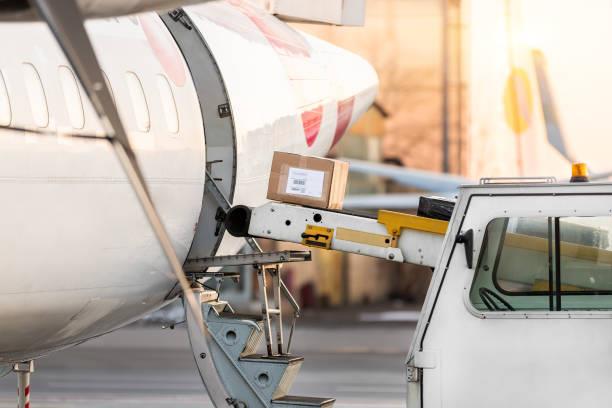
Real-time visibility is no longer a nice-to-have in urgent logistics. When a shipment is tied to a production line, a medical deadline, an aircraft-on-ground event, or a customer promise that cannot slip, you need more than an estimated delivery window. You need to track expedited freight with confidence, using data that is accurate, timely, and easy to act on. The best tracking plans are built before pickup, not after a delay, because the right tools and checkpoints make real-time monitoring far more reliable.
At Sprinter Emergency Transport Inc., we see the difference tracking makes every day. When clients can track expedited freight in real time, decisions get easier: teams know when to stage receiving, when to notify end users, and when to activate a backup plan. This guide explains how to track expedited freight using the most practical methods available today, how to set up tracking so updates are meaningful, and how to avoid common mistakes that cause “tracking anxiety” and unnecessary escalation.
What Real-Time Tracking Means In Expedited Freight
Real-time tracking is not one single technology. It is a system of location signals, status updates, and confirmation checkpoints that work together so you can track expedited freight from pickup through final delivery. Depending on the mode, real-time can mean GPS pings from a vehicle, scan events at handoffs, flight milestones for air movements, or direct courier communication for high-touch deliveries. The goal is not only to see a dot on a map. The goal is to know what is happening, why it is happening, and what will happen next.
In expedited shipping, “real time” must also be operationally useful. If you track expedited freight but the updates are delayed, vague, or missing key milestones, the tracking is not truly real time for decision-making. Strong tracking includes timestamps, exception alerts, and context such as weather disruptions, border holds, or ramp delays. When you combine tracking data with a clear plan and clear communication, you can track expedited freight without guessing or refreshing a portal all day.
The Four Tracking Layers That Matter Most
The most reliable way to track expedited freight is to use layered visibility. Layer one is shipment identity: the correct reference numbers, labels, and paperwork so the shipment is trackable everywhere it touches. Layer two is status milestones: pickup confirmed, in transit, arrived at transfer point, departed, arrived at destination city, out for delivery, delivered. Layer three is location intelligence: GPS or live position signals that explain where the shipment is between milestones. Layer four is exceptions: alerts that trigger when something changes, such as a delay, route change, missed connection, or delivery issue.
When these layers work together, you can track expedited freight with fewer blind spots. If one layer fails, another can still provide clarity. For example, if a scan is missed, GPS can still confirm movement. If GPS is unavailable for a segment, milestone updates and proactive communication can still protect the timeline. The safest approach is to build tracking so it does not depend on only one signal.
Tracking Methods Vary By Service Type
Different expedited services require different tracking strategies. Ground Expedite is often best tracked using GPS location sharing, driver check-ins, and ETA forecasting. Hand Carry typically relies on direct courier communication plus checkpoint confirmations at pickup, airport, arrival, and delivery. Air Freight tracking uses airway bill milestones, flight departure and arrival events, and ground handling scans. Air Charter can offer the most controlled timing, but you still want flight milestones and a clear chain of updates from pickup through proof of delivery.
If you want to track expedited freight effectively, match the tracking method to the service. A “one-size-fits-all” portal rarely tells the full story. The best visibility comes from choosing the right service for the urgency, then using a tracking plan built for that service’s reality.
Setting Up Tracking Before Pickup
The most common tracking failures happen before the shipment even moves. If references are incomplete, labels are inconsistent, or contacts are missing, it becomes harder to track expedited freight the moment something changes. A strong setup includes a single source of truth for shipment details: origin, destination, service type, ready time, delivery deadline, commodity description, handling requirements, and all contact names with phone numbers.
To track expedited freight in real time, you also need to define what “real time” means for this shipment. Do you need GPS updates every few minutes, milestone updates at every handoff, or direct phone confirmation at critical points. Define your required update frequency, your escalation path, and who receives alerts. When these expectations are clear, tracking becomes a tool, not a stress loop.
Choose The Right Shipment Identifiers
Tracking starts with identifiers that stay consistent across the journey. For road moves, that may be a dispatch number plus a customer reference that your team recognizes instantly. For air moves, the airway bill number becomes the backbone of tracking. For cross-border moves, customs control numbers and transaction references can influence how quickly you can confirm processing milestones.
If you ship cross-border, pre-arrival reporting and customs processes can affect visibility and timing. The CBSA eManifest Portal is one example of a Government of Canada system used to transmit advance commercial information for highway carriers and freight forwarders, which supports smoother cross-border processing when used properly. The more organized your identifiers are, the easier it is to track expedited freight across every stakeholder involved.
Confirm Contact Roles And Responsibilities
To track expedited freight without confusion, you need three roles clearly defined: shipper contact, receiver contact, and operations contact. The shipper confirms pickup readiness and provides documents. The receiver confirms delivery requirements and availability. The operations contact handles exceptions and approves changes. If any of these roles are unclear, tracking becomes slow because every update triggers another round of calls to figure out who can decide.
For the highest urgency shipments, add an escalation list that includes a backup contact for each role. That way, if someone misses a call, the shipment does not stall. This is one of the simplest ways to improve your ability to track expedited freight in real time, because communication is often the fastest “tracking signal” you have.
How To Track Expedited Freight For Ground Moves
Ground expedited tracking is typically the most transparent, because GPS and mobile connectivity make it easier to see location and movement. To track expedited freight on the road, focus on three things: live location visibility, accurate ETAs, and disciplined checkpoint updates. Live location matters most between cities, while checkpoint updates matter most at pickup, at any planned stops, and at delivery.
It is also important to track expedited freight with context. A dot on a map does not explain traffic congestion, road closures, weather, or mandated rest requirements. The strongest providers blend GPS data with operational communication so you understand both location and conditions. This is where ground expedite shines: you can often reroute quickly when conditions change, as long as you can track expedited freight closely enough to make a smart decision.
GPS Tracking And Location Sharing
GPS tracking provides frequent location pings that help you track expedited freight between milestones. For urgent shipments, GPS visibility is most useful when it is paired with an ETA engine that updates based on real speed, route, and conditions. If you only see a point on a map without an updated ETA, you still cannot plan receiving or downstream steps. A practical tracking view includes current location, heading, last update time, and an ETA range.
When you request GPS visibility, clarify whether updates are continuous or periodic. Also confirm who can access the tracking link and how long it stays active. For sensitive shipments, you may want access limited to a small group. The goal is to track expedited freight while still protecting confidentiality and minimizing unnecessary exposure.
Compliance Data That Impacts Timing
On long road moves, timing can be influenced by hours-of-service rules. In Canada, federally regulated commercial drivers must use electronic logging devices to record duty status under Transport Canada requirements. Even if you are not monitoring ELD data directly, understanding that compliance requirements exist helps you interpret ETA shifts and plan realistically. The more you understand the operating environment, the easier it is to track expedited freight without being surprised.
Good providers plan routes with realistic drive and rest expectations, then communicate proactively if conditions change. When clients and carriers share the same expectations, you can track expedited freight with fewer escalations and more trust in the timeline.
How To Track Expedited Freight For Air Freight
Air freight tracking is milestone-driven. You track expedited freight in the air by watching a chain of events: booked, tendered, accepted, departed, arrived, available for pickup, out for delivery, delivered. The key is to connect the air milestones with the ground legs on both ends, because many delays happen during ground handling, not while the plane is flying.
To track expedited freight accurately, you must treat the airway bill number like a master key. It unlocks the most consistent milestone updates and helps every stakeholder speak the same language. If you add your own internal reference, make sure it maps clearly to the airway bill so there is no confusion when time is tight.
Airway Bill Milestones And Flight Events
When you track expedited freight via air, the most important moment is tender and acceptance. If the cargo is not tendered on time, the flight plan becomes irrelevant. The next key moments are departure and arrival. After arrival, “available” is often where delays can hide, because ramp handling and breakdown time vary by airport. Your tracking plan should include who is responsible for pickup at destination and what the cutoff time is for same-day delivery.
If you are moving high-security cargo, supply chain security requirements can also affect handling. Transport Canada’s Air Cargo Security Program outlines how secure air cargo moves through a secure supply chain with program participants and ongoing requirements. While this is not a consumer tracking portal, it is part of the reality behind secure air cargo movement, and understanding those layers helps you track expedited freight with realistic expectations.
Connecting Air Milestones To Final-Mile Proof
Air freight is not complete when the aircraft lands. To track expedited freight end to end, you must connect air milestones to the last-mile delivery confirmation. That means confirming ground pickup time, confirming departure from the airport, and confirming delivery appointment or signature requirements. The final mile is where your internal teams feel the impact, so it deserves explicit tracking attention.
A practical tip is to set a “delivery-critical checkpoint” when the shipment departs the destination airport. That checkpoint is where you validate the ETA with the driver, confirm receiver availability, and ensure there are no access barriers. This is one of the most reliable ways to track expedited freight without waiting for a surprise at the door.
How To Track Expedited Freight For Hand Carry
Hand carry is the most controlled form of expedited transport for small, high-value items and critical documents. To track expedited freight in a hand carry model, you rely less on automated scans and more on human-confirmed checkpoints. This is a feature, not a weakness, because it reduces handoffs and keeps accountability clear. The tracking should be structured, predictable, and frequent enough that stakeholders never feel in the dark.
The best hand carry tracking plan includes confirmation at pickup, confirmation at departure airport, confirmation at arrival airport, and confirmation at delivery. Between those checkpoints, the courier or operations team can provide live updates when asked. This is how you track expedited freight for the highest-stakes shipments while keeping custody tight.
Courier Checkpoints And Proof Of Custody
If you want to track expedited freight through hand carry, define exactly what a checkpoint update includes. A useful checkpoint includes time, location, status, and next step. For example: “Picked up 10:12, sealed pouch confirmed, en route to airport, ETA to screening 11:05.” These updates are simple, but they create confidence and reduce back-and-forth.
Proof of delivery should be equally clear. Confirm whether you need a signature, printed name, ID verification, or a photo of the delivery receipt. When you define this upfront, it is easier to track expedited freight all the way to final confirmation without last-minute surprises.
When Hand Carry Beats Digital Tracking
Some shipments are too sensitive to place on broad-access tracking links. In those cases, controlled human updates are safer. Hand carry can also be more reliable when the shipment must avoid multiple facilities, because fewer facilities means fewer scan points, and fewer scan points means fewer opportunities for confusing or conflicting tracking events.
If your goal is the safest movement of irreplaceable documents, hand carry can make it easier to track expedited freight in a way that aligns with confidentiality and chain-of-custody expectations. You are tracking the custody, not just the route.
How To Track Expedited Freight For Air Charter
Air charter is chosen when schedule control is the priority. To track expedited freight on an air charter movement, you combine flight milestones with ground pickup and ground delivery tracking. Because the aircraft is dedicated, the flight segment is often more predictable, but you still need disciplined updates on loading, wheels-up, wheels-down, and handoff to the delivery driver.
The biggest tracking advantage of air charter is clarity. When the plan is direct and the schedule is tailored, it becomes simpler to track expedited freight because there are fewer variables like missed connections or capacity rollovers. That does not remove risk entirely, but it reduces complexity, which is valuable in urgent logistics.
A good charter tracking plan also includes contingency thinking. If weather closes a destination airport, what is the alternate airport and alternate ground plan. If the receiver cannot accept at the planned time, what is the secure holding plan. When these questions are answered early, it becomes easier to track expedited freight and keep control even when conditions change.
Charter Updates That Matter Most
The updates that matter most are: pickup confirmed, cargo loaded, aircraft departed, aircraft arrived, cargo unloaded, final-mile departed, delivered. These checkpoints are enough for most teams to coordinate staffing, security, and downstream steps. If your shipment is extremely time-sensitive, you can add extra updates such as “arrived at FBO” or “cleared ramp access,” but avoid overloading stakeholders with messages that do not help decisions.
To track expedited freight successfully, every update should answer one question: “What changed that affects our plan?” If an update does not change decisions, it can be summarized later. This keeps tracking clear and keeps teams focused.
Best Practices For Real-Time Tracking
To track expedited freight reliably, you need disciplined habits, not only tools. A simple set of practices can dramatically reduce confusion and improve accuracy. Use this list as a quick internal checklist when you ship urgent freight.
- Use one primary reference number and keep it consistent across emails, labels, and calls
- Confirm pickup readiness and paperwork completeness before dispatch
- Decide your update frequency before the shipment moves
- Set specific checkpoints for high-risk moments like airport tender and border crossings
- Require exception alerts for delays, route changes, and receiver issues
- Keep the receiver informed so delivery is not blocked by access problems
- Close the loop with proof of delivery and a final confirmation message
Why Choose Sprinter Emergency Transport Inc.
Sprinter Emergency Transport Inc. is built for time-critical logistics where visibility matters as much as speed. Our team helps clients track expedited freight with clear checkpoints, proactive updates, and an escalation path that actually works under pressure. We plan tracking around the service you choose, whether it is Ground Expedite, Hand Carry, Air Freight, or Air Charter, so you are not stuck relying on generic status messages when minutes matter.
We also focus on reducing tracking confusion by setting expectations early. That means confirming the right shipment identifiers, defining update frequency, aligning receiver requirements, and communicating exceptions immediately. When you need to track expedited freight in real time, our goal is simple: keep you informed, keep the plan realistic, and keep the shipment moving with confidence from pickup to proof of delivery.
Real-Time Tracking That Keeps Your Team In Control
If you want to track expedited freight in real time, start by treating tracking as part of the shipment plan, not an afterthought. The most reliable visibility comes from clean shipment data, the right identifiers, disciplined checkpoints, and a tracking method that fits the service type. Ground moves benefit from GPS and ETA forecasting. Air freight relies on airway bill milestones plus strong ground coordination. Hand carry depends on custody checkpoints and direct communication. Air charter combines flight milestones with controlled ground legs.
When deadlines are tight, real-time visibility reduces risk, prevents panic, and helps your team make better decisions faster. If you have an urgent shipment coming up and need a plan to track expedited freight from end to end, Sprinter Emergency Transport Inc. can help you choose the right service and build a tracking approach that keeps your team informed from pickup to delivery.
Frequently Asked Questions
-
How Can I Track Expedited Freight From Pickup To Delivery?
Use one reference number, set clear checkpoints, and confirm proof of delivery. -
What Is The Best Way To Track Expedited Freight In Real Time For Ground Expedite?
Use GPS tracking with live ETA updates and driver check-ins. -
How Do I Track Expedited Freight When It Moves By Air Freight?
Track the airway bill milestones and confirm airport pickup and final delivery. -
Can I Track Expedited Freight For Hand Carry Services Without A Tracking Portal?
Yes, use scheduled courier updates at key checkpoints plus delivery confirmation. -
How Often Should Updates Be Sent When I Track Expedited Freight?
Checkpoint updates plus immediate alerts for any delays or route changes. -
What Should I Do If Tracking Stops Updating While I Track Expedited Freight?
Confirm the last checkpoint, verify the tracking number, then contact dispatch for a live status. -
Does Tracking Help With Cross-Border Expedited Freight Shipments?
Yes, it helps confirm customs milestones and reduces delivery uncertainty.