In global supply chains where precision and timing define success, choosing between scheduled air freight and an air cargo charter can determine whether operations continue smoothly or face costly disruption. While commercial cargo networks support routine shipments efficiently, there are clear operational thresholds where only a dedicated aircraft solution provides the speed, flexibility, and control required.
Industries such as aerospace, mining, and pharmaceuticals regularly manage high-value, oversized, and time-sensitive shipments. In these environments, logistics decisions must account for production continuity, contractual obligations, safety standards, and financial exposure. When these factors outweigh standard freight savings, companies begin evaluating whether a tailored air cargo charter solution better aligns with their operational priorities.
Understanding the Difference Between Air Cargo Charter and Scheduled Air Freight
How Scheduled Cargo Flights Operate
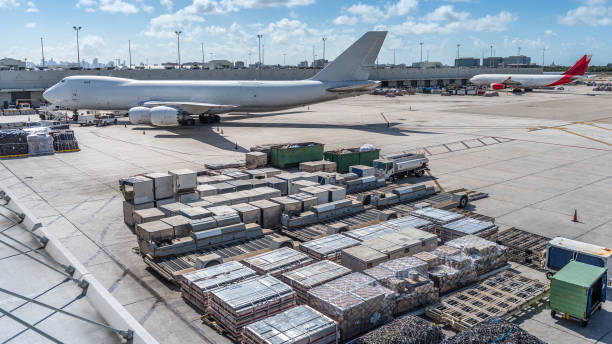
Scheduled air freight runs on fixed routes and predetermined timetables. Airlines consolidate cargo from multiple shippers and allocate space based on availability. While cost-effective for general freight, this model introduces limitations related to flexibility and control.
Shipments often move through hub airports, transferring between aircraft before reaching the final destination. Each transfer adds handling exposure and increases the potential for delay. During peak seasons, available capacity may also become restricted.
For many businesses, this structure works well until urgency, size, or value crosses a threshold where predictability becomes more important than price.
What Makes an Air Cargo Charter Different
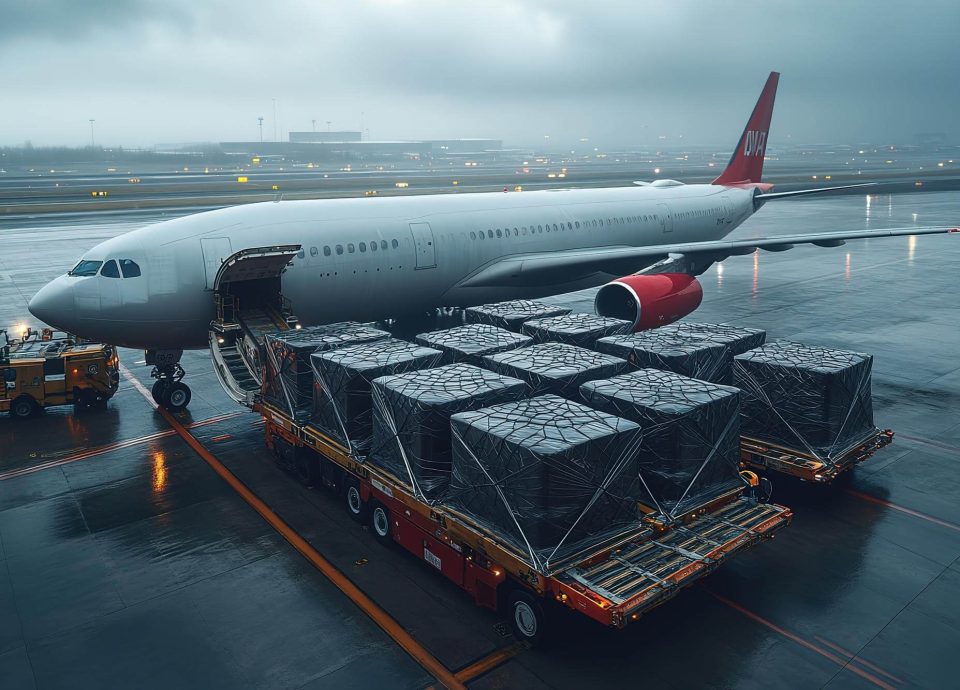
An air cargo charter provides exclusive use of an aircraft dedicated to a single shipment. Departure time, routing, aircraft type, and loading configuration are customised around the cargo rather than airline schedules.
Unlike commercial freight, a charter flight can depart when the shipment is ready and travel directly to the most suitable airport. This eliminates unnecessary transfers and reduces total transit time.
Providers such as Sprinter Emergency position charter logistics as a strategic tool designed to protect operational continuity when standard freight options fall short.
Key Scenarios Where an Air Cargo Charter Is the Better Choice
Time Critical and Urgent Charter Logistics Requirements
When delivery deadlines are measured in hours rather than days, reliance on commercial schedules may introduce unacceptable risk. Even the next available scheduled flight can involve layovers, customs delays, or missed connections.
Urgent charter logistics becomes essential when production lines face shutdown, aircraft await critical components, or contractual timelines carry significant penalties. A direct cargo charter flight removes dependency on fixed airline timetables and significantly shortens transit windows.
Oversized or Heavy Equipment That Cannot Fit Standard Aircraft
Mining machinery parts, aerospace assemblies, and industrial equipment frequently exceed the dimensional or weight restrictions of standard cargo aircraft. Scheduled services may reject shipments that cannot be containerized or loaded through conventional cargo doors.
An air charter freight solution allows selection of aircraft with appropriate payload capacity, reinforced flooring, and specialized loading access. This eliminates the need for cargo disassembly and reduces handling complexity.
High Value Shipments Requiring Dedicated Flight Freight
When the shipment value is substantial, risk tolerance narrows. Shared aircraft capacity increases handling frequency and exposure to misrouting or damage. Dedicated flight freight ensures exclusive aircraft use, controlled loading, and limited touchpoints throughout transit.
For industries moving proprietary components or regulated materials, minimizing transfer points enhances security and shipment integrity.
Remote Destinations With Limited Scheduled Service
Certain industrial operations are located in regions with limited commercial connectivity. Scheduled cargo may require multiple transfers followed by extended ground transport.
A cargo charter flight can operate directly to the closest suitable airport, reducing logistical layers and shortening overall transit time.
Industry Specific Triggers for a Cargo Charter Flight
Aerospace AOG and Critical Component Transport
Aircraft on ground situations demand immediate response. Every hour of delay impacts fleet schedules and revenue generation. Chartering a dedicated aircraft ensures rapid delivery of engines, avionics, or structural components without waiting for commercial space allocation.
This level of responsiveness protects operational continuity and regulatory compliance.
Mining Equipment and Remote Site Deliveries
Mining operations depend on continuous equipment performance. When essential parts fail, downtime can escalate quickly. Oversized components and remote locations further complicate logistics.
In such cases, air charter freight becomes a practical solution to restore operations without relying on limited scheduled connectivity.
Pharmaceutical and Temperature-Sensitive Cargo
Temperature sensitive cargo requires strict environmental control and minimal transit duration. Delays within commercial networks can compromise shipment integrity and regulatory compliance.
Emergency air charter freight supports tighter monitoring, faster delivery, and fewer handling stages, reducing exposure risk for sensitive materials.
Cost vs Value: When Paying for Air Charter Freight Makes Business Sense
A direct cost comparison between scheduled freight and charter services does not fully capture the financial implications of delay. The true evaluation requires assessing total operational impact.
Factor | Scheduled Air Freight | Air Cargo Charter |
Departure Time | Fixed airline schedule | Fully flexible |
Routing | Hub based, multi leg | Direct, customized |
Capacity | Shared with other shippers | Exclusive aircraft use |
Handling | Multiple transfers possible | Minimal handling |
Suitability for Oversized Cargo | Limited | High |
Urgency Response | Dependent on availability | Immediate mobilization |
Comparing Transit Time and Operational Risk
Scheduled networks may introduce variability due to congestion, weather, or capacity constraints. A charter reduces these variables by offering a single direct movement designed around shipment urgency.
Calculating Downtime Costs vs Charter Investment
For aerospace and mining operators, downtime costs can escalate rapidly. When operational loss per hour exceeds the cost of chartering an aircraft, the financial justification becomes clear. The evaluation must account for revenue exposure, contractual penalties, and production continuity.
Risk Mitigation Through Emergency Air Charter Freight
Emergency air charter freight functions as a risk mitigation strategy. By eliminating reliance on commercial timetables, companies regain control over departure timing and routing decisions.
Midway through supply chain planning, many organizations determine that securing air charter freight provides greater certainty than waiting for scheduled availability.
Operational Advantages of Dedicated Flight Freight
Flexible Departure Times and Routing
Charter flights operate according to cargo readiness. This allows immediate departures and optimized routing, particularly valuable during airline congestion or seasonal capacity shortages.
Full Aircraft Capacity and Cargo Control
Exclusive aircraft use enables precise loading configuration based on cargo specifications. Weight distribution, securing methods, and regulatory requirements are managed specifically for the shipment rather than adapted to shared space constraints.
Reduced Handling and Lower Damage Risk
Each cargo transfer introduces potential risk. Dedicated flight freight minimizes handoffs, reducing the likelihood of damage and misrouting.
Warning Signs That Scheduled Flights May Not Be Enough
Repeated transit delays, consistent cargo rejections due to size restrictions, or recurring space shortages during peak seasons indicate that shipment requirements may exceed scheduled network capabilities.
If these issues begin affecting operational performance, reassessing logistics strategy becomes necessary.
How to Assess If You Need an Air Cargo Charter
Evaluating Urgency, Size, and Destination Constraints
A practical assessment should examine delivery deadlines, cargo dimensions, payload weight, and destination accessibility. If any of these exceed commercial limitations, a charter solution may offer greater reliability.
Coordinating With an Experienced Urgent Charter Logistics Provider
Working with an experienced urgent charter logistics provider ensures appropriate aircraft selection, route feasibility evaluation, and regulatory compliance. Expert coordination reduces operational uncertainty and streamlines execution.
Sprinter’s Air Cargo Charter Capability for Critical Shipments
Global Network and Rapid Response Team
Sprinter maintains access to a diverse fleet network capable of accommodating a wide range of payload and route requirements. Rapid response coordination aligns aircraft mobilization with shipment urgency.
Experience in Emergency Air Charter Freight Operations
With extensive experience in emergency air charter freight operations, Sprinter supports aerospace, mining, and pharmaceutical sectors where precision and speed are critical.
End to End Coordination for Complex Air Charter Freight
From aircraft sourcing to ground handling and delivery coordination, Sprinter manages the full logistics chain to ensure operational control at every stage.
Conclusion
The decision to transition from scheduled air freight to an air cargo charter is defined by urgency, size constraints, shipment value, and operational risk tolerance. When commercial networks introduce uncertainty that could disrupt production, safety, or contractual performance, charter solutions provide the flexibility and control required to safeguard business continuity.
For high value, oversized, or time sensitive cargo, the threshold for charter is often determined by total operational impact rather than freight rate alone. A dedicated aircraft transforms logistics from a reactive function into a proactive risk management strategy.
If your shipment demands speed, precision, and full operational control, this is the right time to evaluate your options. Visit the contact page to connect with the charter specialists and determine whether an air cargo charter is the right solution for your critical shipment.
Frequently Asked Questions
What is the main difference between scheduled air freight and an air cargo charter?
Scheduled air freight operates on fixed airline routes with shared cargo capacity, while an air cargo charter provides exclusive use of an aircraft with customized departure times and routing based on shipment needs.
When should a company choose air charter freight over commercial cargo services?
Air charter freight is typically chosen when shipments are oversized, extremely urgent, high value, or destined for remote locations where scheduled services cannot meet timing or capacity requirements.
Is emergency air charter freight only for last minute shipments?
No. While emergency air charter freight is commonly used for urgent situations, it is also a strategic option for planned high risk shipments where reliability and speed are critical from the outset.
How quickly can a cargo charter flight be arranged?
Depending on aircraft availability and location, a cargo charter flight can often be mobilized within hours. Response time depends on cargo specifications, regulatory clearances, and airport access.
How do I know if the cost of an air cargo charter is justified?
The cost is justified when the financial impact of delay, operational downtime, or contractual penalties exceeds the investment in chartering a dedicated aircraft. A total risk and value assessment helps determine the right decision.