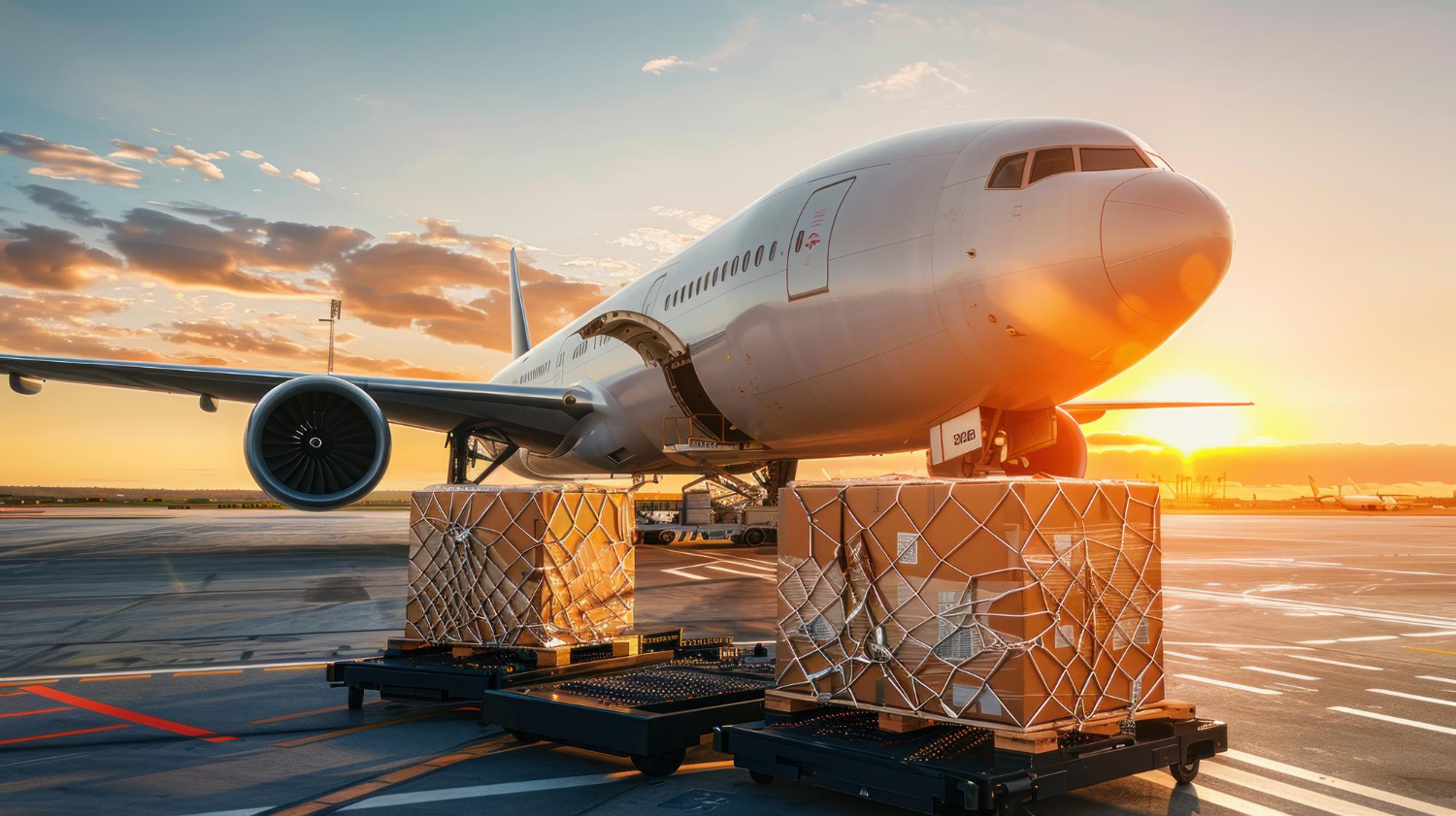
When a production line is down, an aircraft needs a replacement component, or a critical medical shipment must reach another city, waiting for a routine freight schedule may create unacceptable costs. Next flight out shipping is designed for these high-priority situations. It combines immediate collection, rapid airport coordination, placement on the earliest suitable scheduled flight, and closely managed delivery at the destination.
The service is fast, but it is not as simple as carrying a box to the passenger terminal. The freight must fit airline and aircraft limits, meet packaging and security requirements, clear acceptance cutoffs, and comply with dangerous-goods or customs rules when applicable. Flight capacity can also change. A reliable next flight out shipping plan therefore manages the full journey rather than promising speed based only on the time spent in the air.
Sprinter Emergency Transport Inc. coordinates urgent transportation for businesses that need speed, visibility, and practical contingency planning. This guide explains how next flight out shipping works, when scheduled priority air cargo is the right solution, what can affect timing, and how it differs from Air Charter, Ground Expedite, and Hand Carry services.
What Is Next Flight Out Shipping?
Next flight out shipping, often shortened to NFO, is a time-critical air freight service that seeks space on the earliest suitable scheduled commercial or cargo flight after the shipment is ready and accepted. The service normally includes urgent pickup, airport delivery, security screening or secure-chain processing, airline tender, flight movement, destination recovery, and final delivery. Its purpose is to reduce avoidable waiting between each stage of the shipment.
The word “next” does not mean that every item can board the next aircraft shown on a public schedule. The selected flight must serve a useful route, have available cargo capacity, accept the commodity and dimensions, and provide enough time for tender and security procedures. Connections, airport hours, weather, and destination recovery also matter. Responsible NFO air freight planning uses the earliest feasible flight that supports the complete delivery requirement.
Scheduled Air Freight Is Not an Air Charter
NFO uses space on scheduled flights, while Air Charter reserves a dedicated aircraft for a particular mission. Charter can provide greater control for oversized, exceptionally urgent, remote, or route-sensitive cargo, but it has a different cost and operating model. Readers evaluating dedicated aircraft can review our [air cargo charter guide](/air-cargo-charter-when-does-a-dedicated-aircraft-make-sense/). Keeping these services separate prevents a next flight out shipping request from being priced or planned like a charter when scheduled capacity can meet the deadline.
Door-to-Door Speed Matters More Than Flight Time
A one-hour flight does not create a one-hour delivery. Pickup travel, cargo preparation, screening, airline cutoffs, warehouse handling, connections, recovery, and final-mile distance all contribute to transit time. The provider should compare practical itineraries rather than choosing the earliest departure without considering arrival handling. A later nonstop flight may deliver sooner than an earlier connection. Effective next flight out shipping selects the itinerary that gives the freight the strongest door-to-door result.
When Next Flight Out Shipping Makes Business Sense
NFO is most valuable when the cost of waiting is greater than the premium for urgent air transportation. A small component may be inexpensive, yet its absence can stop a production line, delay an aircraft repair, cancel a field-service appointment, or prevent a clinical team from using essential equipment. In these cases, next flight out shipping protects a larger operational commitment instead of merely accelerating an ordinary parcel.
The service should be matched to a specific deadline and consequence. “As soon as possible” may mean today, before the next shift, or before a technician leaves the site. Shippers should explain the latest acceptable delivery time, what happens if it is missed, and whether sending a partial quantity would solve the immediate problem. This information helps the provider determine whether same day air freight Canada service, a direct ground vehicle, or another option offers better value.
Aerospace, Pharmaceutical, and Manufacturing Shipments
Aerospace operations may require an aircraft-on-ground part, calibrated tool, or approved component. Pharmaceutical and health-related supply chains may need validated packaging, temperature controls, documented custody, or special receiving procedures. Manufacturers may need sensors, controls, mould components, bearings, or electronic assemblies to restore production. Next flight out shipping can support these industries when the cargo is eligible for scheduled air movement and every handoff is coordinated. Commodity-specific handling and regulatory requirements must still be confirmed before acceptance.
How the Next Flight Out Shipping Process Works
The process begins with a precise shipment profile. The provider needs the pickup address, cargo-ready time, destination, delivery deadline, commodity, piece count, dimensions, weight, declared value, packaging, and regulatory status. Airport options and flight schedules can then be compared. If the cargo crosses a border, customs data and broker contacts must be prepared in parallel so the freight does not gain time in the air and lose it during clearance.
Once an itinerary is selected, pickup capacity is dispatched and the shipment moves to the appropriate cargo facility or approved screening point. The freight is tendered according to the airline’s cutoff and acceptance requirements. After departure, the provider monitors the flight and prepares destination recovery and final delivery. Next flight out shipping succeeds when these stages are treated as one coordinated movement, not as unrelated bookings.
Booking and Immediate Pickup
Accurate dimensions and weight are essential because aircraft doors, cargo compartments, unit load devices, and airline rules create physical limits. The provider should also confirm whether a dock, forklift, liftgate, special vehicle, or appointment is needed. When the freight is ready, labelled, and documented before the driver arrives, it has a better chance of meeting the planned cutoff. Delays at the shipper can cause next flight out shipping to miss one departure and move to a later itinerary.
Screening, Tender, and Airline Acceptance
Air cargo must satisfy applicable security controls before it can fly. Transport Canada explains that its Air Cargo Security Program supports cargo security throughout the journey and establishes participation requirements for businesses involved in screening, storing, or transporting secure air cargo. Screening and tender time should therefore be built into the NFO air freight schedule. Final acceptance remains subject to the airline’s operational, security, documentation, capacity, and commodity requirements.
Cargo Suitable for Next Flight Out Shipping
NFO commonly moves compact, high-value, time-sensitive freight that can travel within scheduled-airline limits. Examples include aircraft parts, industrial controls, medical equipment, laboratory supplies, prototypes, electronics, legal materials, repair kits, and selected automotive components. Larger freight may also move when the route, aircraft type, handling equipment, and capacity support it. Eligibility should be confirmed from measured cargo data rather than a visual estimate.
Not every urgent item is suitable for a scheduled flight. Extremely large pieces, unusually heavy cargo, commodities restricted by the airline, and items that cannot pass required screening may need another solution. Packaging must protect the product through road transport, airport handling, aircraft movement, and destination recovery. The fastest itinerary has little value if the freight is rejected at tender or arrives damaged because it was not prepared for priority air cargo handling.
Dimensions, Weight, and Packaging
Measure each piece at its widest, longest, and highest points after final packaging, including pallet overhang, handles, skids, and protective materials. Provide actual and dimensional weight when requested, lifting points for irregular freight, and photographs when they help determine handling. Crates and pallets should be secure, labels should remain visible, and sensitive equipment may require cushioning, orientation marks, shock protection, or environmental controls. Correct preparation protects the next flight out shipping timeline by reducing remeasurement, repacking, and acceptance problems.
Dangerous Goods and Restricted Cargo
Batteries, chemicals, compressed gases, biological materials, and other products may be regulated as dangerous goods. The shipper must identify the commodity accurately and use qualified personnel to address classification, packaging, marks, labels, documents, and quantity limits. Transport Canada’s guidance on transportation of dangerous goods on aircraft explains that Canadian requirements incorporate international air-transport instructions. Expedite status does not override these rules, and some dangerous goods may be forbidden or limited on particular passenger or cargo aircraft.
What Can Affect NFO Air Freight Speed?
Flight frequency is important, but several operational factors can affect the delivery result. Cargo cutoff times may be hours before departure, and airlines can close acceptance earlier when facilities are busy. Aircraft changes may reduce available cargo space. Connections add handling and increase exposure to missed transfers. Weather, maintenance, crew issues, congestion, and airport restrictions can disrupt the strongest initial plan. Next flight out shipping requires continuous monitoring because the itinerary can change after booking.
Origin and destination geography also matter. A shipment located far from a major airport may spend more time on the road than in the air. A smaller regional airport may offer a nearby departure but limited flight frequency or cargo services. The provider should compare alternate airports, nonstop and connecting options, pickup time, recovery hours, and final-mile distance. This analysis can reveal that a different gateway or Ground Expedite service will deliver sooner.
Cutoffs, Capacity, Connections, and Recovery Hours
A scheduled flight may appear available while cargo space is restricted by passenger baggage, aircraft payload, door size, or previously booked freight. The destination cargo facility may also close before recovery can be completed. Providers should confirm tender deadlines, realistic acceptance, connection time, and destination availability before committing to an itinerary. For next flight out shipping, the best flight is the one that supports pickup, acceptance, movement, recovery, and delivery without an avoidable gap.
Comparing Next Flight Out Shipping With Other Urgent Options
NFO is one of several urgent freight tools. A direct vehicle may be faster for regional lanes because it avoids airport processing. Hand Carry may suit a small approved item that benefits from continuous personal custody. Air Charter may provide dedicated aircraft capacity when scheduled service cannot handle the dimensions, route, timing, or operational risk. The correct choice depends on the shipment rather than a preference for one transportation mode.
A responsible provider should compare the complete timeline, number of transfers, cargo limits, security requirements, customs needs, handling risk, and cost of failure. The least expensive option may not protect the deadline, while the most premium option may add no useful time advantage. Next flight out shipping is appropriate when scheduled-airline service offers the best balance of speed, capacity, reliability, and price for the actual cargo.
Ground Expedite for Regional or Direct Lanes
Ground Expedite can outperform air service when the origin and destination are within a practical direct-driving range. A dedicated vehicle avoids airline cutoffs, cargo screening, flight schedules, and airport recovery while limiting transfers. Road conditions, driver-hour requirements, weather, and distance still affect timing. The provider should compare road and air on a door-to-door basis before recommending next flight out shipping simply because an airport is available.
Air Charter and Hand Carry Alternatives
Air Charter may fit oversized freight, remote destinations, closed scheduled routes, or consequences that justify a dedicated aircraft. Hand Carry may fit compact, high-value items permitted through passenger security and airline processes. Neither option bypasses customs, security, or dangerous-goods requirements. The decision should consider actual eligibility and timing. NFO air freight remains a strong middle option when scheduled capacity exists but routine air cargo service does not offer enough priority or coordination.
Understanding Next Flight Out Shipping Costs
Pricing reflects the complete movement rather than the airline segment alone. Charges may include urgent pickup, distance to the airport, chargeable weight, screening, handling, airline transportation, transfers, after-hours service, destination recovery, final delivery, waiting time, customs coordination, and specialized equipment. Dimensional weight can influence price even when the freight is physically light. Accurate measurements and commodity details support a more reliable quote.
Businesses should compare the quote with the cost of delay. Production downtime, grounded equipment, idle technicians, lost sales, missed clinical schedules, contractual penalties, and customer recovery can exceed the transportation premium. At the same time, next flight out shipping should not be selected when routine air or ground service can safely meet the requirement. The right decision balances speed, delivery confidence, cargo risk, and total business cost.
Information Needed for an Accurate Quote
The provider should receive exact addresses, ready time, deadline, piece count, dimensions, weight, commodity, value, packaging, dangerous-goods status, temperature requirements, and loading conditions. International shipments also need customs and broker information. If any detail is estimated, identify it clearly and confirm it before tender. A change in dimensions or commodity can affect the aircraft, screening method, airline acceptance, price, and planned next flight out shipping itinerary.
Preparing a Successful Next Flight Out Shipping Request
Preparation reduces the time between the first call and dispatch. Assign one person who can confirm shipment details, approve the quote, answer questions, and coordinate access. The freight should be packaged, labelled, measured, and ready for pickup. Documents should move to the provider while capacity is being reviewed. The consignee should know the expected timing and remain available for changes.
The request should also state the business requirement without exaggerating it. A clear deadline allows the provider to compare nonstop flights, connections, alternate airports, Ground Expedite, Air Charter, and Hand Carry. If only part of the shipment is immediately critical, separating those pieces may create a faster and more economical recovery. Next flight out shipping works best when the provider can solve the actual operational problem.
NFO Booking Checklist
Before confirming next flight out shipping, review the following information through one coordinated process. This checklist helps avoid repeated questions while available flight time is decreasing:
- Exact pickup and delivery addresses
- Cargo-ready time and latest acceptable delivery time
- Commodity, piece count, dimensions, and actual weight
- Packaging type, declared value, and handling requirements
- Dangerous-goods or restricted-item status
- Loading equipment and airport-access considerations
- Customs and broker information for international freight
- Authorized contacts at pickup, destination, and after hours
Why Choose Sprinter Emergency Transport Inc.
Sprinter Emergency Transport Inc. understands that urgent air freight often supports a production line, aircraft repair, technical team, health-related operation, or customer commitment. Our team evaluates pickup readiness, cargo eligibility, airport options, flight schedules, screening, recovery, and final delivery before coordinating the move. Customers can access [Air Freight](/services/air-freight/), Ground Expedite, Air Charter, and Hand Carry solutions according to the shipment and deadline.
Visibility and contingency planning are central to our approach. Sprinter Emergency Transport Inc. coordinates meaningful milestones and responds when flight schedules, capacity, weather, or handling conditions change. We do not treat the airline booking as the entire service. By managing the road, airport, flight, recovery, and delivery stages together, we help customers maintain control throughout next flight out shipping.
Book Your Next Flight Out Shipping Service
NFO can provide an effective balance between routine air freight and dedicated aircraft charter when urgent cargo fits scheduled-flight requirements. Success depends on more than booking the earliest departure. Accurate cargo information, suitable packaging, screening, airline acceptance, realistic connections, destination recovery, and active communication must support the same delivery plan.
When your shipment cannot wait, contact Sprinter Emergency Transport Inc. with the origin, destination, ready time, deadline, commodity, dimensions, weight, value, and handling requirements. Our team can compare priority air cargo with Ground Expedite, Air Charter, and Hand Carry alternatives. Book a next-flight-out shipment early enough to protect the strongest available itinerary.
Frequently Asked Questions
The answers below provide general guidance for businesses evaluating urgent scheduled air transportation. Every shipment should be reviewed individually because routes, cargo limits, available capacity, airline rules, screening, weather, customs, and dangerous-goods requirements can change the result.
No provider can responsibly guarantee that cargo will board a specific flight before airline acceptance is complete. A well-managed plan confirms eligibility, builds time for tender and screening, monitors the itinerary, and prepares alternatives if the original flight becomes unavailable.
1. What Is Next Flight Out Shipping?
Next flight out shipping is a priority service that seeks space on the earliest suitable scheduled flight after urgent cargo is ready and accepted. It usually includes pickup, airport handling, screening, flight movement, destination recovery, and final delivery. The selected flight must accept the cargo and support the required door-to-door timeline.
2. Is NFO Air Freight the Same as Air Charter?
No. NFO air freight uses available capacity on scheduled passenger or cargo flights. Air Charter reserves a dedicated aircraft for a specific shipment or mission. Charter may suit oversized, remote, or exceptionally critical cargo, while NFO can provide a more economical urgent option when scheduled capacity is suitable.
3. How Fast Is Next Flight Out Shipping?
Timing depends on pickup distance, cargo readiness, screening, airline cutoffs, capacity, route, connections, weather, recovery hours, customs, and final-mile delivery. Some domestic shipments may arrive the same day, while longer or connecting routes may require overnight movement. The provider should calculate the complete door-to-door schedule.
4. What Cargo Can Move Through Next Flight Out Shipping?
Common cargo includes aircraft parts, medical equipment, industrial components, electronics, prototypes, repair kits, legal materials, and approved automotive parts. Acceptance depends on dimensions, weight, packaging, value, security screening, airline policy, aircraft limits, and regulatory status. Restricted or oversized cargo may require another service.
5. Can Dangerous Goods Use Next Flight Out Shipping?
Some dangerous goods may be transported by air when properly classified, packaged, marked, labelled, documented, and accepted by the carrier. Other items may be restricted or forbidden on certain aircraft. Complete commodity information must be reviewed by qualified personnel before booking because urgency does not create an exemption.
6. How Much Does Next Flight Out Shipping Cost?
Cost depends on the route, chargeable weight, dimensions, pickup, screening, airline rate, transfers, recovery, final delivery, after-hours handling, customs, and special requirements. A useful comparison also includes the financial impact of a late delivery. Accurate shipment details produce a more dependable quote.
7. What Information Is Needed to Book Priority Air Cargo?
Provide pickup and delivery addresses, ready time, deadline, commodity, piece count, dimensions, weight, packaging, declared value, dangerous-goods status, temperature needs, loading method, and contacts. International freight also requires customs and broker details. Photographs can help evaluate irregular or specialized cargo.