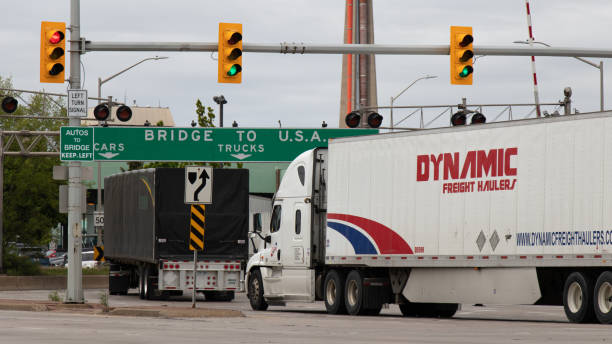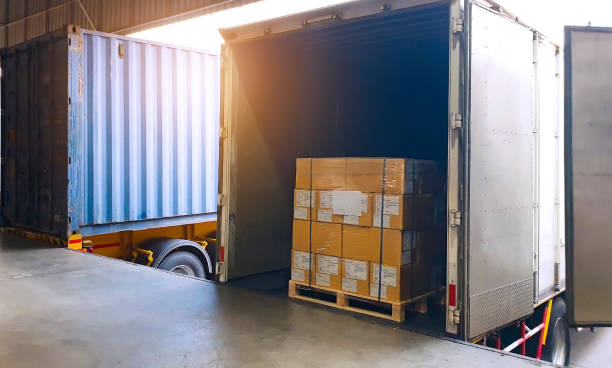
Automotive production and repair operations run on precise schedules. When a line-side component is missing, a machine fails, or an incorrect part arrives, the impact can spread quickly across assembly, labour, supplier appointments, and customer commitments. Emergency automotive parts shipping gives parts managers a way to move critical components faster and with greater control than a routine freight schedule can provide.
Speed alone, however, does not guarantee a successful delivery. The part must be identified correctly, packaged for the selected mode, matched with suitable capacity, and coordinated with receiving teams. Border documents, dangerous goods rules, plant security, loading equipment, and delivery instructions can all affect the timeline. A strong emergency automotive parts shipping plan treats these details as part of the shipment, not as tasks to resolve after dispatch.
Sprinter Emergency Transport Inc. supports manufacturers, suppliers, dealerships, maintenance teams, and parts managers with time-critical transportation coordination. This guide explains when emergency automotive parts shipping is appropriate, which transportation modes can be used, what information providers need, and how to reduce risk from pickup through final delivery.
Why Emergency Automotive Parts Shipping Matters
Automotive supply chains connect original equipment manufacturers, Tier 1 and Tier 2 suppliers, tool-and-die shops, warehouses, service centres, and distribution networks. A small sensor, connector, fastener, seal, or control module can become operationally critical if no substitute is available. Emergency automotive parts shipping helps shorten the time between identifying a shortage and placing the required item at the production line, repair bay, or staging area.
Urgent transportation should be evaluated against the consequences of waiting. A standard service may have a lower freight charge, but that saving can disappear if a delayed part causes idle employees, overtime, missed production targets, cancelled service appointments, or contractual penalties. Emergency automotive parts shipping allows managers to select a service level based on operational impact rather than freight price alone.
The Cost of a Missing Part
The value printed on an invoice may be much lower than the value of having the part at the correct location and time. A low-cost component can stop an expensive process when it is essential to the next assembly or repair step. Parts managers should estimate the cost of downtime, available inventory, recovery time, and customer impact before deciding how quickly the shipment must move.
When Parts Managers Need an Emergency Freight Solution
An emergency does not always begin with equipment failure. Inventory discrepancies, supplier delays, quality holds, forecasting errors, weather disruptions, customs issues, and incorrect deliveries can all create a sudden requirement. Emergency automotive parts shipping may also protect planned shutdowns and maintenance windows when a technician, tool, or replacement assembly is available for only a limited period.
The deadline should be specific and tied to the operation. “As soon as possible” is less useful than identifying the latest acceptable dock arrival, line-side requirement, or technician start time. This distinction helps the provider compare direct ground transportation, scheduled air service, charter capacity, and hand carry options. Emergency automotive parts shipping works best when the business objective is clear from the first call.
Common Automotive Freight Emergencies
Parts managers may need an expedited solution for many reasons. The following situations are common, but each shipment still requires an individual review of cargo, route, deadline, and site conditions:
- A production line is stopped because a component is unavailable
- A supplier discovers a shortage before a scheduled delivery
- Replacement tooling is needed during a maintenance shutdown
- A dealership requires a critical repair part for a customer vehicle
- Prototype components must reach an engineering or testing team
- A quality issue requires approved replacement inventory immediately
- A cross-border shipment missed its regular collection or connection
- A plant needs labels, packaging, or fasteners to release finished vehicles
Choosing the Right Transportation Mode
The best transportation option depends on distance, cargo size, ready time, required arrival, airport access, border readiness, and handling needs. A small component travelling several hundred kilometres may arrive fastest in a dedicated vehicle, while a shipment crossing the continent may benefit from a scheduled flight. Emergency automotive parts shipping should be planned around the complete door-to-door journey rather than highway or flight time alone.
The number of transfers also matters. Every terminal, aircraft connection, warehouse handoff, and final-mile exchange adds time and handling risk. Direct capacity can provide stronger control, while air transportation may overcome long distances. A reliable provider explains the planned milestones, known constraints, and backup choices before the freight begins moving.
Ground Expedite for Direct Plant-to-Plant Delivery
Ground Expedite is often effective for regional and cross-border automotive lanes. A dedicated car, cargo van, sprinter van, straight truck, or tractor-trailer can collect the freight and travel directly to the destination without waiting for a routine terminal schedule. For emergency automotive parts shipping, fewer transfers can improve visibility and reduce handling of fragile, high-value, or line-critical components.
Air Freight for Longer Distances
Air Freight may be suitable when distance makes direct driving too slow and scheduled flight capacity is available. The plan must include pickup, airline acceptance, screening, handling, flight time, recovery, customs when applicable, and final delivery. Emergency automotive parts shipping by air succeeds only when all of these stages fit the deadline, including airline cutoff and destination cargo-facility hours.
Air Charter for Dedicated Aircraft Capacity
Air Charter can support extremely urgent, oversized, high-impact, or route-sensitive shipments that do not fit a practical scheduled option. The aircraft, crew, airports, payload, loading method, permits, ground handling, and final-mile transportation must be coordinated as one movement. A charter provides dedicated capacity, but it does not remove weather, runway, customs, security, or regulatory limitations.
Hand Carry for Small Critical Components
Hand Carry can be considered for compact, approved items that benefit from continuous personal custody through a commercial airline journey. Examples may include sensors, electronic modules, documents, prototypes, or specialized repair components. Airline security, baggage limitations, customs requirements, and dangerous goods restrictions still apply, so the item must be reviewed before travel is booked.
Planning Emergency Automotive Parts Shipping Step by Step
The first step is to confirm what is actually needed. Part number, revision, quantity, dimensions, weight, packaging, value, regulatory status, pickup readiness, and delivery deadline should be verified rather than estimated. The provider also needs accurate addresses and contacts. If a crate requires a forklift or the plant accepts freight only through a specific gate, that information can change the equipment and timing.
After validation, the provider compares available modes and builds a realistic route. The shipper prepares the cargo and documents while capacity is secured. Once collected, the shipment should be monitored through meaningful milestones until proof of delivery is received. Emergency automotive parts shipping becomes more manageable when every party knows the plan, the next milestone, and who can authorize changes.
Information Required for an Accurate Quote
Provide the exact pickup and delivery locations, cargo-ready time, required arrival, commodity, piece count, dimensions, weight, packaging, declared value, and loading requirements. Also disclose batteries, airbags, fluids, chemicals, or other potentially regulated contents. Complete details allow the provider to select appropriate equipment and avoid losing time to a vehicle change, airline rejection, or documentation correction.
Pickup and Plant Delivery Coordination
Confirm the pickup contact, dock or door, operating hours, reference numbers, and loading equipment before dispatch. At the destination, provide the correct plant entrance, security procedure, receiving contact, dock, and line-side instructions when applicable. Emergency automotive parts shipping can lose valuable time if a driver reaches a large facility without the name, department, or gate needed for entry.
Tracking and Exception Management
Useful updates include driver assignment, arrival at pickup, freight loaded, departure, airport acceptance when applicable, border status, revised arrival time, delivery, and proof of delivery. If traffic, weather, a mechanical issue, or a flight disruption threatens the deadline, the provider should explain the impact and available response. Early information gives the parts manager time to adjust production or activate another recovery option.
Packaging, Dangerous Goods, and Cross-Border Compliance
Automotive components vary widely in size and sensitivity. Metal stampings may require protection from shifting and surface damage, while electronics may need cushioning, moisture control, or electrostatic protection. Engines, transmissions, tooling, windshields, painted components, and prototypes each present different handling concerns. Packaging used for emergency automotive parts shipping must support lifting, securement, transfers, and the conditions expected during transportation.
Some automotive freight may be regulated because it contains batteries, fuel residue, compressed gas, chemicals, airbags, or other hazardous materials. Urgency does not create an exemption. The shipper must provide accurate information so qualified parties can determine classification, packaging, marks, labels, documents, and mode restrictions. Cross-border freight also needs consistent commercial invoices, origin information, tariff classifications, values, broker instructions, and permits when applicable.
Protecting High-Value and Sensitive Parts
Use packaging that prevents movement inside the container and allows the freight to be handled safely. Confirm lifting points, centre of gravity, stackability, orientation, and whether the part can be exposed to moisture, vibration, temperature changes, or static electricity. Photos taken before closing the package can document condition and packing method, while exterior labels should match the transportation record.
Batteries and Other Regulated Components
Transport Canada explains that some batteries are dangerous goods because they can create fire, corrosive, or environmental hazards. Its guidance on shipping and importing lithium batteries and battery-powered devices outlines classification, documentation, labelling, packaging, and training responsibilities. For emergency automotive parts shipping, batteries and regulated components must be disclosed before the carrier or airline accepts the load.
Customs Preparation for Cross-Border Parts
Cross-border shipments should be reviewed by the importer, exporter, and customs broker before departure. The CBSA Guide to Importing Commercial Goods into Canada explains importer setup, tariff classification, valuation, origin, shipping, release, accounting, and compliance. Emergency automotive parts shipping cannot remain fast if the vehicle or flight reaches the border with vague descriptions, unsupported origin claims, missing permits, or an unprepared importer.
Controlling Cost and Operational Risk
Expedited freight normally costs more than standard service because it may require immediate dispatch, exclusive capacity, after-hours coordination, direct routing, or premium aircraft space. Pricing can also reflect distance, vehicle or aircraft type, dimensional weight, fuel, tolls, airport handling, waiting time, dangerous goods requirements, and remote delivery. The quote should clearly identify what is included and which conditions could create additional charges.
The cheapest quote is not automatically the lowest-cost decision. A service that misses the required arrival may increase downtime, overtime, rescheduling, and customer penalties. At the same time, premium capacity should match the actual need. Emergency automotive parts shipping decisions should compare delivery confidence, handling risk, communication, freight cost, and the financial effect of failure.
Compare the Total Cost of Delay
Estimate how long current inventory will support production, when the shortage will affect the line, and how quickly operations can restart after delivery. Include labour, lost output, premium shifts, supplier consequences, and downstream disruption. This calculation helps determine whether a dedicated van, scheduled flight, or charter is proportionate to the risk.
Avoid Common Booking Mistakes
Common mistakes include using estimated dimensions, understating weight, providing a vague commodity description, booking before the part is ready, overlooking regulated contents, and failing to confirm plant access. Parts managers should also avoid selecting air service based only on flight duration. Airport cutoffs, screening, transfers, recovery, customs, and final delivery can determine whether emergency automotive parts shipping meets the real deadline.
Why Choose Sprinter Emergency Transport Inc.
Sprinter Emergency Transport Inc. understands that automotive freight often protects a production target, repair commitment, or supplier relationship. Our team reviews the part, route, ready time, deadline, loading needs, regulatory status, and receiving requirements before recommending a service. Ground Expedite, Air Freight, Air Charter, and Hand Carry options allow the plan to reflect the shipment rather than forcing every request into one transportation model.
Communication remains active from booking through delivery. Sprinter Emergency Transport Inc. coordinates transportation milestones, border or airport considerations, destination access, and proof of delivery while helping customers respond to exceptions. This practical approach gives parts managers clearer visibility and control when emergency automotive parts shipping is supporting a time-sensitive operation.
Keep Automotive Operations Moving
Emergency freight works best when speed is supported by accurate information, suitable capacity, secure packaging, regulatory preparation, and clear receiving instructions. Parts managers who define the true deadline and share complete cargo details give transportation providers more opportunity to build a reliable plan. Emergency automotive parts shipping can then protect production, maintenance, testing, or customer service without introducing avoidable handling and compliance problems.
When a critical component cannot wait for a routine freight schedule, contact Sprinter Emergency Transport Inc. with the part details, pickup location, destination, dimensions, weight, ready time, deadline, and regulatory status. Our team can compare Ground Expedite, Air Freight, Air Charter, and Hand Carry solutions and coordinate emergency automotive parts shipping from pickup through final delivery.
Frequently Asked Questions
Automotive freight requirements vary according to the part, route, urgency, size, packaging, and regulatory status. The following answers provide a practical starting point for planning emergency automotive parts shipping, but each shipment should be reviewed individually before capacity is confirmed.
Parts managers can speed up booking by preparing exact cargo data, contacts, documentation, and the latest acceptable arrival time. Complete information helps the provider identify a realistic solution without losing time to preventable corrections.
1. What Is Emergency Automotive Parts Shipping?
Emergency automotive parts shipping is priority transportation for components, tooling, equipment, prototypes, and supplies that cannot wait for a routine freight schedule. It may use a dedicated ground vehicle, scheduled air service, charter aircraft, or hand carry solution according to the cargo and deadline.
2. How Quickly Can an Emergency Automotive Shipment Be Collected?
Pickup timing depends on the location, cargo readiness, required equipment, driver or flight availability, weather, traffic, and documentation. Emergency automotive parts shipping can often be arranged rapidly when the shipper provides exact details and makes the freight accessible for loading.
3. Which Automotive Parts Can Move Through an Expedited Service?
Common shipments include sensors, modules, fasteners, stampings, tooling, glass, engines, transmissions, prototypes, and repair components. Acceptance for emergency automotive parts shipping depends on size, weight, packaging, value, dangerous goods status, carrier rules, and available equipment.
4. Is Ground or Air Better for Emergency Automotive Parts Shipping?
Ground transportation often provides the fastest result for regional lanes because it offers direct delivery with fewer transfers. Air service may save time over long distances when flights and final-mile capacity align. The best emergency automotive parts shipping option is determined by the full door-to-door schedule.
5. Can Batteries and Airbags Be Shipped Urgently?
Possibly, but batteries, airbags, and related devices may be regulated as dangerous goods and may face carrier or aircraft restrictions. The shipper must disclose the complete product information. Emergency automotive parts shipping does not remove classification, packaging, documentation, labelling, or training requirements.
6. How Much Does Emergency Automotive Parts Shipping Cost?
Cost depends on distance, urgency, vehicle or aircraft, dimensions, weight, fuel, handling, waiting time, airport charges, regulatory needs, and destination access. A useful comparison includes the freight price and the business cost that emergency automotive parts shipping is intended to prevent.
7. What Information Should a Parts Manager Provide When Booking?
Provide pickup and delivery addresses, cargo-ready time, deadline, commodity, part number, piece count, dimensions, weight, packaging, value, loading method, dangerous goods status, and reliable contacts. Cross-border emergency automotive parts shipping also requires importer, broker, customs, origin, and commercial invoice information.