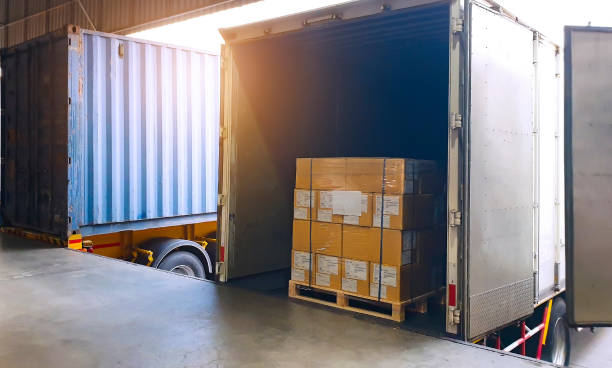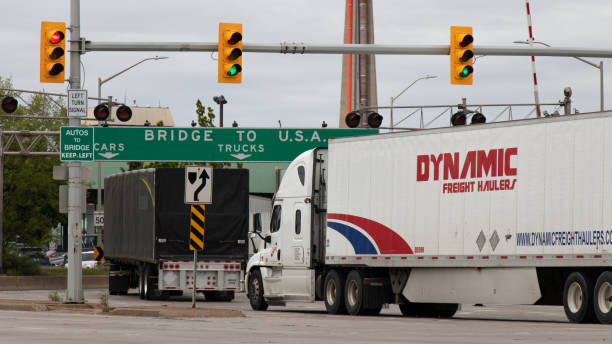
Cross Border Freight Shipping involves more than moving goods from a Canadian location to a destination in the United States. Businesses need to consider documentation, customs requirements, cargo details, transportation methods, delivery timelines, and communication between everyone involved in the shipment. A problem with one part of the process can affect the rest of the delivery, particularly when freight is time sensitive or requires special handling. Understanding the process in advance can help Canadian businesses prepare shipments more effectively and avoid preventable delays.
For businesses arranging regular deliveries into the United States, cross border freight shipping should be planned around the actual requirements of each shipment. The type of goods, shipment size, destination, delivery deadline, and transportation method can all affect how the freight should be handled. Businesses should also establish who is responsible for documentation, customs coordination, pickup arrangements, and final delivery before the shipment begins. A clear process gives everyone involved the information they need and makes it easier to respond if circumstances change during transit.
Understanding Cross Border Freight Shipping
Cross border freight shipping refers to the transportation of commercial goods between Canada and the United States. Although the two countries have well-established trade connections, international freight still requires businesses to meet applicable customs and transportation requirements. The process involves more than arranging a truck or aircraft because shipment information must be prepared accurately and made available for border processing.
What Makes Cross Border Shipping Different?
Cross border shipping requires coordination between transportation and customs processes. A domestic shipment normally moves within one country’s regulatory framework, while a Canada to USA delivery crosses an international border and involves additional requirements. Information about the goods, value, origin, quantity, sender, and receiver may be required as part of the shipment documentation. If information is incomplete or inconsistent, additional questions may arise before the shipment can continue.
Businesses should therefore treat customs preparation as part of transportation planning rather than something to address at the last moment. Cargo descriptions should be clear, shipment values should be accurate, and the relevant documentation should be reviewed before pickup. This is particularly important for businesses handling recurring freight because a small documentation issue repeated across multiple shipments can create ongoing delays and administrative work.
Planning the Shipment Before Pickup
Good planning begins before the freight is collected. The shipper should confirm the pickup location, delivery address, consignee details, cargo description, dimensions, weight, number of pieces, packaging, and required delivery date. It is also useful to identify the people responsible for responding to questions about the shipment. This creates a clear communication process if customs, transportation teams, or the receiving location needs additional information.
The delivery deadline should also be established at the beginning of the process. A shipment with a flexible delivery window may be suitable for standard ground transportation, while freight connected to production schedules, replacement parts, customer commitments, or operational deadlines may require a faster service. Choosing transportation based only on price can overlook the potential impact of a missed delivery, so businesses should consider the complete delivery requirement before selecting a service.
Preparing Documentation for Canada USA Freight
Documentation plays an important role in the movement of commercial freight across the Canada USA border. Customs authorities need information that identifies the goods and explains the transaction. The specific requirements can vary depending on the cargo and shipment circumstances, so businesses should confirm what documentation applies before the freight is dispatched.
Reviewing Commercial Shipment Documents
A commercial invoice is commonly used to provide important information about the shipment and transaction. Depending on the shipment, this can include the seller and buyer information, description of the goods, quantities, values, country of origin, and other relevant details. The information should be consistent across the shipment paperwork so that the cargo can be identified correctly during the import process.
Businesses should also check physical shipment details before pickup. Weight, dimensions, number of packages, and product descriptions should match the information provided to the transportation provider. If the freight is larger or heavier than originally declared, the transportation arrangement may need to change. A documentation review before pickup gives the shipping team an opportunity to identify these issues before they affect the movement of the cargo.
Understanding Customs Information
Customs requirements should be considered as part of the overall shipping plan. Businesses need to provide accurate information about what they are sending and where the goods originated. Product classification and country of origin can be relevant to customs processing, while additional requirements may apply to certain categories of goods. The exact process depends on the shipment, so businesses should ensure they understand the requirements that apply to their particular cargo.
For companies that regularly move goods between Canada and the United States, creating a standard documentation checklist can make preparation more consistent. The checklist can include the commercial invoice, cargo description, value, origin, quantities, weight, dimensions, and other information required for the shipment. Reviewing these details before pickup can reduce the risk of missing information and make the process easier for employees who handle multiple shipments.
Selecting the Right Transportation Method
There is no single transportation method that suits every cross border shipment. The appropriate option depends on the cargo, destination, delivery deadline, size, handling requirements, and urgency. Ground transportation can be suitable for many routine shipments, while expedited ground, air freight, or charter services may be considered when a shipment needs to move within a tighter timeframe.
Ground Transportation for Routine Freight
Ground transportation is widely used for Canada to USA freight because road networks connect many Canadian and American commercial locations. It can be appropriate for shipments that have enough transit time for road transportation and do not require dedicated air capacity. Businesses can also plan recurring ground shipments around established pickup and delivery schedules.
For shipments where the delivery window is tighter than standard ground transportation can support, ground shipping canada can be considered as part of an expedited transportation plan. The important step is to communicate the actual delivery requirement before booking the shipment. This allows the transportation plan to be based on the required timeline rather than simply selecting a standard service and trying to accelerate it later.
Air Freight for Time Sensitive Cargo
Air freight can be considered when the shipment needs to reach its destination faster than conventional ground transportation allows. This may apply to urgent replacement parts, critical components, equipment, or other goods connected to an operational deadline. Air transportation can reduce transit time, although businesses should still account for pickup, airport handling, customs processing, and final delivery.
When evaluating air canada cargo shipping options, businesses should provide accurate information about the cargo size, weight, destination, urgency, and handling requirements. These details help determine what type of air transportation is appropriate. Not every urgent shipment requires a charter, and the right solution depends on the shipment’s individual requirements.
Managing Urgent Cross Border Freight
Some shipments cannot follow a standard transportation schedule. A production facility may need a replacement component, a customer may be waiting for a critical order, or a project may depend on equipment arriving by a specific date. In these situations, every stage of the transportation process needs to be considered because delays can occur during pickup, border processing, transportation, or final delivery.
Planning Expedited Freight Shipments
Urgent freight requires more attention to timing than routine transportation. Pickup arrangements, documentation, customs information, transportation, and final delivery should be coordinated around the required delivery window. Providing incomplete information at the beginning can create delays later, particularly when the transportation provider needs additional details to arrange the shipment.
Businesses considering air freight logistics should communicate the shipment deadline and cargo requirements clearly. Information such as the number of pieces, dimensions, weight, pickup location, destination, and required delivery time can help determine the appropriate transportation approach. Planning these details early can make it easier to organize an urgent shipment around its actual requirements.
When Cargo Charter May Be Considered
A cargo charter can provide dedicated air transportation for shipments that require a specialized solution. It may be considered for large, unusual, urgent, or specialized cargo where standard transportation options do not provide the required combination of capacity, routing, or scheduling flexibility. Charter transportation requires detailed planning because the aircraft and logistics arrangements need to be coordinated around the shipment.
Businesses exploring a cargo charter flight should first establish why a charter is required and what the shipment demands. Cargo dimensions, weight, destination, loading requirements, timing, and handling considerations can all affect the planning process. Understanding these factors early helps create a more organized transportation plan for large or urgent freight.
Creating a Repeatable Cross-Border Shipping Process
Businesses that regularly ship freight from Canada to the United States can benefit from creating a repeatable process. Instead of starting from scratch for every shipment, teams can establish standard checks for cargo information, documentation, pickup arrangements, customs requirements, transportation selection, and delivery confirmation. A consistent process makes it easier to identify missing information before freight leaves the facility.
Building a Shipment Checklist
A shipment checklist can give employees a practical way to review important details before dispatch. It should be straightforward enough to use for regular shipments while still covering the information that can affect customs processing and transportation planning.
A useful checklist can include:
Confirm cargo details: Check the product description, quantity, dimensions, weight, packaging, and number of pieces.
Review documentation: Make sure the required commercial and customs information is complete and consistent.
Confirm pickup and delivery details: Verify addresses, contact information, operating hours, appointments, and deadlines.
Select transportation: Match ground, expedited, air freight, or charter transportation to the shipment requirements.
Confirm communication: Ensure the shipping team, transportation provider, customs representatives, and receiving party know the shipment details.
Reviewing Shipments After Delivery
The shipping process should not end when the freight reaches its destination. Reviewing completed shipments can help businesses identify documentation problems, unexpected delays, communication gaps, or transportation issues that could be avoided in the future. This is particularly useful for companies that manage frequent cross border deliveries and want to make their internal process more consistent.
Businesses can also review client testimonials to see examples of shipment situations and service experiences shared by customers. These experiences can provide additional context about the types of freight requirements businesses may encounter. The practical goal is to identify useful lessons and apply them when planning future shipments rather than treating every delivery as an isolated event.
Final Considerations for Canada to USA Deliveries
Cross border freight shipping should be approached as a complete process rather than simply a transportation booking. Documentation, customs information, cargo preparation, pickup scheduling, transportation selection, and final delivery all contribute to how smoothly a shipment moves. Businesses that establish these requirements before pickup have a clearer framework for managing the shipment and responding to unexpected questions.
Transportation should also be selected according to the shipment’s actual needs. Standard ground transportation may work for routine freight, while expedited ground, air freight, or charter transportation may be considered for shipments with tighter deadlines or specialized requirements. Understanding the difference between these options helps businesses plan around delivery requirements instead of choosing a service without considering the full shipment.
Conclusion
Cross Border Freight Shipping requires careful coordination because Canada to USA deliveries involve transportation, documentation, customs, and delivery considerations. Canadian businesses can prepare more effectively by confirming cargo information, reviewing documentation, establishing delivery requirements, and selecting transportation according to the shipment’s urgency and characteristics.
A consistent process can make future shipments easier to manage. Businesses can use checklists, clear communication procedures, and shipment reviews to identify potential problems before freight moves. Whether the cargo travels by ground, expedited transportation, air freight, or charter, early planning provides a clearer foundation for managing the delivery from pickup through final destination.
For businesses that need to discuss a specific shipment, delivery requirement, or transportation option, contact us to discuss the requirements and determine what type of freight solution may be suitable.
FAQs
What is cross border freight shipping?
Cross border freight shipping is the transportation of commercial goods between Canada and the United States, including the required customs and documentation processes.
What documents are needed for Canada to USA freight?
Documentation can vary by shipment, but commercial invoices and accurate cargo information are commonly required. Businesses should confirm the specific requirements for their goods.
Is ground transportation suitable for cross border freight?
Yes. Ground transportation can be suitable for many routine Canada to USA shipments when the delivery timeline allows road transit.
When should businesses consider air freight?
Air freight may be considered when a shipment has a tighter delivery deadline than conventional ground transportation can reasonably support.
When is a cargo charter useful?
A cargo charter may be considered for urgent, large, unusual, or specialized shipments that require dedicated air transportation capacity or scheduling flexibility.