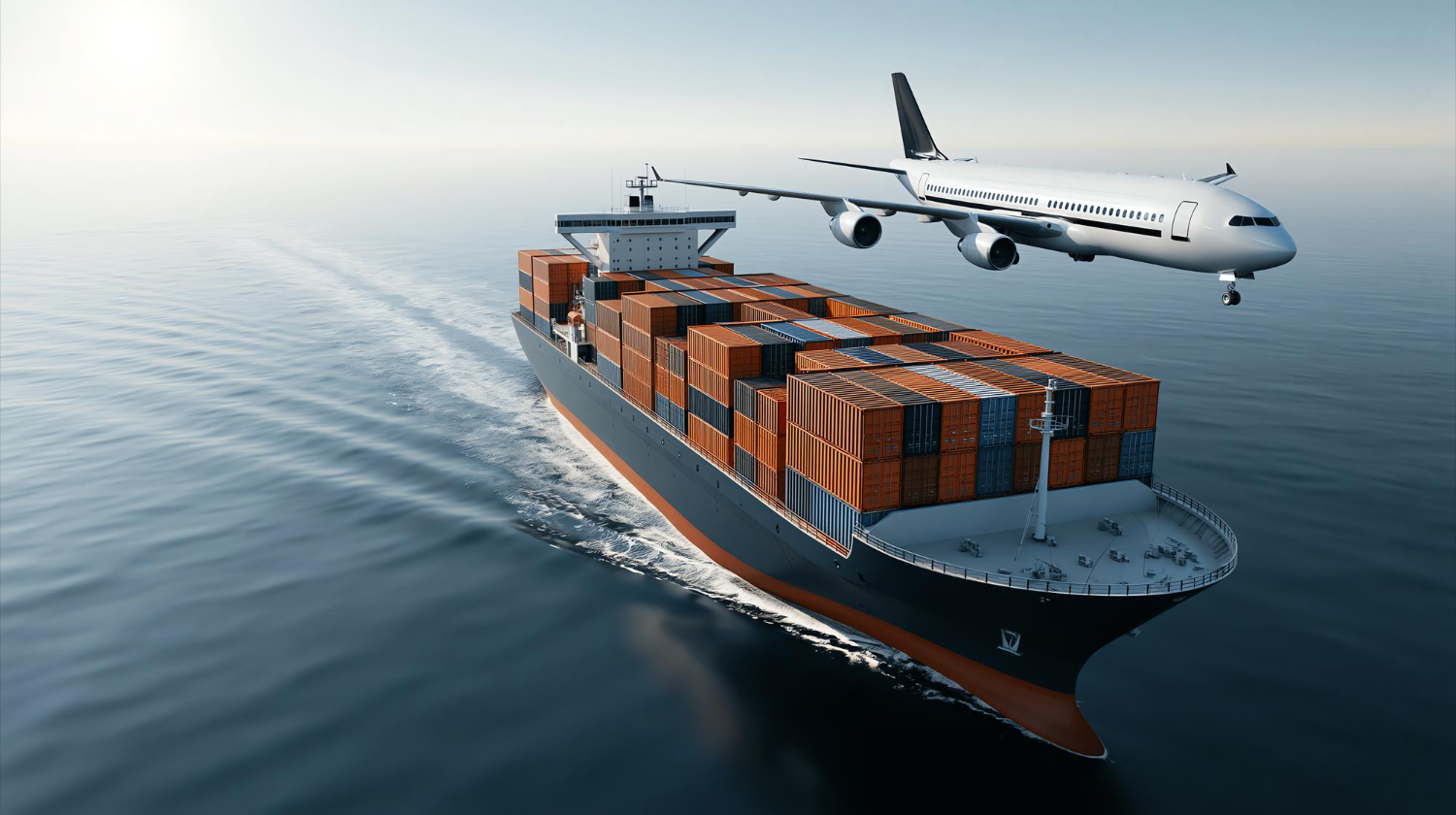
Yes, Air Canada transports freight through Air Canada Cargo. Its network combines passenger aircraft space, freighter capacity, cargo facilities, and trucking connections for domestic, transborder, and international service. Booking freight differs from buying a passenger ticket, and scheduled cargo is not the same as air charter shipping.
That distinction matters when a shipment is urgent, oversized, unusually valuable, or tied to a production deadline. Scheduled air cargo may provide the right balance of speed and cost when suitable space and routing are available. Air charter shipping may be more appropriate when a business needs dedicated capacity, greater schedule control, special loading arrangements, or service to a location that does not fit a practical scheduled route.
Sprinter Emergency Transport Inc. helps businesses compare these choices and coordinate time-critical freight from pickup through delivery. This guide explains how Air Canada Cargo works, how scheduled service differs from a charter, which requirements matter, and when to consider other urgent transportation services.
Does Air Canada Do Freight Through Air Canada Cargo?
Air Canada handles commercial freight through Air Canada Cargo. The cargo business uses Air Canada’s passenger network, freighter operations, cargo facilities, and road connections to serve many markets. Freight can include commercial goods, machinery parts, electronics, temperature-sensitive products, approved dangerous goods, live animals, and valuables that meet the carrier’s rules. Availability depends on the route, aircraft, schedule, cargo profile, packaging, documents, and regulatory status.
Customers should not assume that every passenger flight can accept every type of freight. Aircraft cargo holds have door-size, contour, floor-loading, weight, and temperature limitations. Space can also change according to passenger baggage, operational requirements, season, and route demand. A logistics provider may compare scheduled capacity with air charter shipping when a shipment cannot fit the available aircraft, cannot wait for the next suitable departure, or needs a more controlled route.
How Air Canada Cargo Moves Freight
Air Canada Cargo can move freight in the lower deck of eligible passenger aircraft and through dedicated freighter services on selected routes. Trucking connections may extend the network between airports and cargo markets, while local pickup and delivery complete the door-to-door journey. This multimodal structure gives businesses access to many destinations, but each transfer and cutoff must be included in the delivery plan. For extremely urgent freight, air charter shipping may reduce dependence on fixed schedules and shared capacity.
Scheduled Air Cargo and Air Charter Shipping Are Different
Scheduled cargo uses space on a planned flight. The shipment must meet the carrier’s deadline, aircraft limits, routing options, and available capacity. It may travel on a passenger aircraft or freighter. This model can be economical, but the shipper shares capacity and works within the airline’s timetable. Connections, handling, and final delivery must be included in the total transit time.
Air charter shipping reserves an aircraft, or a defined charter solution, around the needs of a specific shipment. The aircraft type, departure plan, route, loading method, airport suitability, permits, crew duty limits, and ground handling must all be coordinated. A charter can offer more control, but it does not remove weather, airport, customs, security, safety, or regulatory constraints. It is a specialized service chosen when the business impact of delay justifies dedicated capacity.
When Scheduled Air Freight Makes Sense
Scheduled service is often suitable when the cargo fits standard aircraft and handling limits, space is available, the route has a practical connection, and the deadline allows time for acceptance and recovery at the destination. It may work well for cartons, pallets, replacement parts, electronics, approved perishables, and routine international freight. Before booking, a provider should compare the advertised flight time with the true door-to-door schedule, including pickup, screening, terminal processing, transfers, customs, and delivery.
When a Dedicated Charter Is the Better Fit
Air charter shipping may be considered when a production line is stopped, an aircraft-on-ground part is urgently needed, medical or relief supplies must move quickly, or oversized equipment cannot fit a scheduled option. It can also support remote projects, critical oil and gas operations, time-sensitive automotive freight, and high-value industrial components. A charter decision should be based on operational need, cargo suitability, airport access, and total risk rather than speed alone.
Charter Does Not Mean Unlimited Acceptance
A dedicated aircraft still has payload, door, floor-loading, balance, runway, range, and safety limitations. Dangerous goods rules, export controls, customs requirements, and airport operating restrictions continue to apply. Air charter shipping provides flexibility, but a qualified team must validate the complete movement before promising a departure or arrival time.
What Freight Can Air Canada Cargo Transport?
Air Canada Cargo accepts many freight categories, subject to current rules and route capabilities. General cargo may include consumer products, industrial components, documents, machinery, medical devices, and business supplies. Specialized services may support particular handling, security, temperature, or animal-care needs. Acceptance is shipment-specific, so the shipper should always obtain confirmation.
Some items face additional restrictions or may not be accepted on a particular aircraft. Large crates may fit a freighter but not a passenger aircraft. Batteries, chemicals, gases, infectious substances, and other regulated commodities may require dangerous goods classification, approved packaging, marks, labels, declarations, and trained personnel. If scheduled capacity is unsuitable, air charter shipping can be evaluated, but chartering an aircraft does not permit undeclared or improperly prepared goods.
Information Needed Before Requesting a Quote
Accurate data allows a provider to check routing, equipment, handling, and compliance without wasting critical time. Before requesting scheduled cargo or air charter shipping, prepare the following details:
- Complete pickup and delivery addresses
- Cargo-ready time and required delivery time
- Commodity description and intended use
- Number of pieces and packaging type
- Exact dimensions and weight of every piece
- Declared value and insurance requirements
- Dangerous goods status, if applicable
- Loading, unloading, and temperature needs
- Customs, shipper, consignee, and emergency contacts
How the Air Freight Process Works From Pickup to Delivery
The process begins with a shipment review. The logistics provider confirms the cargo profile, service deadline, origin, destination, documents, and regulatory status. It then checks appropriate flights, freighter capacity, or air charter shipping alternatives. The quote should identify the planned routing and clarify which services are included, such as pickup, airport handling, screening, airline transportation, customs coordination, destination recovery, and final-mile delivery.
After booking, the cargo must be packaged, labelled, and ready at the agreed time. A vehicle collects it and delivers it to the cargo facility, where it may be verified, screened, weighed, measured, and accepted. After the flight, destination staff recover the shipment and release it to the authorized party or final-mile carrier. Customs clearance is required for international movements, and delays can occur if commercial information is incomplete or inconsistent.
Pickup, Screening, and Airline Acceptance
Air cargo cannot simply arrive moments before departure. Airline cutoffs allow time for documentation, security controls, build-up, and aircraft loading. Transport Canada’s Air Cargo Security Program is designed to help keep cargo secure throughout its journey and applies standards to approved businesses involved in screening, storing, or transporting secure air cargo. A realistic air charter shipping plan must also allow time for required security and acceptance processes.
Flight Monitoring and Final-Mile Delivery
Useful tracking covers more than the aircraft’s position. Customers need confirmation of pickup, cargo acceptance, departure, connection status, arrival, customs release when applicable, recovery, and proof of delivery. Sprinter Emergency Transport Inc. coordinates these stages as one movement. This helps the customer understand whether the shipment is physically moving, waiting for a process, or at risk of missing the required delivery window.
Security, Dangerous Goods, and Customs Requirements
Air cargo is governed by security, safety, carrier, airport, and customs requirements. Packaging must protect the goods through handling, screening, flight, transfer, and delivery. Labels and documents must match. International cargo may require an invoice, packing list, tariff classification, origin, customs value, party details, permits, and broker instructions.
Urgency never cancels compliance. Transport Canada explains that dangerous goods transported by aircraft are subject to federal transportation law and air-specific requirements based on international technical instructions. Its official guidance on transportation of dangerous goods on aircraft is a useful educational starting point. Businesses should obtain qualified advice for the actual product, quantity, packaging, mode, and route before arranging air charter shipping or scheduled service.
Dangerous Goods Must Be Declared Correctly
The shipper is responsible for providing accurate commodity information and meeting applicable obligations. Batteries, aerosols, fuels, chemicals, compressed gases, dry ice, and many other products can be regulated under certain conditions. Classification affects packaging, marks, labels, documentation, quantity limits, aircraft eligibility, and staff training. Concealing or incorrectly describing a regulated item can create serious safety consequences and may cause rejection, penalties, or delay.
Cross-Border and International Documentation
For international freight, transportation and customs planning should happen together. The shipper should confirm the importer of record, customs broker, product description, tariff code, origin, value, and permit requirements before departure. Air charter shipping may shorten flight time, but it cannot accelerate a release when essential data is missing. Clear responsibility and early document review help protect the delivery schedule.
When Should a Business Consider Air Charter Shipping?
A charter is most valuable when the shipment supports an operation whose delay would cost substantially more than dedicated transportation. Examples include emergency replacement parts, automotive production materials, mining and energy equipment, medical supplies, critical tooling, aerospace components, and project cargo. The decision should compare the charter cost with downtime, penalties, idle labour, cancelled work, lost sales, or damage to an important customer relationship.
Businesses should also consider the full door-to-door route. If the pickup is hours from a suitable airport or the destination lacks appropriate ground handling, another solution may arrive sooner. In some cases, Ground Expedite provides direct delivery with fewer transfers. In others, a Hand Carry Courier may be appropriate for a small approved item. Air charter shipping is strongest when dedicated aircraft capacity solves the actual bottleneck.
Cost Factors for Scheduled Cargo and Charter Service
Scheduled air freight pricing commonly reflects chargeable weight, which compares actual weight with occupied space. Rates may also include pickup, screening, handling, airline charges, surcharges, customs support, storage, and delivery. Oversized pieces, dangerous goods, temperature control, high value, and remote locations can add cost. The cheapest airport rate may not produce the cheapest complete solution.
Air charter shipping is priced around the aircraft and mission. Important factors include aircraft type, positioning distance, route, payload, fuel, crew, permits, landing and handling fees, airport hours, ground equipment, waiting time, and return positioning. A short flight can still be expensive if the suitable aircraft must travel a long distance to collect the cargo. An accurate quote therefore depends on complete cargo and timing information.
Compare Total Business Cost, Not Only Freight Rates
The right comparison includes the consequences of delay. If a scheduled service saves transportation expense but misses a production restart, the total business cost may be much higher. Conversely, air charter shipping may be unnecessary when a direct vehicle or confirmed scheduled flight can safely meet the deadline. Sprinter Emergency Transport Inc. evaluates the operational objective so the recommended service reflects urgency, risk, and value.
Why Choose Sprinter Emergency Transport Inc.
Sprinter Emergency Transport Inc. understands that urgent freight requires more than finding an airline schedule. The team reviews pickup readiness, cargo dimensions, aircraft compatibility, security, documentation, airport handling, customs needs, and final-mile delivery before recommending a solution. Customers can compare Air Freight, Air Charter, Ground Expedite, and Hand Carry Courier services according to the cargo and deadline.
Clear communication is built into the process. Sprinter Emergency Transport Inc. coordinates meaningful milestones, identifies exceptions, and helps customers understand available alternatives when conditions change. Whether a shipment moves through scheduled capacity or air charter shipping, the objective is a practical door-to-door plan that protects the cargo, deadline, and customer’s operation.
Get the Right Air Freight Solution for Your Deadline
Air Canada does freight through Air Canada Cargo, offering businesses access to a substantial scheduled cargo network. That network can be an effective choice when capacity, routing, aircraft limitations, and cutoff times fit the shipment. When shared capacity or a fixed schedule cannot protect the deadline, air charter shipping may provide the dedicated aircraft access and control required for a critical movement.
Contact Sprinter Emergency Transport Inc. with the route, ready time, deadline, commodity, dimensions, weight, packaging, value, and regulatory status. The team can compare scheduled Air Freight, air charter shipping, Ground Expedite, and Hand Carry Courier service. Early, accurate information creates more options and fewer preventable delays.
Frequently Asked Questions
Air Canada Cargo and private charter services serve different shipment needs. The following answers address common questions about carrier access, cargo acceptance, timing, pricing, and urgent delivery planning. Actual availability and requirements must be confirmed for each shipment.
For any urgent booking, provide complete cargo details and the true delivery deadline. A logistics provider can then compare scheduled capacity with dedicated solutions and explain the tradeoffs before you commit to a service.
1. Does Air Canada Accept Commercial Freight?
Yes. Air Canada transports commercial freight through Air Canada Cargo using eligible passenger aircraft, freighter capacity, cargo facilities, and trucking connections. Acceptance depends on routing, available space, aircraft limits, commodity, packaging, documents, and security requirements. Air charter shipping may be considered if scheduled service cannot support the cargo or deadline.
2. Is Air Canada Cargo the Same as Air Charter Shipping?
No. Air Canada Cargo primarily provides network-based freight services using scheduled capacity, although on-demand options may be available in certain circumstances. Air charter shipping generally involves arranging dedicated aircraft capacity around a specific shipment. The correct choice depends on urgency, size, route, handling needs, and budget.
3. How Fast Can Air Canada Cargo Move an Urgent Shipment?
Timing depends on cargo readiness, flight availability, cutoff times, connections, screening, customs, and final delivery. A nonstop flight may be quick, but the door-to-door journey includes more than airtime. If the available schedule cannot meet the deadline, air charter shipping or direct ground service may offer a stronger solution.
4. Can Oversized Freight Move on an Air Canada Flight?
Possibly, but the piece must fit the door, cargo compartment, contour, floor-loading, and weight limits of the operating aircraft. A freighter may accept cargo that cannot fit a passenger aircraft. Air charter shipping can also be evaluated when a specialized aircraft or loading arrangement is required.
5. Can Dangerous Goods Move Through Air Canada Cargo?
Certain dangerous goods may be accepted when they meet all legal, carrier, packaging, documentation, training, and route requirements. Restrictions vary by product and aircraft. The shipper must disclose the goods accurately. Air charter shipping does not exempt a shipment from dangerous goods regulations or airline acceptance rules.
6. How Much Does Air Charter Shipping Cost Compared With Scheduled Freight?
Scheduled freight is usually less expensive because the shipper purchases space within an existing network. A charter price reflects an entire aircraft mission, including positioning, fuel, crew, permits, airports, and handling. Air charter shipping may still be economical when it prevents production downtime, penalties, or other major business losses.
7. How Do I Choose Between Scheduled Air Freight and a Charter?
Compare the complete door-to-door schedules, cargo limits, transfer risk, route options, regulatory requirements, and cost of failure. Scheduled service works well when confirmed capacity meets the deadline. Air charter shipping is often better when dedicated capacity, special handling, or greater schedule control is essential. Sprinter Emergency Transport Inc. can assess both options.