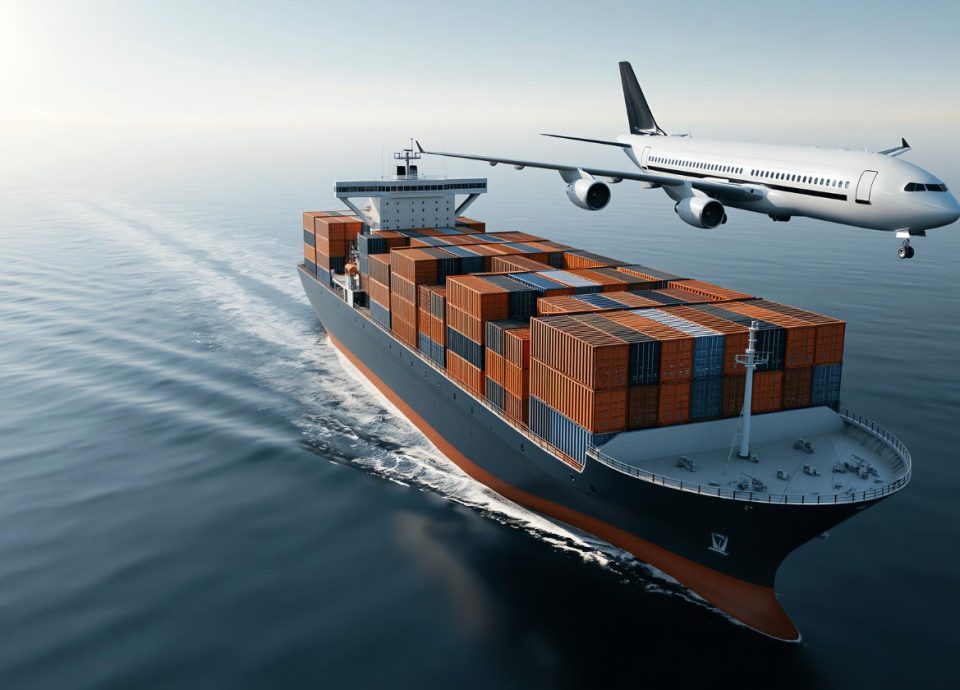
When a production line stops, a critical replacement part fails, or a customer deadline suddenly changes, routine transportation may no longer be fast enough. Businesses must quickly compare urgent freight shipping options and choose a service that protects the delivery window without creating unnecessary cost, handling, or risk. Two of the most common choices are Ground Expedite and Air Freight.
Ground service offers direct vehicle movement and can minimize transfers, while air service can overcome long distances when suitable flights are available. However, the fastest mode on paper is not always the fastest door-to-door solution. Pickup readiness, airport cutoffs, cargo dimensions, security screening, road conditions, customs procedures, and final delivery can all change the result.
Sprinter Emergency Transport Inc. helps businesses evaluate urgent transportation requirements using practical timing, cargo, and route information. This guide compares the main urgent freight shipping options, explains where Ground Expedite and Air Freight perform best, and outlines what companies should confirm before committing to a time-critical shipment.
Understanding the Main Urgent Freight Shipping Options
Ground Expedite is priority road transportation arranged around a specific shipment and deadline. It commonly uses a dedicated car, cargo van, sprinter van, straight truck, or tractor-trailer rather than waiting for a routine consolidated schedule. Air Freight uses scheduled aircraft capacity to move cargo between airports, with ground transportation required before and after the flight. Both services can be fast, but their operating models are different.
The correct choice depends on the complete journey rather than one segment. A direct van may beat air service on a regional lane because it avoids airport acceptance, screening, flight schedules, unloading, and final-mile handoffs. For a shipment moving across Canada or internationally, air transportation may save many hours when connections align. Reliable planning compares all urgent freight shipping options from the shipper’s door to the consignee’s door.
What Ground Expedite Means
Ground Expedite assigns capacity according to the cargo and required delivery time. The vehicle can collect the freight directly from a supplier, warehouse, factory, hospital, or job site and proceed toward the destination with limited handling. Among urgent freight shipping options, it is commonly selected for production parts, machinery components, retail inventory, medical equipment, and industrial tools. Direct routing gives businesses visibility and control while avoiding many terminal transfers associated with standard freight.
What Air Freight Means
Air Freight combines local pickup, airport handling, security procedures, scheduled flight transportation, destination recovery, and final delivery. The aircraft covers the longest portion quickly, but the surrounding steps still require careful coordination. These urgent freight shipping options are especially useful when a small or moderate-sized shipment must cross a long distance and the value of arriving earlier is greater than the additional air transportation cost.
Comparing Ground Expedite and Air Freight
When comparing urgent freight shipping options, distance and urgency are the first decision points. Ground transportation is often highly competitive for regional, interprovincial, and nearby cross-border lanes because it can depart shortly after pickup and continue directly. Air service usually becomes more attractive as distance increases, particularly when driving time would consume most of the available delivery window. The route must still have practical airport capacity and a workable flight schedule.
Cargo size, handling risk, weather, and destination access also influence the decision. A large pallet may fit easily inside a dedicated truck but face high chargeable-weight costs or aircraft limitations. Fragile equipment may benefit from fewer transfers by road, while a compact replacement component may be ideal for air. The best urgent freight shipping options balance speed with the physical and operational needs of the cargo.
Speed, Distance, and Number of Transfers
Businesses should calculate pickup time, drive to the airport, cargo acceptance, screening, flight cutoff, departure, arrival recovery, and final delivery before assuming air is faster. Ground service can begin moving immediately and may remain with one vehicle throughout the trip. Air introduces more handoffs but can compress the longest distance. A dependable comparison uses realistic milestones, connection risk, operating hours, and backup plans for both urgent freight shipping options.
Questions to Ask Before Choosing a Mode
Accurate answers allow the provider to recommend a service without losing time to repeated clarification. Before selecting between urgent freight shipping options, confirm the following information:
- Exact pickup and delivery addresses
- Cargo-ready time and required delivery time
- Piece count, dimensions, and total weight
- Commodity description and declared value
- Packaging and handling requirements
- Loading and unloading equipment
- Dangerous goods status, if applicable
- Airport, border, or site-access restrictions
- Reliable contacts at both locations
Costs, Transit Times, and Business Risk
Pricing for urgent freight shipping options varies by distance, vehicle type, fuel, tolls, waiting time, team driving, border requirements, and special equipment. Air pricing can include chargeable weight, flight availability, security screening, terminal handling, dangerous goods fees, pickup, transfers, and final delivery. A quote should explain what is included and identify the conditions that may create additional charges.
Price alone should not determine the choice. A cheaper service that misses the operational deadline may lead to downtime, idle technicians, missed installation windows, penalties, lost sales, or customer dissatisfaction. Businesses comparing urgent freight shipping options should consider the total financial impact of a late or damaged shipment, along with the transportation price and probability of success.
Calculating the True Cost of Delay
Estimate what each hour of delay costs the business, then compare that amount with the premium for a faster or more controlled service. A dedicated truck may provide better value than air if both arrive before the part is needed. Air Freight may be the stronger choice when it restores production a day earlier. The most economical urgent freight shipping options protect the actual business requirement rather than simply offering the lowest quoted rate.
When Ground Expedite Is Usually the Better Choice
Ground service is often preferred when the freight can reach the destination within the required window by road, especially on regional or medium-distance lanes. It also works well for large, heavy, awkward, fragile, or high-value cargo that benefits from fewer transfers. If both locations have direct vehicle access but limited airport access, Ground Expedite may offer a simpler and more predictable journey than other urgent freight shipping options.
When Air Freight Is Usually the Better Choice
Air service is often preferred when the shipment must cross a long distance and scheduled capacity can support the delivery window. Compact, high-value, mission-critical components are common candidates because the time saved may justify premium charges. Air Freight can also connect distant Canadian, U.S., and international markets, but its advantage depends on cargo acceptance, screening, flight availability, customs readiness, and final-mile coordination.
How Each Urgent Shipping Process Works
Every request for urgent freight shipping options begins with shipment verification. The provider confirms the commodity, piece count, dimensions, weight, packaging, ready time, delivery deadline, declared value, and regulatory status. The shipper should identify special handling requirements and verify that the freight is accessible. A transportation plan is then built around suitable capacity, realistic timing, and the consequences of a missed delivery.
Once dispatched, communication should follow meaningful milestones. Useful updates include driver assignment, arrival at pickup, loading complete, airport acceptance when applicable, departure, flight status, route changes, estimated arrival, delivery, and proof of delivery. Effective urgent freight shipping options combine movement with active monitoring and exception management throughout the journey.
Ground Expedite From Pickup to Delivery
For Ground Expedite, a suitable vehicle is assigned and sent to the pickup location. After loading and securement, the driver proceeds on the planned route while dispatch monitors progress, traffic, weather, driver-hour requirements, and destination access. The vehicle may remain dedicated to the shipment until delivery. If the trip is long, the plan may require team driving, a relay, or another compliant arrangement rather than unsafe scheduling.
Air Freight From Pickup to Delivery
For Air Freight, local transportation collects the cargo and delivers it to the correct airport facility before the cutoff. The shipment is accepted, documented, screened, and prepared for the scheduled flight. At the destination airport, it must be recovered and transferred to final-mile transportation. These additional stages make coordination essential, especially when urgent freight shipping options depend on a tight connection or after-hours arrival.
Air Charter and Onboard Courier Alternatives
Air Charter may be considered when scheduled flights cannot support the route, timing, size, or handling requirements. Onboard Courier can support small approved items that benefit from continuous personal custody on a commercial flight. These services can strengthen a time-critical plan, but aircraft availability, airline rules, security, customs, and commodity restrictions still apply. They should be evaluated alongside Ground Expedite and Air Freight rather than treated as automatic solutions.
Safety, Security, and Cargo Preparation
Urgency does not remove safety requirements. Ground plans must account for legal driving and rest rules instead of relying on an unrealistic nonstop schedule. Transport Canada explains that commercial-vehicle, driver, and motor-carrier regulations are based on National Safety Code standards. Its Commercial Driver Hours of Service Regulations resource provides an official reference when reviewing road-based urgent freight shipping options.
Security affects urgent freight shipping options because air cargo must move through appropriate controls and remain protected during handling. Transport Canada states that its Air Cargo Security Program helps secure cargo throughout the journey and sets requirements for participating businesses involved in screening, storing, or transporting secure air cargo. Shippers should allow time for acceptance and screening rather than assuming an urgent label bypasses these processes.
Packaging and Information Accuracy
Across urgent freight shipping options, packaging should match the weight, shape, fragility, value, and selected mode. Heavy equipment may need reinforced crating and marked lifting points, while electronics may need protection against impact, moisture, static, and vibration. Labels, dimensions, weights, documents, and commodity descriptions must be accurate. Incomplete information can lead to the wrong vehicle, rejected air cargo, rehandling, missed cutoffs, or revised pricing after dispatch.
Why Choose Sprinter Emergency Transport Inc.
Sprinter Emergency Transport Inc. understands that urgent freight often protects production, customer commitments, repairs, installations, medical needs, or other time-sensitive operations. The team reviews the route, deadline, cargo, readiness, and handling requirements before recommending a service. Ground Expedite, Air Freight, Air Charter, and Onboard Courier give customers access to several urgent freight shipping options rather than a single fixed solution.
Responsive communication is central to the company’s approach. Sprinter Emergency Transport Inc. coordinates pickup, road or airport milestones, border requirements when applicable, final delivery, and proof of delivery as connected stages. By comparing realistic door-to-door schedules and contingency choices, the team helps businesses maintain visibility and make informed decisions when every hour matters.
Choose the Right Service for Your Deadline
Choosing between urgent freight shipping options requires a complete comparison. Ground Expedite provides direct routing, fewer transfers, and strong control for shipments that can meet the deadline by road. Air Freight can save substantial time across longer distances when flights, screening, connections, and final delivery align. Neither option is universally better. The correct decision depends on the shipment’s distance, dimensions, value, handling needs, readiness, destination, and financial impact of delay.
When your business needs help comparing urgent freight shipping options, contact Sprinter Emergency Transport Inc. with the pickup address, destination, cargo details, ready time, and required arrival time. The team can evaluate Ground Expedite, Air Freight, Air Charter, and Onboard Courier possibilities and coordinate a practical plan from collection through final delivery.
Frequently Asked Questions
Urgent shipments differ according to cargo, route, deadline, capacity, and operational consequences. The following answers provide a practical starting point for comparing transportation modes, but every request should be evaluated using current shipment information and actual service availability.
Before booking, verify the dimensions, weight, commodity, packaging, regulatory status, pickup access, delivery access, and true deadline. Complete information helps the provider compare urgent freight shipping options quickly while reducing the risk of equipment changes, rejected cargo, waiting charges, missed flights, or unrealistic promises.
1. What Are the Main Urgent Freight Shipping Options?
Common choices include dedicated Ground Expedite, scheduled Air Freight, Air Charter, and Onboard Courier service. The right method depends on the route, delivery deadline, cargo size, value, handling requirements, airport access, and consequences of delay. Some shipments may also use a coordinated combination of air and ground transportation.
2. Is Ground Expedite Faster Than Air Freight?
Ground service can be faster on regional and medium-distance lanes because it avoids airport acceptance, screening, flight schedules, recovery, and transfers. Air service is often faster over long distances. The correct comparison between urgent freight shipping options uses the full door-to-door timeline rather than driving or flight time alone.
3. Which Service Is Better for Fragile or High-Value Cargo?
Among urgent freight shipping options, Ground Expedite may reduce handling by keeping the freight in one dedicated vehicle, while air can shorten total travel time across long distances. The better choice depends on packaging, value, vibration sensitivity, transfer risk, security needs, and deadline. Specialized handling and suitable insurance should be discussed before booking.
4. How Much Do Urgent Freight Shipping Options Cost?
Cost depends on distance, vehicle or aircraft capacity, weight, dimensions, urgency, flight availability, handling, screening, waiting time, special equipment, and final delivery. A useful comparison also considers downtime, missed appointments, lost sales, or penalties that could result from selecting a slower or less reliable service.
5. Can Dangerous Goods Move by Ground or Air?
Some dangerous goods can move by ground or air when they are correctly classified, packaged, marked, documented, and accepted by the carrier. Air rules and carrier restrictions may be more limiting. The shipper must disclose the commodity and obtain qualified guidance before comparing urgent freight shipping options for regulated cargo.
6. Can Air Charter Replace Scheduled Air Freight?
Air Charter may be appropriate when scheduled flights cannot meet the route, timing, cargo size, or handling requirement. It offers dedicated aircraft capacity but usually costs more and remains subject to aircraft availability, airport operations, weather, security, customs, and final-mile transportation. It should be evaluated against the business cost of delay.
7. What Information Should I Provide for an Urgent Quote?
Provide the complete pickup and delivery addresses, ready time, delivery deadline, commodity description, piece count, dimensions, weight, packaging, declared value, loading method, and regulatory status. Accurate details allow the provider to compare urgent freight shipping options and recommend a realistic service without losing time to preventable corrections.