For many companies, cross-border shipping Canada is no longer a niche logistics task. It is part of daily business operations. Manufacturers depend on parts from the United States, retailers replenish stock across the border, healthcare suppliers move sensitive products on strict timelines, and distributors serve customers on both sides of the line. Because Canada and the U.S. are so economically connected, cross-border shipping Canada often plays a direct role in revenue, customer satisfaction, and production continuity. The Canada Border Services Agency explains that commercial importers need to prepare for classification, duties, taxes, reporting, and release, which shows how structured and important this process is for businesses moving commercial goods.
The challenge is that cross-border shipping Canada is not only about moving freight from one location to another. It is also about getting documents right, aligning brokers and carriers, choosing the right route, and understanding how customs, timing, and compliance affect the shipment from the start. Businesses that treat cross-border shipping Canada as a simple transport problem often run into avoidable delays, added costs, and frustrated customers. Businesses that treat it as a coordinated process usually see better transit times, smoother customs release, and fewer surprises. Transport Canada also notes that commercial vehicle safety standards are part of the broader framework for safe extra-provincial and cross-border movement, which matters for urgent and routine road freight alike.
The Main Reason This Topic Deserves Attention
The biggest reason to understand cross-border shipping Canada is that even a small mistake can create a large downstream problem. A weak invoice, a missing importer detail, or a poor route choice can affect production schedules, final delivery appointments, and customer commitments. Good planning turns cross-border shipping Canada from a reactive task into a reliable part of business growth.
How Cross-Border Shipping Canada Actually Works
At a practical level, cross-border shipping Canada starts well before a truck reaches the border or an aircraft reaches the airport. The shipper prepares the commercial details, the customs broker uses those details to build the customs entry, and the carrier moves the freight to the correct crossing point at the right time. The CBSA guide to importing commercial goods into Canada explains that businesses must prepare to classify goods, determine duties and taxes, and obtain release, which means customs is not an afterthought. It is built into the shipment from the beginning. When businesses understand that structure, cross-border shipping Canada becomes much easier to manage and much easier to scale.
The most reliable version of cross-border shipping Canada happens when all parties are aligned early. The shipper provides accurate information, the broker receives documents before pickup, the carrier knows the timing and port plan, and the consignee is prepared to receive the goods. If one link in that chain is weak, the whole movement slows down. The fastest truck or the best route cannot compensate for incomplete release information or inconsistent cargo descriptions. That is why successful cross-border shipping Canada depends on logistics discipline as much as transport speed.
Who Is Involved in the Process
Most cross-border shipping Canada moves involve the shipper, the customs broker, the carrier, and the importer of record. Each one plays a different role, but all four need to work from the same information. When they do, the shipment is more likely to move cleanly through customs and arrive on time. When they do not, the border quickly becomes a bottleneck.
Why Timing and Communication Matter So Much
Good communication improves cross-border shipping Canada because customs timing is sensitive to accurate arrival estimates, route changes, and release readiness. If weather, congestion, or a routing change affects the ETA, the broker should know right away. That single habit can prevent avoidable hold time and help keep the shipment moving.
The Documents That Make or Break Cross-Border Shipping Canada
The commercial invoice is one of the most important tools in cross-border shipping Canada because it tells customs what the goods are, who is buying and selling them, where they come from, and what they are worth. The CBSA guide makes clear that businesses must determine origin, tariff classification, and value for duty, which means invoice quality matters a great deal. Vague descriptions such as “parts” or “samples” often cause questions, while clear and honest product descriptions help customs officers and brokers process the file with more confidence. If your business wants stronger cross-border shipping Canada performance, invoice discipline is one of the highest-value improvements you can make.
The packing list matters almost as much because it turns commercial information into something physically verifiable. It shows the number of packages, the dimensions, the weights, and how the goods are arranged. In cross-border shipping Canada, that matters because customs or warehouse staff may need to reconcile what they see with what the invoice declares. If the counts, dimensions, or weights do not line up, the shipment can lose valuable time while someone investigates the difference. Strong cross-border shipping Canada depends on invoice data, packing list details, and broker entries all matching cleanly.
HS Codes and Product Classification
Tariff classification is one of the most technical parts of cross-border shipping Canada, but it has a direct effect on duties, taxes, and admissibility. The CBSA notes that the correct tariff classification number, together with the country of origin, is used to determine the duty rate. Businesses that keep verified HS codes in a clean product database usually handle cross-border shipping Canada more smoothly because they are not starting from scratch with every urgent file.
Origin, Value, and Trade Treatment
Origin and value are also central to cross-border shipping Canada. The country of origin can affect tariff treatment, and the declared value affects duties, taxes, and customs scrutiny. The CBSA explains that proof of origin may be needed and that GST applies to most goods at the time of importation. Those details have both compliance and cost implications, so they should be settled before the shipment moves.
Customs Release, Duties, and Border Timing
A lot of business frustration around cross-border shipping Canada comes from the belief that customs is unpredictable. In reality, many customs delays stem from a short list of repeatable problems: incomplete data, poor classification, unclear values, outdated importer details, or late broker filing. CBSA Memorandum D17-1-4 sets out the terms and conditions for release of commercial goods, which reinforces the point that release is a structured process. Businesses that understand release requirements and prefile where possible often experience far smoother cross-border shipping Canada than those that treat customs as something that can be “figured out later.”
Duties and taxes also deserve early attention. CBSA guidance notes that goods may be subject to GST and, depending on classification and origin, other duties or taxes as well. That means cross-border shipping Canada should be priced and planned with customs cost in mind, not only freight cost. If those financial details are ignored until after release, the business can end up with margin erosion, billing disputes, or unhappy customers. Good cross-border shipping Canada planning includes not only route and mode decisions, but also a clear picture of how customs treatment affects the landed cost of the shipment.
Why Prefiling Helps So Much
Prefiling gives the broker time to review the shipment, identify missing information, and prepare the customs entry before the carrier reaches the border. In cross-border shipping Canada, that often means less waiting, fewer surprises, and a better chance of release moving in step with the freight instead of lagging behind it.
Why the Port Choice Still Matters
Not all crossings perform the same way at the same time. In cross-border shipping Canada, the chosen port should reflect staffing, congestion patterns, the shipment’s timing, and any weather or road concerns that could affect arrival. Picking the wrong crossing out of habit instead of logic can add delay that a better route could have avoided.
Choosing the Right Mode for Cross-Border Shipping Canada
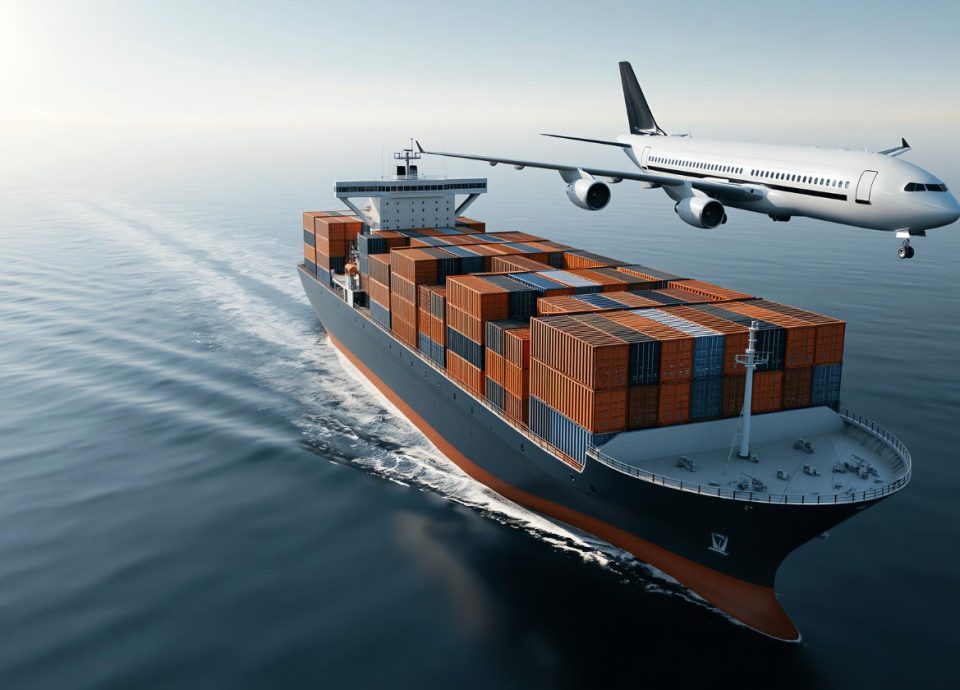
Many businesses assume cross-border shipping Canada always means a truck, but the best mode depends on urgency, size, value, and geography. Dedicated road service is often ideal when the shipment needs direct control and the lane is practical by truck. Transport Canada’s commercial vehicle safety and motor carrier guidance show how structured and regulated extra-provincial road movement is, which is relevant for companies relying on urgent road freight. For some businesses, especially on shorter or medium-haul cross-border lanes, road offers the best mix of speed, visibility, and final-mile precision.
Air can still be the better answer when the route is long, the delivery window is extremely tight, or road conditions introduce too much risk. Some of the strongest cross-border shipping Canada plans are actually hybrid plans, where the most critical part of the shipment moves by premium air and the rest moves by direct truck. The right answer is not about loyalty to one mode. It is about matching the shipment’s timing and business consequence to the mode that protects the final result best. Businesses that approach cross-border shipping Canada this way tend to make better decisions under pressure.
Ground Expedite for Direct Control
Direct trucking can be the cleanest version of cross-border shipping Canada when the shipment is urgent but still practical by road. It keeps the cargo in one flow, reduces handling, and often simplifies final delivery because there is no airport recovery or secondary transfer stage to manage.
Premium Air for Longer or Higher-Risk Lanes
Air can strengthen cross-border shipping Canada when the linehaul distance is too large for road to meet the required deadline or when severe disruption makes road timing too uncertain. The important comparison is total door-to-door time, not just flight time by itself.
Practical Ways to Improve Cross-Border Shipping Canada
Cross-border shipping Canada gets easier when businesses stop relying on memory and start relying on process. Small improvements in preparation often produce much larger gains in transit time and customs performance. The list below highlights habits that reduce risk and create more reliable movement across the border.
The common theme in these improvements is consistency. When the same data, document standards, and communication steps are used every time, cross-border shipping Canada becomes easier to repeat under pressure. That is especially valuable for urgent freight, because a routine built in calm conditions is what protects the shipment when timelines suddenly tighten.
- Send commercial documents to the broker before pickup whenever possible
- Use precise product descriptions instead of vague labels
- Maintain a verified HS code list for repeat products
- Confirm importer of record details before every urgent move
- Choose the port based on timing and conditions, not habit
- Build a weather backup crossing plan for winter months
- Align Incoterms with the actual commercial agreement
- Stage freight early so the carrier can launch without delay
- Share two live contact numbers for both shipper and receiver
- Review every customs delay and update your SOP afterward
Why Choose Sprinter Emergency Transport Inc.
Sprinter Emergency Transport Inc. helps businesses treat cross-border shipping Canada as a controlled logistics function rather than a recurring source of uncertainty. We understand that urgent and high-consequence freight depends on more than transport speed. It depends on customs readiness, route logic, broker coordination, and clear communication from dispatch through final delivery. That is why we approach cross-border shipping Canada with a full operational view, aligning the transport side and the customs side into one coordinated plan.
Clients choose Sprinter Emergency Transport Inc. because we focus on speed, predictability, and execution quality. We help prepare broker-ready files, choose the best route and mode for the shipment, and maintain visibility while the freight is moving. In cross-border shipping Canada, the shipment is only as strong as its weakest handoff. Our role is to reduce those weak points so the cargo moves with fewer delays and much more confidence, especially when the timeline matters.
What Businesses Value Most
Most companies want the same three things from cross-border shipping Canada: fast movement, fewer surprises, and clear accountability. We support all three by building practical logistics plans that connect the customs process to the transport process instead of treating them as separate silos.
Make Cross-Border Shipping Canada a Strength, Not a Stress Point
Cross-border shipping Canada does not have to feel uncertain or overly complicated. When businesses prepare strong documents, align with their brokers early, choose the right route, and match the shipment to the best mode, the border becomes a manageable step instead of a constant source of delay. The companies that do this well are usually the ones that view customs and transport as one connected process rather than two separate jobs.
If your business depends on shipments moving smoothly between Canada and the U.S., the best next step is to build a better operating routine before the next urgent load appears. Sprinter Emergency Transport Inc. helps companies create that routine so cross-border shipping Canada becomes faster, clearer, and more reliable under real-world pressure. That preparation is what turns a difficult trade lane into a practical business advantage.
Frequently Asked Questions
What does cross-border shipping Canada involve?
Cross-border shipping Canada involves moving goods between Canada and another country, most often the United States, using transportation planning, customs documentation, broker coordination, duty and tax assessment, and formal release procedures at the border.
What documents are most important in cross-border shipping Canada?
The most important documents in cross-border shipping Canada are usually the commercial invoice, packing list, correct HS code information, origin details, and importer of record information. These documents affect classification, valuation, and customs release.
How can businesses reduce delays in cross-border shipping Canada?
Businesses can reduce delays by sending documents to the broker early, keeping invoice and packing list data aligned, using accurate product descriptions, and updating the broker immediately if the route or border crossing changes.
Is trucking always the best option for cross-border shipping Canada?
Not always. Trucking is often ideal for direct and urgent lanes, but premium air or a hybrid plan may be better when the shipment must travel a very long distance, faces severe road disruption, or has an extremely tight deadline.
Why do HS codes matter so much in cross-border shipping Canada?
HS codes matter because they affect tariff classification, duty treatment, and whether special controls apply. Incorrect classification is one of the most common reasons customs questions or delays happen in cross-border shipping Canada.
Which Canadian government resources are most helpful for cross-border shipping Canada?
Two of the most useful resources are the Canada Border Services Agency guide to importing commercial goods and Transport Canada’s commercial vehicle safety guidance. Together, they help businesses understand customs release, transport safety, and operating expectations.
How does Sprinter Emergency Transport Inc. support cross-border shipping Canada?
Sprinter Emergency Transport Inc. supports cross-border shipping Canada by helping align route planning, carrier execution, customs timing, broker readiness, and delivery communication so urgent and high-consequence freight moves with greater speed and less uncertainty.