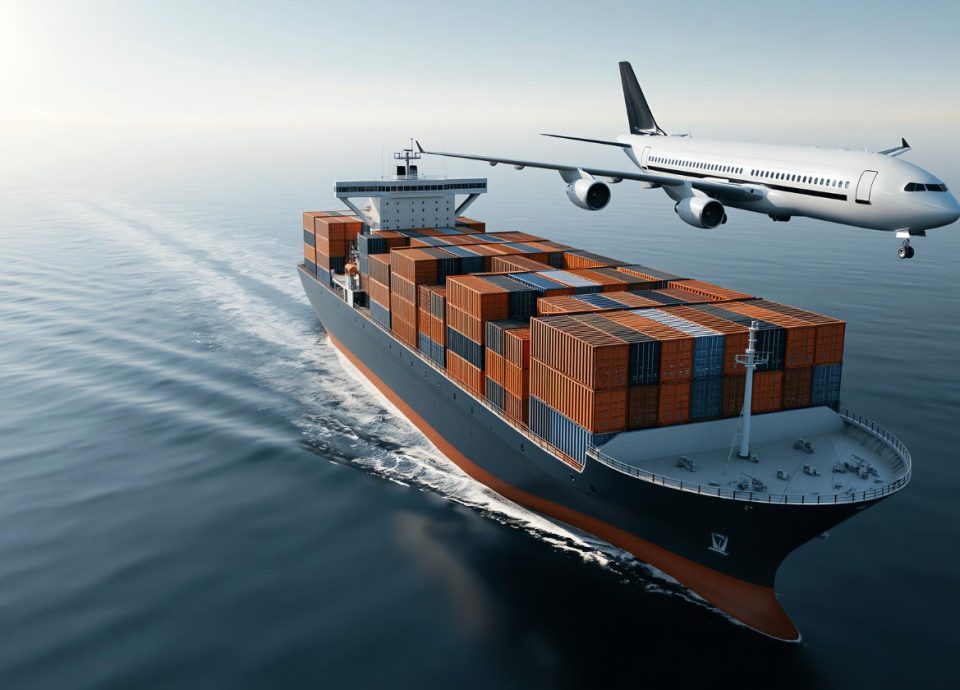
When a shipment is urgent, the wrong transportation choice can cost more than the freight itself. A delayed replacement part can stop a production line, a late medical delivery can affect patient care, and a missed deadline can damage customer confidence that took years to build. That is why businesses so often compare ground expedite vs air freight when they need to move time-sensitive cargo. Both options are fast, both can solve urgent problems, and both can be the right answer under the right conditions.
The challenge is that ground expedite vs air freight is not a simple speed contest. The better option depends on distance, cargo type, final delivery needs, weather exposure, border complexity, and the real cost of delay. Sprinter Emergency Transport Inc. helps businesses make this decision with a practical, shipment-first mindset. This guide explains how ground expedite vs air freight works in real logistics situations and how to choose the mode that protects your timeline, your cargo, and your customer commitments.
Why Businesses Compare Ground Expedite vs Air Freight So Often
The reason so many companies compare ground expedite vs air freight is simple. Both are designed to solve urgent delivery problems, but they solve them in different ways. Ground expedite focuses on direct road movement with fewer touchpoints, more control, and strong door-to-door visibility. Air freight focuses on reducing long distances quickly, especially when road transit would take too long to meet the required delivery window. In both cases, the goal is urgency, but the path to urgency is different.
Another reason ground expedite vs air freight comes up so often is that many urgent shipments sit in the gray zone between the two. The shipment may be too urgent for standard road freight but not automatically suited for air. It may be small enough to fly but fragile enough that extra airport handling creates risk. It may be a long route, but the final-mile timing may favor direct road service. Ground expedite vs air freight becomes the key comparison because businesses need more than speed. They need the service that gives them the best chance of success under real-world conditions.
Why This Is a Business Decision, Not Just a Freight Decision
Ground expedite vs air freight is really a business decision because the shipment is usually tied to a larger consequence. The right mode protects production, service continuity, customer trust, and financial performance. The wrong mode can create extra cost, extra handling, and a missed deadline that damages far more than the shipment itself.
What Ground Expedite Actually Delivers
Ground expedite is a direct, time-critical road service designed to reduce delay points and move the shipment from origin to destination with as little interruption as possible. Instead of waiting for a standard network cycle, the shipment is usually assigned to a dedicated van, straight truck, or tractor trailer, depending on size, route, and urgency. This makes ground expedite vs air freight an especially important comparison for shipments that need tight control, minimal handling, and direct final-mile delivery.
One of the strongest advantages in the ground expedite vs air freight discussion is that ground service often offers true pickup-to-delivery continuity. There is no airport tendering, no cargo recovery queue, and no separate handoff at destination. The shipment stays on one direct path, which can make a major difference for fragile, high-value, or appointment-sensitive freight. For many urgent lanes, this simplicity is exactly why businesses choose ground expedite over air.
Direct Road Movement Reduces Handling Risk
When companies compare ground expedite vs air freight, one of the biggest reasons they choose ground is to reduce touchpoints. Less handling often means lower damage risk, clearer tracking, and stronger control over the delivery window.
What Air Freight Brings to Urgent Logistics
Air freight becomes powerful when the shipment must travel a long distance in a very short amount of time. If the cargo needs to move across provinces, across the country, or across a border on an extremely narrow timeline, air can compress the linehaul in a way that no truck can match. That is why ground expedite vs air freight often turns in air’s favor when the route length is simply too great for a direct road move to compete.
Still, air freight is not only about flight speed. It includes airport acceptance, security screening, cargo handling, unloading, and final-mile recovery. These steps matter because they affect total door-to-door time. In the ground expedite vs air freight comparison, air can lose its advantage if the linehaul is short enough that direct road movement is faster overall. This is why experienced logistics planners compare complete transit time, not just the flight schedule, before deciding.
Air Is Strongest When the Distance Is the Real Problem
In ground expedite vs air freight decisions, air is usually the better fit when the shipment has to travel so far that even the best road option cannot meet the deadline without creating excessive risk.
How Distance Changes the Best Answer
Distance is one of the first things businesses should evaluate in the ground expedite vs air freight choice. For shorter and medium-haul lanes, ground expedite often wins because the shipment can move directly without the time added by airport processing. A dedicated truck can leave quickly, stay on one route, and arrive without needing terminal handoffs. In these cases, ground expedite vs air freight often favors road because the shipment reaches the receiver faster in practical door-to-door terms.
As the lane gets longer, air becomes more attractive. A shipment moving from Ontario to British Columbia on a tight same-day or next-day window may simply demand air. Even then, businesses should still think in total-move terms. Ground expedite vs air freight is not about what looks faster in the middle of the route. It is about which option gets the shipment into the consignee’s hands sooner and more reliably once pickup, transit, customs, and final-mile movement are all included.
Total Transit Time Always Beats Theoretical Speed
A common mistake in ground expedite vs air freight planning is focusing too much on linehaul time. The better question is how long the entire move will take from pickup to confirmed delivery. That is the number the business actually feels.
Cargo Type, Size, and Handling Requirements
The nature of the cargo can completely change the answer in a ground expedite vs air freight decision. Small, urgent, high-value items often fit air very well because they can move fast and do not require large amounts of capacity. On the other hand, oversized, awkward, fragile, or equipment-heavy freight often performs better in a dedicated road vehicle where it can be loaded once and moved directly. If a shipment is sensitive to repeated handling, ground may reduce risk even if air looks faster on paper.
This is why cargo profile matters so much in ground expedite vs air freight planning. A single box of urgent electronics may be ideal for air. A large medical device, a custom-machined part, or a sensitive industrial assembly may be safer and more predictable by direct truck. Businesses that choose well usually ask not only how fast each option moves, but also how each option handles the cargo itself along the way.
Fragile Freight Often Favors Fewer Touchpoints
When businesses compare ground expedite vs air freight for delicate or expensive shipments, they often discover that fewer transfers matter almost as much as speed. A direct road move may protect the cargo better simply because it stays in one controlled environment.
Weather, Geography, and Route Conditions in Canada
Canada’s geography makes urgent freight decisions more complex than they may first appear. Winter storms, mountain corridors, remote destinations, airport congestion, and road closures can all affect the best mode. Sometimes air is the better answer because highways are too exposed to weather. At other times, road is more reliable because airport deicing and cargo handling delays erase the speed advantage of flight. This is exactly why ground expedite vs air freight should always be evaluated in the context of route conditions and season.
Businesses can make better decisions by paying attention to official transport and weather resources. Transport Canada provides guidance on commercial road transportation and safety, while Environment and Climate Change Canada provides weather alerts and forecasts that can affect route planning. These resources are useful because they help businesses evaluate ground expedite vs air freight based on current operating reality instead of assumptions.
Use Reliable Information, Not Guesswork
Two useful Canadian government resources for better decision-making are Transport Canada Road Transportation and Environment and Climate Change Canada Weather. In urgent situations, strong route planning often starts with these two sources before the shipment even moves.
Cost Versus Consequence
Price is important, but urgent freight decisions should never be based on rate alone. Ground may cost less than air on some lanes, but that does not automatically make it the better option. Air may cost more, but if it prevents a costly shutdown or keeps a high-value customer happy, it can still be the cheaper business decision overall. The right way to evaluate ground expedite vs air freight is to compare the transport cost against the cost of failure.
This means asking what happens if the shipment is one day late, six hours late, or damaged in transit. Does it stop production. Miss a patient appointment. Trigger penalties. Waste labour. Delay a launch. Once businesses look at ground expedite vs air freight through that lens, the smartest option becomes much easier to identify. The best choice is the one that protects the outcome, not the one with the lowest line-item quote.
The Cheapest Option Can Be the Most Expensive Mistake
When companies compare ground expedite vs air freight only by transport rate, they often miss the true business risk. A lower freight bill does not help if the shipment fails and the operational cost of delay is much larger.
Signs You Should Compare Ground Expedite vs Air Freight Carefully
- The shipment has a hard delivery deadline with no flexibility
- The cargo is fragile, high-value, or difficult to replace
- The route crosses multiple provinces or a border
- The final delivery appointment is narrow
- Airport handling could add too much time
- Road weather is unstable along the lane
- The cargo supports healthcare, field service, or production
- A missed delivery would cause penalties or downtime
- The shipment is urgent but not obviously suited to one mode
- The business cannot afford to guess wrong
Why Choose Sprinter Emergency Transport Inc.
Sprinter Emergency Transport Inc. helps businesses make urgent mode decisions with more clarity and less guesswork. We understand that ground expedite vs air freight is rarely a generic comparison. It is a practical question tied to one shipment, one route, one consequence, and one deadline. That is why we focus on the details that actually shape the outcome, including route distance, cargo type, handling risk, weather exposure, final-mile timing, and customs readiness when the shipment crosses the border.
Clients choose Sprinter Emergency Transport Inc. because we bring a logistics mindset built around execution, not assumptions. We help evaluate ground expedite vs air freight based on what the shipment really needs, then coordinate the move in a way that gives the customer stronger control and better visibility from start to finish. In urgent logistics, confidence comes from structure. That is what we aim to provide on every high-priority shipment.
What Businesses Value Most in This Decision
Most businesses want three things when comparing ground expedite vs air freight: speed, control, and confidence. Our role is to help them get the right mix of all three based on the actual move, not on habit or marketing language.
Choose the Mode That Protects the Real Outcome
There is no universal winner in the ground expedite vs air freight decision. Both services solve urgent delivery problems, and both can be the right answer depending on the shipment. Ground is often stronger when direct control, fewer touchpoints, and reliable final-mile delivery matter most. Air is often better when long distance and extreme urgency make road transit unrealistic. The smart choice depends on total transit time, cargo risk, route conditions, and the true business impact of being late.
Businesses that handle urgent freight well do not choose one mode by default. They compare ground expedite vs air freight through the lens of the shipment’s actual consequence. That is where the right answer becomes clear. Sprinter Emergency Transport Inc. helps businesses make that call with better information, stronger planning, and a clear focus on protecting the delivery that matters.
Frequently Asked Questions
- What does ground expedite vs air freight mean?
Ground expedite vs air freight refers to the decision between moving urgent cargo by direct road service or by air, depending on distance, handling needs, timing, and business risk.
- When is ground expedite better than air freight?
Ground expedite is often better when the shipment can move directly by road within the required deadline and when reducing handling, improving visibility, and controlling the final-mile appointment are priorities.
- When is air freight better than ground expedite?
Air freight is usually better when the route is very long, the deadline is extremely tight, or the linehaul distance is too great for road transit to meet the required window.
- Is air freight always faster than ground expedite?
No. In many practical door-to-door scenarios, airport handling and final-mile recovery can make air slower than a dedicated expedite truck on short or medium-haul lanes.
- Which is safer for fragile cargo, ground expedite or air freight?
That depends on the shipment, but ground expedite often has an advantage for fragile cargo because it usually involves fewer touchpoints and less rehandling.
- How does weather affect ground expedite vs air freight?
Weather can affect both. Snow, storms, airport congestion, highway closures, and regional operating conditions all influence whether ground or air is more reliable at a given time.
- How can Sprinter Emergency Transport Inc. help with ground expedite vs air freight decisions?
Sprinter Emergency Transport Inc. helps businesses compare route distance, urgency, cargo profile, weather exposure, and business consequence so they can choose the service that offers the strongest mix of speed, control, and reliability.