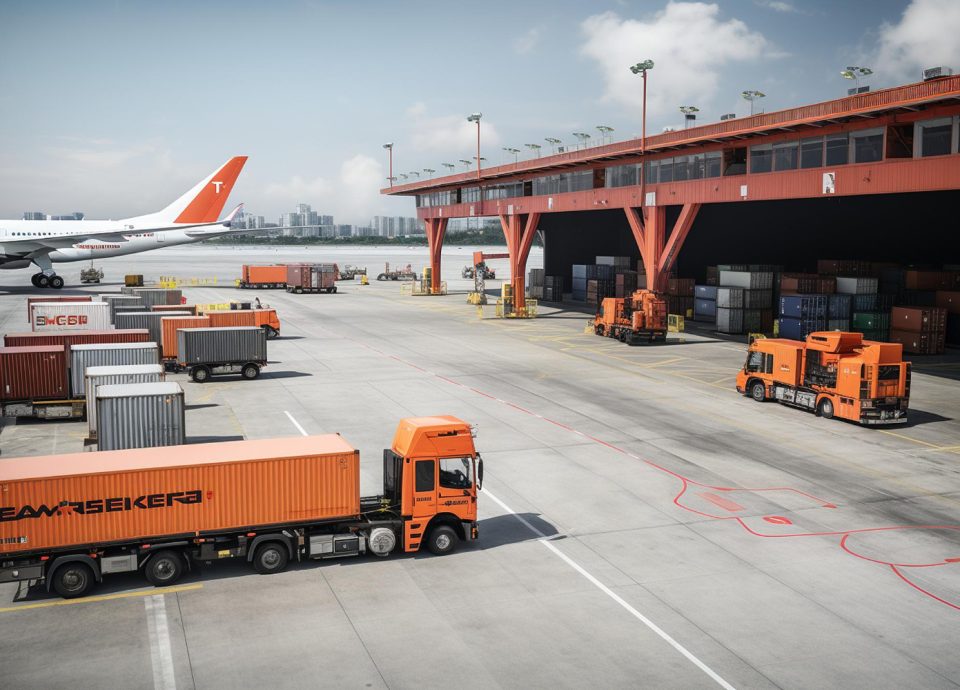
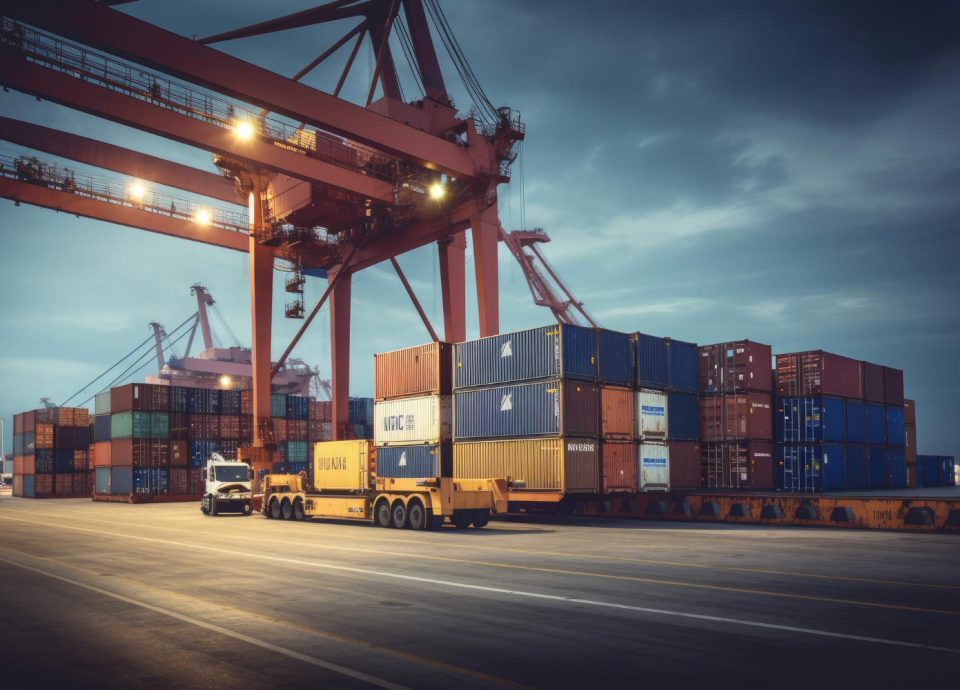
Supply chains do not always follow a predictable schedule. A production line can stop because one component is missing, a hospital may need specialized equipment before the next procedure, or a customer may move a delivery deadline forward with little notice. When standard transit times cannot protect the operation, expedited freight shipping provides a faster, more controlled way to move urgent cargo from origin to destination.
This service is not simply regular freight with a rush label. It may involve immediate dispatch, dedicated vehicle capacity, priority airline handling, direct routing, fewer transfers, and active communication throughout the journey. The right solution depends on the cargo, distance, deadline, pickup readiness, handling requirements, and cost of a late arrival. Careful planning is essential because speed without accurate information can create delays, damage, or unexpected expense.
Sprinter Emergency Transport Inc. helps businesses respond to urgent transportation challenges with practical ground and air options. In this guide, we explain how expedited freight shipping works, when it makes sense, what service types are available, how pricing is determined, and what information businesses should prepare before requesting a time-critical delivery.
Understanding Expedited Freight Shipping
Expedited freight shipping is a priority transportation service designed to reduce the normal time between pickup and delivery. Instead of waiting for a routine route, consolidation schedule, or standard terminal process, urgent cargo receives a plan built around its required arrival time. Depending on the shipment, that plan may include a dedicated vehicle, priority space on a scheduled flight, a chartered aircraft, or a courier who maintains personal custody of a small critical item.
The service can be used for a single envelope, a replacement machine part, several pallets, or an oversized industrial component. What makes the move expedited is not the size of the freight, but the level of urgency and operational control. A dependable provider evaluates the entire door-to-door journey, including collection, loading, line-haul transportation, airport or border procedures, final-mile delivery, and proof of delivery.
How Expedited Service Differs From Standard Freight
Standard freight is generally optimized for predictable volume and economical routing. Cargo may wait for a scheduled departure, share capacity with other shipments, move through terminals, and undergo several transfers before delivery. Expedited freight shipping prioritizes the deadline by reducing avoidable waiting and handling. It may use exclusive capacity and a more direct route, which usually costs more but can provide greater speed, visibility, and control when the financial or operational consequence of delay is high.
When Do Businesses Need Expedited Freight Shipping?
Businesses need expedited freight shipping when a delivery delay threatens production, safety, revenue, customer service, or a fixed project schedule. A manufacturer may require a part to restart a stopped assembly line. A maintenance contractor may need a specialized tool while technicians are already on-site. A retailer may need inventory before a major event, while a technology company may need sensitive equipment delivered before a scheduled installation.
Urgency should be based on the real business requirement rather than anxiety alone. If standard transportation can meet the deadline with an acceptable risk level, it may be the more economical choice. If a missed delivery could trigger costly downtime, penalties, lost sales, idle labour, or damage to an important customer relationship, paying for priority capacity can be a rational business decision.
Common Situations That Justify Priority Transportation
The need for expedited freight shipping often begins with an unexpected event, but it can also support a planned activity that has no room for delay. Before booking, the shipper should identify the consequence of failure and the latest usable delivery time. Common situations include:
- Production line shutdowns caused by missing parts
- Emergency replacement of medical or laboratory equipment
- Aircraft-on-ground and automotive component requirements
- Critical tools needed for field repairs or maintenance
- Retail inventory required before a launch or promotion
- Legal documents, prototypes, and high-value electronics
- Recovery after a missed carrier pickup or flight connection
- Time-sensitive materials for construction and energy projects
Main Expedited Freight Shipping Options
The best mode is determined by the complete shipment profile. Distance matters, but so do dimensions, weight, value, fragility, pickup time, airport access, road conditions, border readiness, and the receiving location. A direct cargo van can outperform an aircraft on a regional lane because it avoids airport processing, while air transportation can save many hours on a long-distance move when suitable flights and final-mile capacity are available.
A provider should compare realistic door-to-door schedules rather than quoting only driving time or flight time. The plan must include cargo preparation, loading, security screening, transfers, customs when applicable, and unloading. Expedited freight shipping works best when the chosen mode reduces the most meaningful sources of delay without introducing unnecessary handling or connection risk.
Ground Expedite for Direct Door-to-Door Service
Ground Expedite is often suitable for regional, interprovincial, and cross-border shipments that can meet the deadline by road. A dedicated car, cargo van, sprinter van, straight truck, or tractor-trailer can travel directly from the shipper to the consignee with fewer terminal stops and transfers. This option supports close monitoring and can be especially effective for manufacturing parts, industrial equipment, retail replenishment, and other freight that is ready for immediate pickup.
Air Freight and Air Charter for Longer Distances
Air Freight can shorten long-distance transit when scheduled airline capacity, cutoff times, and connecting ground transportation align with the delivery window. Air Charter offers dedicated aircraft capacity when cargo is exceptionally urgent, oversized, specialized, or poorly served by scheduled routes. Both choices require coordination at origin and destination, so an expedited freight shipping plan must include airport acceptance, security, documentation, handling, and final delivery rather than focusing only on the flight.
Onboard Courier for Small Critical Items
Onboard Courier service, sometimes called hand carry, can support small, high-value, or mission-critical items that benefit from continuous personal custody. A courier accompanies an approved shipment through the commercial travel process and delivers it to the authorized recipient. Airline, security, customs, baggage, and dangerous goods restrictions still apply, so the item must be reviewed before travel is arranged. This method can be valuable for documents, prototypes, electronics, and compact replacement components.
How Expedited Freight Shipping Works
The process begins with a clear request. The shipper provides the pickup and delivery locations, cargo-ready time, required arrival time, commodity, piece count, dimensions, weight, packaging, declared value, and loading requirements. The transportation team then assesses available capacity and possible routes. If the first requested method is not practical, a knowledgeable provider should explain alternatives and their effects on timing, handling, and price.
Once the plan is approved, capacity is assigned and the pickup contact receives the relevant details. The freight should be packaged, labelled, documented, and physically accessible before the vehicle arrives. After collection, the provider monitors progress, communicates important milestones, manages exceptions, and confirms final delivery. Effective expedited freight shipping depends on cooperation among the shipper, carrier, consignee, airport personnel, customs broker, and other parties involved in the move.
From Quote Request to Dispatch
A fast quote is only useful when it is based on accurate information. Estimated dimensions, understated weight, an incomplete address, or a vague commodity description can lead to the wrong vehicle, rejected air cargo, or a revised price after dispatch. The shipper should verify the cargo before booking and identify a person who can answer urgent questions. A strong expedited freight shipping provider will also confirm operating hours, loading equipment, site access, contact availability, and whether special handling or documentation applies.
Tracking, Updates, and Proof of Delivery
Visibility helps businesses make decisions while critical freight is moving. Useful updates include driver assignment, arrival at pickup, loading complete, departure, airport acceptance when applicable, major route changes, revised arrival estimates, delivery, and proof of delivery. Tracking data alone may not explain what a disruption means, so proactive communication remains important. If weather, congestion, a mechanical problem, or a flight cancellation threatens the deadline, the provider should describe the impact and available recovery options.
What Does Expedited Freight Shipping Cost?
Pricing varies because each urgent move is built around a particular cargo profile and deadline. Ground rates may reflect distance, vehicle type, fuel, tolls, border requirements, waiting time, team driving, and pickup or delivery outside normal hours. Air rates may also include chargeable weight, flight availability, security screening, terminal handling, special cargo fees, transfers, and final-mile transportation. Oversized, fragile, temperature-sensitive, or regulated freight may require additional resources.
The cheapest quotation is not always the least expensive business outcome. A poorly matched service can miss the deadline, damage the cargo, or generate storage and redelivery charges. When comparing expedited freight shipping quotations, businesses should examine the proposed route, number of transfers, tracking method, included services, possible accessorial charges, and contingency plan. Complete shipment details make pricing more accurate and reduce the chance of unexpected changes.
Compare Transportation Cost With the Cost of Delay
The decision should consider what happens if the freight arrives late. Production downtime, idle technicians, missed installation windows, contractual penalties, lost sales, and emergency replacement purchases can cost far more than priority transportation. Expedited freight shipping delivers the greatest value when the premium is proportionate to the risk it protects. Companies can make better decisions by estimating the financial impact per hour of delay and identifying the true deadline before choosing a service level.
Safety and Compliance Still Apply to Urgent Freight
Urgency does not remove legal, safety, or operational requirements. Commercial drivers must operate within applicable hours-of-service rules, and delivery estimates should account for safe driving and required rest. Transport Canada explains that Canadian regulations for commercial vehicles, drivers, and motor carriers are based on National Safety Code standards. Its Commercial Driver Hours of Service Regulations resource provides an official starting point for understanding this framework. A responsible expedited freight shipping plan uses realistic timing rather than depending on unsafe assumptions.
Not every urgent shipment is a dangerous good, but any potentially regulated commodity should be identified before pickup. Batteries, chemicals, compressed gases, fuels, aerosols, and certain equipment can require classification, approved containment, safety marks, shipping documents, or carrier approval. Transport Canada states that people who handle, offer for transport, or transport dangerous goods must be adequately trained and hold a valid certificate, or work under the direct supervision of someone who meets those conditions. The department’s dangerous goods guidance offers further educational information. Shipment-specific advice should come from a qualified compliance professional.
Packaging, Labelling, and Cargo Details
Packaging must suit the weight, fragility, shape, mode, and handling environment of the freight. Heavy equipment may need a reinforced crate and clearly marked lifting points, while electronics may need protection from static, moisture, vibration, and impact. Labels and documents should match the actual piece count and destination. For expedited freight shipping, preparation should happen while capacity is being arranged so the vehicle or flight is not left waiting for unfinished packaging or corrected paperwork.
Why Choose Sprinter Emergency Transport Inc.
Sprinter Emergency Transport Inc. understands that a critical shipment often supports a larger business commitment. The team reviews the cargo, route, deadline, readiness, and handling needs before recommending an expedited freight shipping service. Options such as Ground Expedite, Air Freight, Air Charter, and Onboard Courier allow the plan to reflect the shipment instead of forcing every request into the same model.
Communication is central to the company’s approach. Sprinter Emergency Transport Inc. coordinates pickup, transportation milestones, airport or border considerations when applicable, final delivery, and proof of delivery as connected stages. Customers receive practical information that helps them prepare employees, technicians, docks, or end users while the freight is moving. This focus supports better decisions when timing, cargo care, and delivery confidence all matter.
Get the Right Freight Solution When Every Hour Matters
Expedited freight shipping is most valuable when a delivery deadline protects production, safety, revenue, customer trust, or an important project. Its benefits come from priority capacity, direct planning, fewer delays, appropriate handling, and active communication. The best result begins with accurate cargo information and a realistic comparison of ground, air, charter, and courier options across the entire door-to-door journey.
When your business has freight that cannot wait for a standard schedule, contact Sprinter Emergency Transport Inc. with the pickup address, destination, cargo details, ready time, and required delivery time. The team can assess the available options and coordinate an expedited freight shipping plan designed around your operational priority. Early communication gives everyone more time to manage risk and protect the final deadline.
Frequently Asked Questions
1. What Is Expedited Freight Shipping?
Expedited freight shipping is priority transportation designed to move time-sensitive cargo faster than a routine service. It may use a dedicated road vehicle, scheduled air capacity, charter aircraft, or accompanied courier. The service normally reduces waiting and transfers while providing closer coordination and shipment visibility.
2. How Fast Can Expedited Freight Shipping Be Arranged?
Dispatch speed depends on cargo readiness, pickup location, vehicle or flight availability, distance, weather, traffic, and special requirements. Some ground shipments can be collected quickly after approval, while air or specialized cargo may require more preparation. Accurate information allows the provider to evaluate options without preventable delays.
3. What Types of Cargo Can Use Expedited Freight Shipping?
Common cargo includes manufacturing parts, machinery components, electronics, retail inventory, medical equipment, documents, prototypes, tools, and approved high-value goods. Acceptance depends on size, weight, packaging, value, route, handling needs, and regulatory status. Restricted or dangerous goods require advance review and may not be accepted by every carrier or airline.
4. Is Ground or Air Better for an Urgent Shipment?
Ground service is often faster for regional routes because it can travel directly without airport processing. Air service may save time over longer distances when flight capacity, cutoffs, and final-mile delivery align. A provider should compare the total door-to-door schedule, number of transfers, handling risk, and cost before recommending either option.
5. Why Does Expedited Freight Shipping Cost More?
The price may include immediate dispatch, dedicated capacity, direct routing, priority handling, after-hours coordination, premium air space, or specialized equipment. Cost also varies with distance, vehicle type, chargeable weight, waiting time, cargo requirements, and access conditions. The premium should be compared with the operational cost of a late delivery.
6. Can Expedited Freight Shipping Operate Overnight or on Weekends?
Yes, urgent freight can often move outside normal business hours when suitable capacity and site access are available. The shipper must confirm that the cargo can be released and that someone can receive it. Airport cutoffs, border procedures, building security, dock schedules, driver-hour rules, and local restrictions can still affect timing.
7. What Information Is Needed to Request Expedited Freight Shipping?
Provide the full pickup and delivery addresses, ready time, required arrival time, commodity description, piece count, dimensions, weight, packaging, value, and loading method. Include dangerous goods status, temperature or security requirements, border information when relevant, and reachable contacts at both ends. Clear details support faster quoting and a more reliable plan.