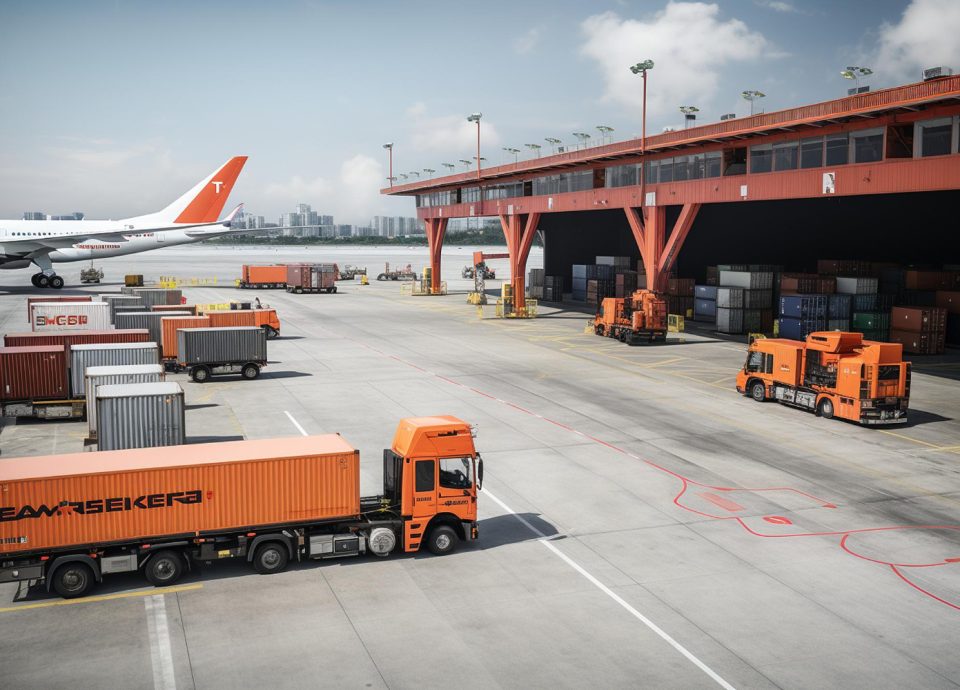
International air freight regulations play a critical role in how goods move safely and legally across borders by air. Businesses that rely on urgent global air freight and sprinter emergency transport must understand the rules that govern cargo handling, documentation, customs clearance, and airline compliance. Without proper preparation, shipments can face delays, penalties, or even rejection at borders.
Air freight is one of the fastest and most reliable transportation methods for international trade, but it is also one of the most regulated. From security checks to customs declarations, every shipment must meet strict standards set by aviation authorities and customs agencies around the world. Understanding air freight documentation and air freight logistics requirements ensures smoother delivery and fewer unexpected complications.
Why Regulations Matter in Global Air Cargo
Regulations exist to protect aviation safety, national security, and trade accuracy. Global air cargo compliance ensures that goods transported by aircraft do not pose risks and that all items are properly declared. These rules apply to commercial goods, personal shipments, dangerous goods, perishables, and high value cargo.
Failure to comply with international air freight regulations can result in shipment seizures, fines, or extended inspections that disrupt supply chains and customer commitments.
Essential Air Freight Documentation
Accurate air freight documentation is the foundation of successful international shipping. Each document serves a purpose in verifying the shipment details, value, origin, and contents.
- Air Waybill
This is the primary shipping document issued by the carrier. It acts as a receipt and contract for transportation.
- Commercial Invoice
This document outlines the value, description, and quantity of goods for customs assessment.
- Packing List
Provides detailed information about the contents, weight, and packaging of the shipment.
- Certificate of Origin
Confirms the country where the goods were manufactured, which affects duties and trade agreements.
- Dangerous Goods Declaration
Required if the shipment contains hazardous materials that must meet aviation safety standards.
Understanding Air Freight Customs Procedures
Air freight customs air clearance is a critical step in international shipping, and using an expediting service can help ensure documents are reviewed and prepared correctly before submission. Customs officers verify documents, inspect cargo if necessary, and determine applicable duties and taxes. Proper documentation and accurate declarations speed up this process and reduce the risk of delays.
Customs procedures vary by country, but all require transparency, accuracy, and compliance with local import and export laws.
Air Freight Logistics Requirements for Smooth Shipping
Meeting air freight logistics requirements involves more than just booking cargo space. It includes proper packaging, labelling, weight restrictions, and compliance with airline rules. Cargo must be packed to withstand air pressure changes and handling during transit.
Shippers must also ensure that labels, markings, and documentation match perfectly. Even small inconsistencies can lead to shipment holds.
The Role of Security in International Air Freight
Security is a top priority in international air freight shipping and global air cargo compliance. Shipments often go through screening processes to detect prohibited items. Known shipper programs and cargo screening requirements are part of aviation safety standards that every shipper must follow.
Handling Urgent Global Air Freight Correctly
Urgent global air freight requires even more attention to documentation and regulatory compliance. Time sensitive shipments cannot afford delays caused by missing paperwork or incorrect declarations. Preparation and knowledge of regulations make the difference between on time delivery and costly setbacks.
Common Compliance Mistakes to Avoid
- Incorrect product descriptions on shipping documents
- Missing certificates required for specific goods
- Improper packaging for air transport
- Failure to declare hazardous materials
- Mismatched information across documents
Avoiding these mistakes helps maintain smooth customs clearance and regulatory approval.
Conclusion
Understanding international air freight regulations is essential for any business involved in global trade. Proper air freight documentation, compliance with air freight logistics requirements, and awareness of air freight customs air procedures help prevent delays and ensure shipments reach their destinations smoothly. Partnering with cargo Air Canada can further streamline processes and ensure timely delivery. With the right preparation and attention to detail, businesses can move goods across borders efficiently while meeting every regulatory requirement.
FAQ
What are international air freight regulations?
They are rules that govern how goods are transported safely and legally across borders by air.
Why is air freight documentation important?
It ensures customs clearance, legal compliance, and accurate shipment handling.
What happens if documentation is incorrect?
Shipments may be delayed, fined, or rejected by customs authorities.
Are customs procedures the same in every country?
No, each country has its own requirements, but all demand accurate declarations.
How can businesses ensure global air cargo compliance?
By preparing correct documents, following packaging rules, and understanding regulations before shipping.