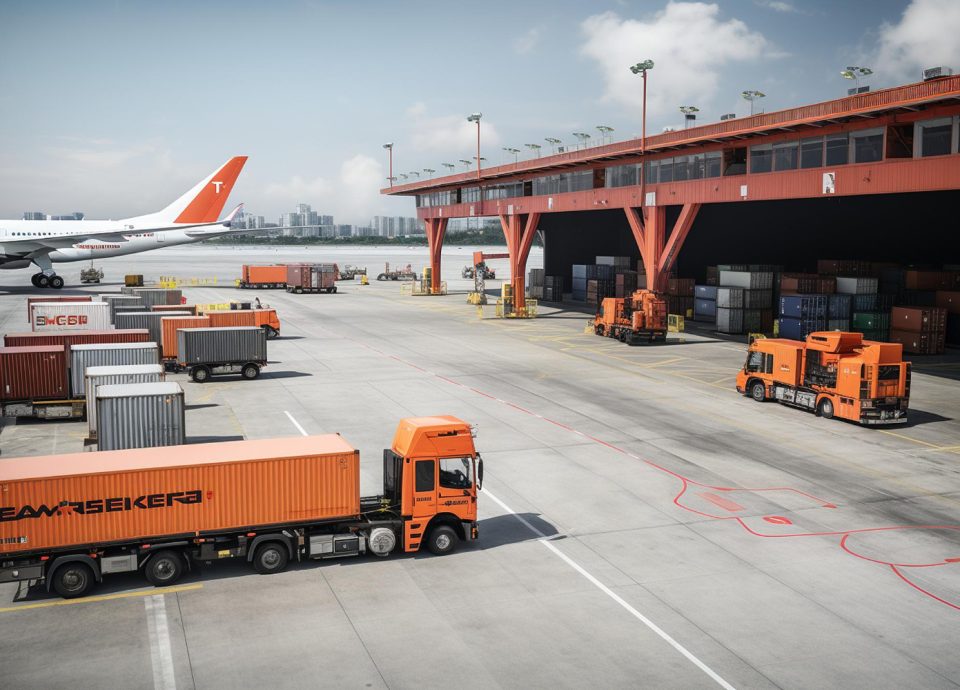
Shipping a box from one part of Canada to another can involve more planning than simply choosing a carrier and entering a destination address. Distance, package dimensions, weight, delivery speed, packaging, pickup requirements, destination, and handling needs can all influence the transportation method and overall cost. Individuals may need to move personal belongings between provinces, movers may be transporting several boxes during a relocation, and eCommerce businesses may need to send products to customers across the country on a regular basis. Each situation can require a different approach. Understanding the available transportation methods before booking can make it easier to balance cost, timing, and shipment requirements. For many domestic routes, ground shipping canada can be considered when the shipment does not require air transportation and the delivery timeframe allows for road transport.
Understanding Shipping Across Canada
Canada covers a large geographic area, so transportation requirements can vary considerably depending on where a shipment starts and where it needs to go. A box moving between two nearby cities may have a much shorter journey than one travelling between Ontario and British Columbia.
Choosing the Right Shipping Method
The appropriate shipping method depends on several factors, including the type of item being transported, its size and weight, the distance involved, and how quickly it needs to arrive. Standard ground transportation can be suitable for many household items, business packages, and eCommerce shipments when there is enough flexibility around the delivery date.
Air transportation may be considered when a shipment needs to cover a long distance within a shorter timeframe. Certain urgent shipments may also require more specialised transportation arrangements. Rather than automatically choosing the fastest option, we recommend first identifying the actual delivery deadline and then comparing transportation methods that can realistically meet it.
Standard and Expedited Delivery
Standard delivery can be a practical choice when the shipment is not time sensitive. Individuals moving personal belongings may be able to plan several days ahead, while businesses may have regular orders that can follow an established delivery schedule.
Expedited delivery is more relevant when timing is important. A business may need a replacement component to keep an operation running, or an individual may need an important package delivered quickly. The additional cost of expedited transportation should be compared with the consequences of waiting for a standard delivery option.
How to Ship Boxes Across Canada
Knowing how to ship boxes across canada involves more than selecting a transportation provider. The way a box is prepared can affect its safety during handling, its final dimensions, and sometimes the overall transportation cost.
Prepare the Box Correctly
A strong box that is suitable for the weight and size of its contents provides a better starting point for transportation. Fragile items should be individually protected, while heavier objects should be placed in packaging that can support their weight without becoming damaged.
It is also important to prevent excessive movement inside the box. Empty spaces can allow items to shift during handling, while overfilling can place too much pressure on the box and its seams. Using suitable cushioning and closing the package securely can help protect the contents throughout the journey.
Follow a Consistent Packing Process
A simple packing routine can make preparation easier, particularly for businesses that send multiple packages.
Choose suitable packaging: Select a strong box that can support the contents without becoming crushed or damaged during normal handling.
Protect fragile contents: Wrap delicate items separately and use suitable cushioning to reduce movement and contact between individual items.
Fill empty spaces: Add appropriate packing material around the contents so they remain stable instead of moving freely inside the box.
Seal the package securely: Use suitable packing tape and make sure all openings are properly closed before the shipment is collected.
Check measurements: Measure the completed package and confirm its weight before arranging transportation so the shipping information is accurate.
Apply clear labels: Make sure the delivery address and other required information are easy to identify, and remove old shipping labels from reused boxes.
Following these steps can help reduce avoidable packaging problems and make it easier to provide accurate information when requesting a transportation quote.
Understanding Shipping Costs
Shipping costs across Canada can vary significantly because providers consider several characteristics when calculating the price of a shipment. The same destination can have different costs depending on the size, weight, urgency, and handling requirements of the package.
Weight and Package Dimensions
Weight is one of the most obvious factors affecting shipping costs, but package dimensions can also play an important role. A large box that weighs very little can still occupy considerable space in a vehicle or cargo area.
For this reason, we recommend measuring and weighing packages accurately before requesting a quote. Using an unnecessarily large box can increase the space required for transportation, while inaccurate weight information can result in a difference between an initial estimate and the final charge.
Distance and Destination
The distance between the pickup and delivery points is another major consideration. A shipment travelling a short distance within one province will generally have different transportation requirements from one travelling across several provinces.
The destination can also affect transportation planning. Major urban centres may have more frequent transportation options, while remote areas may require additional planning. Businesses and individuals should therefore provide the complete pickup and delivery information when comparing costs.
Other factors, such as delivery urgency, number of packages, special handling, waiting time, and pickup access, can also influence the final price.
Finding the Cheapest Way to Ship Boxes Across Canada
People searching for the cheapest way to ship boxes across canada should avoid comparing prices without considering the service included in each quote. A low price may represent a slower service, while a higher price may include a faster delivery timeframe or additional handling.
Compare Similar Services
The most useful price comparison involves shipments with similar requirements. For example, comparing standard ground transportation with an expedited service does not provide a direct cost comparison because the delivery expectations are different.
When reviewing quotes, check whether pickup, delivery, handling, additional stops, waiting time, oversized packages, and special requirements are included. Understanding these details can help identify the actual cost rather than relying only on an initial advertised rate.
Practical Ways to Reduce Costs
There are several ways individuals and businesses can manage transportation expenses without compromising the safety of their shipments.
Use appropriately sized packaging: A box that is much larger than the contents can take up unnecessary transportation space and may increase costs.
Consolidate shipments where practical: Combining several suitable items into fewer packages may reduce the number of individual shipments that need to be transported.
Measure packages accurately: Correct dimensions and weight help create more accurate quotes and reduce the risk of unexpected adjustments.
Plan ahead: When a shipment does not have an urgent deadline, allowing more time can provide access to standard transportation options rather than requiring expedited service.
Compare delivery methods: Review standard ground, expedited, and air options according to the actual delivery deadline rather than automatically choosing the fastest method.
These steps can help customers make cost comparisons based on the complete shipment rather than focusing only on the lowest initial quote.
Transit Times for Cross Country Shipping
Transit times depend on the distance travelled, transportation method, destination, shipment volume, weather, road conditions, and other factors. A delivery schedule should therefore be based on the actual route and service selected.
Planning Around Delivery Deadlines
When arranging cross country shipping, it is useful to work backwards from the date the package needs to arrive. Consider when the shipment will be ready, how long pickup arrangements may take, and which transportation method can reasonably meet the deadline.
Businesses should also consider weekends, holidays, seasonal demand, and unexpected transportation disruptions when shipping important items. If a shipment is tied to a business appointment, customer commitment, installation, or repair, allowing additional time can provide more flexibility.
Ground Transportation Timelines
Ground transportation can be suitable for many domestic shipments when there is enough time for road transportation. It may be particularly practical for boxes, household items, and business shipments that do not require immediate delivery.
Longer routes naturally require more transportation time, and weather can also influence road conditions. Winter storms, heavy snowfall, road closures, and other regional conditions can affect travel across Canada, making realistic planning especially important during certain seasons.
Air Transportation for Longer Routes
Air transportation provides another option when a shipment needs to travel a significant distance within a shorter timeframe. It can be useful for urgent business shipments and other situations where standard ground transportation may not meet the required deadline.
When Air Freight Makes Sense
Air freight may be appropriate for time sensitive commercial shipments, replacement components, urgent products, or other items that need to reach a distant destination quickly.
Businesses should consider the shipment’s weight, dimensions, destination, deadline, and handling requirements before choosing an air option. For shipments that extend beyond domestic transportation, international air freight may also be relevant when the route and shipment requirements call for international transportation.
Dedicated Air Cargo Options
Some shipments have requirements that cannot easily be met through a standard freight arrangement. Highly urgent cargo, specialised commercial shipments, or shipments requiring a more direct transportation approach may need additional planning.
A cargo charter flight may be considered for certain specialised transportation requirements. This type of option should be evaluated based on the urgency, cargo characteristics, route, availability, and overall transportation objectives rather than simply selecting it because it is faster.
Packaging Tips for Safe Delivery
Proper packaging remains important regardless of the transportation method selected. Boxes may pass through different stages of handling before reaching their destination, so the packaging should be appropriate for the contents and journey.
Protect Fragile Items
Fragile products such as glassware, electronics, ceramics, and delicate equipment may require additional protection. Each item should be wrapped appropriately and separated from other contents when necessary.
Heavier items should generally be placed below lighter items, while fragile contents should be kept away from the outside walls of the box. The goal is to minimise movement and reduce the likelihood of direct impact during normal transportation handling.
Label Boxes Clearly
Accurate labelling helps ensure that the package can be identified and directed to the correct destination. Check the recipient’s address carefully and include any required contact information.
When reusing a box, remove or completely cover previous shipping labels. If the shipment has specific handling instructions, make sure they are clearly visible and appropriate for the contents.
Shipping for eCommerce Businesses
eCommerce businesses often have regular shipping requirements because transportation is closely connected to customer orders and fulfilment operations. Delivery costs and timing can therefore influence the overall customer experience.
Managing Customer Expectations
Businesses should provide realistic delivery windows based on the transportation method and destination. Promising an unnecessarily short timeframe can create problems if the shipment experiences normal delays during transportation.
Accurate package information can also help businesses calculate shipping charges more effectively. Standardising common box sizes and packaging methods can make it easier to estimate costs and prepare orders consistently.
Managing Higher Shipping Volumes
As an eCommerce business grows, shipping processes may need to become more organised. Establishing standard procedures for packaging, labels, measurements, and shipment information can reduce errors.
It can also be useful to monitor which destinations and products generate higher transportation costs. Reviewing this information may help businesses identify opportunities to consolidate shipments, adjust packaging, or select different delivery methods.
Cross Border Shipping From Canada
Although this guide focuses on domestic transportation, Canadian businesses and individuals may also need to send packages into the United States. These shipments involve additional considerations because they cross an international border.
Customs Documentation
Accurate documentation is important for international shipments. Information about the sender, recipient, contents, value, and shipment purpose may need to be provided as part of the customs process.
Incomplete or inaccurate information can contribute to delays. Businesses that regularly ship internationally should establish a consistent process for preparing the required shipment information.
Planning for Border Processing
Cross border transportation involves more than calculating the road distance between two locations. Customs processing, border conditions, documentation, and shipment characteristics can all affect the overall delivery timeline.
Businesses should therefore allow realistic time for border processing instead of assuming that the transportation time will be based only on driving distance. For shipments between Canada and the United States, reviewing cross border shipping considerations can help with planning.
A Practical Shipping Checklist
Before sending a box across Canada, review the shipment from preparation through final delivery. This can help identify missing information before transportation begins.
Details to Confirm Before Pickup
Package weight: Confirm the actual weight of the completed shipment so the transportation quote is based on accurate information.
Package dimensions: Measure the length, width, and height of each package after it has been fully packed and sealed.
Pickup address: Verify the complete pickup location and provide any access information that may be needed.
Delivery address: Check the destination carefully to reduce the risk of address related delays.
Delivery deadline: Clearly identify when the shipment needs to arrive so the appropriate transportation method can be considered.
Handling requirements: Identify fragile, sensitive, oversized, or otherwise specialised items before arranging transportation.
Contact details: Provide accurate sender and recipient contact information so communication is possible if clarification is needed.
Review the Transportation Quote
Once the shipment information is ready, compare transportation options according to the same requirements. Look at the total expected cost, estimated delivery timeframe, and service conditions.
Do not automatically select the lowest quote. A slightly different transportation option may provide a better balance between cost and timing, depending on how urgent the shipment is and what level of handling it requires.
Making the Right Shipping Decision
Choosing a transportation method becomes easier when the shipment is assessed according to its actual requirements rather than a general assumption about what is cheapest or fastest.
Match the Method to the Shipment
A box containing non urgent household items may be well suited to standard ground transportation. An urgent business component travelling across the country may require a faster option.
The size and weight of the shipment also matter. A few small boxes can have very different transportation requirements from several large household packages. Understanding these differences helps individuals and businesses select an appropriate service.
Consider Future Shipping Needs
Businesses should also consider whether their transportation requirements are likely to change. An eCommerce company may gradually increase its order volume, while a business that currently ships locally may eventually need national or international transportation.
Reviewing shipment volumes, common destinations, delivery deadlines, and package types can help businesses develop a more consistent transportation process. This can also make future cost comparisons easier because the business has a clearer understanding of what it regularly needs.
Conclusion
Shipping boxes across Canada requires careful consideration of transportation methods, packaging, costs, delivery timelines, and shipment requirements. There is no single option that will be the best choice for every parcel, household move, or business shipment.
Ground transportation can be practical when the delivery timeframe allows for road travel, while air transportation may be more suitable when distance and urgency are major considerations. Proper packaging remains important regardless of the method because boxes need to withstand normal handling throughout the journey.
For individuals, movers, and eCommerce businesses, comparing the complete service rather than focusing only on price can lead to better decisions. Accurate package measurements, realistic delivery expectations, and suitable packaging can also help reduce avoidable costs and delays.
We recommend starting with the shipment itself. Identify its size, weight, destination, deadline, handling requirements, and budget before comparing transportation options. For businesses with more specialised or time sensitive requirements, understanding different transportation methods can make it easier to determine which approach is appropriate.
FAQs
What is the best way to ship boxes across Canada?
The best option depends on the package size, destination, deadline, and budget. Ground and air transportation may both be suitable.
How can I reduce shipping costs?
Use suitable packaging, measure packages accurately, consolidate shipments where practical, and compare delivery options.
Does box size affect shipping costs?
Yes. Package dimensions and weight can both affect the overall transportation cost.
How long does cross country shipping take?
Transit times vary based on distance, transportation method, destination, weather, and delivery requirements.
Is air shipping faster than ground shipping?
Air transportation can be faster for long distances, but the actual timeframe depends on the route and shipment requirements.