Handling expedited freight services across the border requires careful coordination, accurate documentation, and a solid understanding of regulations. Businesses that rely on expedited freight services often operate under tight deadlines, where even a small oversight can create delays. While expedited freight services are designed to move goods quickly, mistakes in planning or execution can slow shipments and increase cross border shipping risks.
This article explores five common cross-border freight errors and explains practical ways to prevent them while maintaining efficiency.
1. Incomplete or Incorrect Documentation
Documentation plays a central role in cross-border shipping. Customs authorities depend on accurate paperwork to verify shipments, determine duties, and ensure compliance with regulations. When details are missing or incorrect, shipments are often held for further inspection.
Errors such as incorrect product descriptions, inaccurate declared values, or missing invoices can create unnecessary complications. These issues are more likely to occur when shipments are processed quickly without proper verification.
A more effective approach is to treat documentation as a critical step rather than a routine task. Reviewing details carefully before dispatch and maintaining consistent formats for paperwork can help reduce errors and improve processing times at the border.
2. Ignoring Customs Regulations and Compliance Requirements
Cross-border freight involves a complex set of rules that differ depending on the type of goods and their destination. Businesses sometimes overlook these requirements, especially when dealing with urgent cargo, assuming that speed takes priority over compliance in expedited ground transport.
This can lead to shipments being stopped at the border, additional inspections, or financial penalties. In fast freight Canada US operations, these disruptions can affect supply chains and customer expectations.
Staying informed about current regulations and ensuring proper classification of goods is essential. Working with professionals who understand both Canadian and US customs systems can also help prevent compliance-related delays.
3. Poor Communication Between Stakeholders
Efficient logistics depends on clear and timely communication between all parties involved. When coordination breaks down, even well-planned shipments can face delays.
Miscommunication may involve incorrect pickup schedules, unclear delivery instructions, or missing updates about shipment status. In time-sensitive situations, these issues can quickly disrupt the entire process.
Establishing reliable communication channels and ensuring that all stakeholders have access to the same information improves coordination. Consistency in updates and clarity in instructions can significantly reduce confusion during transit.
4. Underestimating Transit Times and Border Delays
One of the most common urgent cargo mistakes is assuming that expedited shipping guarantees uninterrupted movement. While these services prioritize speed, external factors can still affect delivery timelines.
Border crossings may involve inspections, traffic congestion, or verification processes that are not always predictable. These variables can extend transit times, even when everything else is planned correctly.
Key Factors That Affect Transit Efficiency
Border congestion
High traffic volumes at major crossings can slow down shipments, particularly during peak periods.Inspection requirements
Certain types of goods are more likely to be inspected, which can add extra time to the process.Documentation review
If paperwork needs additional verification, clearance times may increase.
Recognizing these factors in advance allows businesses to set more realistic delivery expectations and reduce disruptions.
5. Choosing the Wrong Transportation Strategy
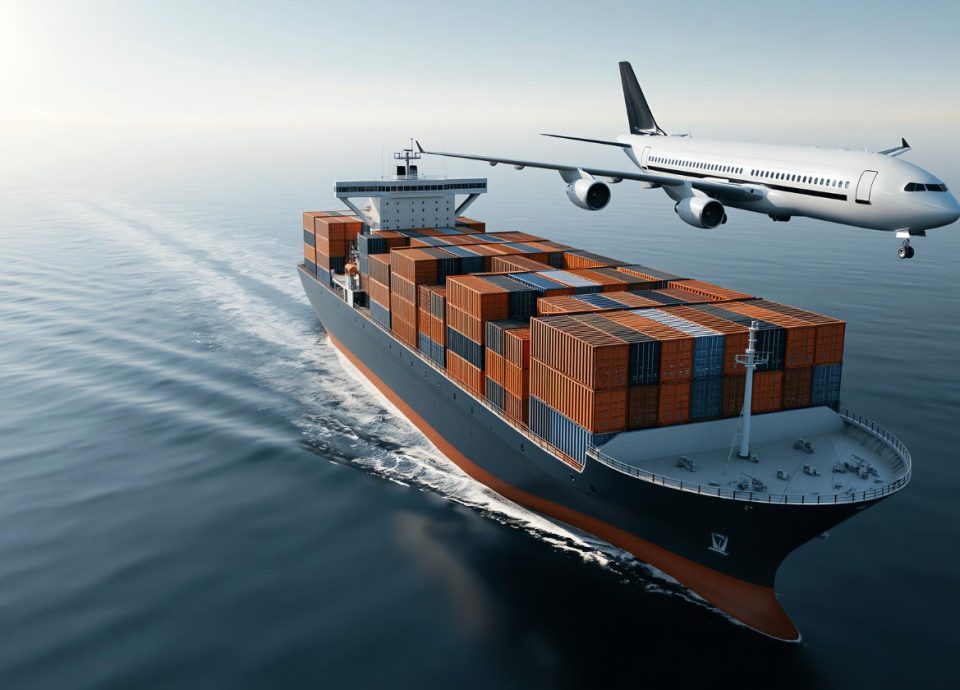
Selecting the right logistics approach is essential for successful cross-border shipping. Not all shipments require the same method, and using an unsuitable strategy such as defaulting to international air freight when it may not be necessary can lead to inefficiencies.
For example, relying on standard shipping methods for urgent deliveries or choosing carriers without cross-border expertise can result in missed deadlines. Similarly, poor route planning can expose shipments to avoidable delays.
Steps to Select the Right Freight Strategy
Assess urgency and timelines
Understanding how quickly a shipment must arrive helps determine the most suitable service level.Consider the nature of the cargo
Different types of goods may require specific handling, documentation, or transport conditions.Work with experienced carriers
Carriers familiar with cross-border operations are better equipped to handle regulatory and logistical challenges.Plan routes carefully
Choosing efficient routes reduces exposure to congestion and delays.Track shipments consistently
Monitoring progress allows for quick responses if issues arise during transit.
Understanding Cross Border Shipping Risks
Cross-border logistics involves multiple layers of coordination and regulation. Without proper planning, businesses may encounter delays, increased costs, or compliance issues.
These risks often stem from a lack of preparation or incomplete understanding of the process. By focusing on accuracy, communication, and informed decision-making, businesses can improve reliability and maintain smoother operations.
Practical Tips for Avoiding Freight Errors
Strengthen internal processes to ensure documentation accuracy and consistency
Use digital systems that provide visibility into shipment status and documentation
Maintain clear coordination between all parties involved in the shipment
These measures support better decision-making and help reduce disruptions in time-sensitive freight operations.
Conclusion
Managing cross-border shipments effectively requires balancing speed with accuracy and compliance. While a cargo charter flight can meet urgent demands, it still depends on proper planning and execution.
Avoiding common mistakes such as documentation errors, regulatory oversights, communication gaps, unrealistic expectations, and poor logistics planning can significantly improve outcomes. A structured and informed approach helps reduce delays and ensures smoother cross-border operations.
FAQ
What are common cross-border freight errors?
Common errors include incorrect documentation, lack of compliance with customs regulations, and poor communication between stakeholders.
How can businesses reduce cross border shipping risks?
By ensuring accurate paperwork, staying informed about regulations, and improving coordination across all parties involved.
Why is documentation important in cross-border freight?
Documentation is essential for customs clearance and helps authorities verify shipments quickly and accurately.
What affects fast freight Canada US delivery times?
Delivery times can be influenced by inspections, congestion at border crossings, and the accuracy of shipment details.
How can urgent cargo mistakes be avoided?
Careful planning, clear communication, and attention to compliance requirements can help prevent delays and disruptions.