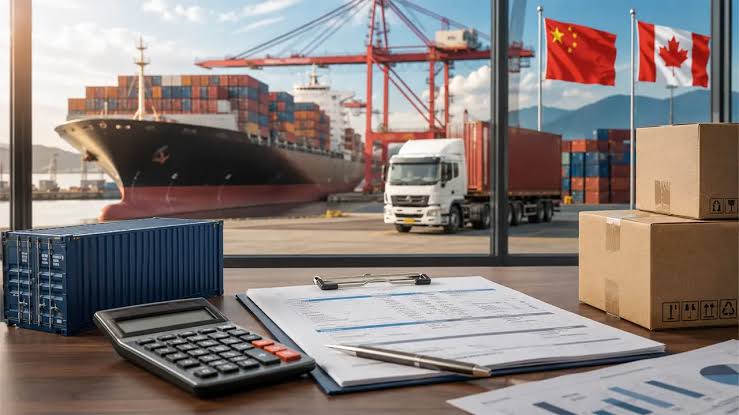
Cargo Shipping plays an important role in transporting goods quickly and efficiently across Canada and international destinations. Businesses rely on Cargo Shipping to move inventory, medical supplies, manufacturing equipment, and time sensitive products, while individuals often use these services for personal shipments, relocation items, or urgent deliveries. Understanding how the process works can help shippers prepare documentation, manage timelines, and choose the right transportation solutions for their needs.
Modern transportation networks allow shipments to move between cities and countries with greater speed and coordination than traditional ground transportation alone. Air freight services support industries that require reliable delivery schedules and secure handling procedures. From shipment booking to customs clearance and final delivery, every stage of the process contributes to successful transportation outcomes.
This guide explains how air canada cargo services operate for both businesses and individuals, including the steps involved in shipping goods, common requirements, and the role of air cargo logistics in modern transportation systems.
Understanding Air Freight Transportation
Air freight transportation involves moving goods through commercial aircraft or dedicated cargo planes. This method is commonly chosen for shipments that require faster delivery times compared to ground or ocean transportation.
For businesses, air freight can support supply chain operations by reducing delays and helping maintain inventory levels. Individuals may use air freight services when shipping valuable, urgent, or long distance items.
Unlike standard parcel shipping, cargo transportation often involves additional handling procedures, security inspections, and documentation requirements. The process is designed to ensure shipments are transported safely and efficiently while meeting aviation and customs regulations.
Types of Goods Commonly Transported
Different types of cargo move through Canadian air freight systems every day. Shipments may vary in size, weight, and handling requirements depending on the industry or personal need.
Commercial Shipments
Businesses frequently transport products such as:
Manufacturing parts
Industrial operations often require quick transportation of equipment components to avoid production delays.Retail inventory
Retailers may use air freight to restock seasonal or high demand products quickly.Medical supplies
Hospitals and healthcare providers sometimes depend on rapid shipment of medical equipment and pharmaceuticals.Technology products
Electronics and specialized devices may require secure and time sensitive transportation.
Personal Shipments
Individuals may ship:
Household belongings during relocation
Important personal documents
Valuable items requiring secure transport
Time sensitive packages for family or business purposes
Each shipment category may require different packaging, documentation, and handling procedures.
The Cargo Shipping Process Explained
Understanding the shipping process helps businesses and individuals prepare their goods properly before transportation begins.
Shipment Booking
The process usually begins with scheduling the shipment. Information provided during booking often includes:
Shipment dimensions and weight
Pickup and destination locations
Type of goods being transported
Delivery timeline requirements
Special handling instructions
Accurate shipment details help transportation providers determine cargo space requirements and handling procedures.
Packaging and Preparation
Proper packaging is essential for protecting goods during transit and can also help manage overall freight cost. Cargo may pass through several handling points before reaching its final destination.
Strong packaging materials help reduce the risk of damage caused by movement, stacking, or environmental conditions. Efficient packaging can also lower freight cost by improving space utilization and reducing the chances of additional handling fees. Fragile items may require additional protective materials or special labeling.
Certain shipments must also comply with transportation regulations related to hazardous materials, perishables, or temperature sensitive goods, as non-compliance may increase freight cost due to delays, penalties, or special handling requirements.
Documentation Requirements
Documentation plays a major role in air freight transportation. Missing or inaccurate paperwork can result in delays during transit or customs processing.
Common shipping documents may include:
Air waybills
These serve as transportation agreements and shipment tracking records.Commercial invoices
International shipments often require invoices describing the goods and declared value.Customs documentation
Cross border shipments may need import or export paperwork depending on the destination country.Special permits or certifications
Some goods require additional approvals before transportation.
Businesses involved in international trade often work closely with logistics providers to ensure documentation accuracy.
Security Screening and Inspection
Air freight shipments must pass through security procedures before loading onto aircraft. Aviation regulations require inspections to help maintain transportation safety.
Security checks may involve:
X ray screening
Physical cargo inspections
Verification of shipment contents
Documentation review
These procedures help confirm that shipments meet transportation safety standards and regulatory requirements.
Cargo Handling at Transportation Facilities
After inspection, shipments move through cargo handling facilities before departure. Cargo terminals organize shipments based on destination, aircraft schedules, and handling requirements.
Storage and Sorting
Goods may be temporarily stored before loading onto aircraft. Temperature controlled storage areas are often used for pharmaceuticals, perishables, or sensitive materials.
Sorting procedures help ensure shipments are routed correctly and loaded according to flight schedules.
Aircraft Loading
Cargo loading requires careful planning to maintain aircraft balance and maximize available space. In many cases, businesses also compare air freight services with ground shipping Canada solutions based on delivery timelines and shipment requirements. Different shipments may require special positioning depending on size, weight, or fragility.
Experienced cargo handling teams follow strict safety procedures during loading and unloading operations to support efficient cargo movement and maintain service reliability alongside ground shipping Canada operations.
Transportation and Transit
Once loaded, shipments travel to their destination through scheduled flight routes. Depending on the shipment destination, cargo may move directly or pass through connecting transportation hubs.
Transit times vary based on:
Distance between locations
Flight schedules
Weather conditions
Customs processing requirements
Type of service selected
Businesses often choose air canada cargo solutions when shipment speed is important for operational continuity or customer delivery expectations.
Customs Clearance for International Shipments
International cargo shipments must pass through customs clearance procedures before entering another country.
Customs officials review shipment information to confirm compliance with import regulations and tax requirements.
Common Customs Requirements
Customs agencies may require:
Accurate shipment descriptions
Declared item values
Country of origin information
Import permits for restricted goods
Delays can occur if documents are incomplete or if inspections are required.
Working with experienced transportation professionals can help businesses manage customs procedures more efficiently.
Final Delivery and Pickup
After arrival at the destination airport, shipments move to cargo handling facilities for sorting and release.
Depending on the service arrangement, shipments may be:
Picked up directly by the recipient
Some cargo shipments are collected from airport cargo terminals.Delivered to the final destination
Ground transportation services may complete the final stage of delivery.
Businesses often coordinate local transportation to move goods from cargo facilities to warehouses, stores, or distribution centres.
Benefits of Air Freight Transportation
Air freight services provide several advantages for businesses and individuals shipping goods over long distances.
Faster Delivery Times
Air transportation significantly reduces travel time compared to ground or ocean shipping. This is especially important for urgent or time sensitive deliveries.
Reliable Scheduling
Flight schedules allow businesses to plan inventory management and product distribution more accurately.
Improved Security
Cargo facilities and aviation regulations involve multiple security procedures that help protect shipments during transit.
Support for Long Distance Shipping
Air freight allows goods to move efficiently between provinces and international destinations.
Challenges Businesses and Individuals Should Consider
While air freight offers speed and reliability, there are also factors shippers should evaluate before selecting transportation services.
Higher Transportation Costs
Air freight generally costs more than ground or ocean transportation due to fuel expenses, handling procedures, and aircraft operating costs.
Weight and Size Restrictions
Aircraft cargo capacity may limit oversized or extremely heavy shipments.
Weather Related Delays
Severe weather conditions can occasionally affect flight schedules and delivery timelines.
Documentation Complexity
International shipments often involve detailed customs paperwork and regulatory requirements.
Understanding these factors helps shippers prepare more effectively and avoid unexpected delays.
The Role of Air Cargo Logistics
Air cargo logistics involves coordinating every stage of shipment movement from pickup to final delivery. Logistics planning helps businesses manage transportation efficiency, inventory timing, and supply chain operations.
Route Coordination
Logistics teams evaluate transportation routes to improve delivery speed and reduce delays.
Shipment Tracking
Tracking systems provide updates throughout the shipping process, helping businesses and individuals monitor cargo movement.
Inventory Support
Businesses use logistics planning to maintain inventory levels and reduce supply chain interruptions.
Emergency Transportation Solutions
Some shipments require urgent transportation due to equipment failures, medical emergencies, or operational disruptions. In these situations, air Canada cargo shipping services may assist with time sensitive delivery coordination and faster transportation solutions.
Sprinter Emergency Transport Inc works within transportation networks that support urgent cargo movement and specialized delivery requirements when rapid coordination is necessary, including support related to air Canada cargo shipping operations.
Tips for Preparing a Successful Shipment
Careful preparation can help reduce delays and improve shipment handling efficiency.
Use Accurate Shipment Information
Incorrect dimensions, weights, or product descriptions may create processing issues during transportation.
Package Goods Securely
Strong packaging helps protect items during handling and transit.
Verify Documentation Early
Review customs forms and shipping paperwork before the shipment date.
Understand Restricted Item Policies
Certain goods may require special approval or may not qualify for air transportation.
Plan for Delivery Timing
Allow additional time for customs clearance or weather related disruptions when scheduling important shipments.
Conclusion
Air freight transportation supports businesses and individuals who require fast and reliable shipment services across Canada and international destinations. From booking and packaging to customs clearance and final delivery, each stage of the Cargo Shipping process plays an important role in ensuring goods arrive safely and efficiently. In certain urgent or specialized situations, businesses may also consider air charter freight services for greater scheduling flexibility and direct transportation options.
Understanding how air canada cargo operations function can help shippers prepare documentation, select suitable transportation options, and manage delivery expectations more effectively. Air cargo logistics continues to support industries that depend on time sensitive transportation, while air charter freight solutions can assist with high priority or specialized shipments. These services also provide individuals with reliable shipping solutions for personal needs.
As transportation demands continue to grow, organized logistics planning, proper shipment preparation, and access to dependable air charter freight services remain essential for successful cargo movement in Canadian and international markets.
FAQ
What types of goods can be shipped through air freight services?
Air freight services commonly transport retail products, medical supplies, industrial equipment, personal belongings, electronics, and urgent documents.
How long does air cargo transportation usually take?
Transit times depend on the destination, customs processing, and flight schedules. Domestic shipments are often faster than international deliveries.
Are there restrictions on what can be transported by air?
Yes. Hazardous materials, oversized goods, and restricted items may require special approval or handling procedures.
Why is documentation important for international shipping?
Accurate paperwork helps customs officials process shipments efficiently and reduces the risk of delays.
Can individuals use cargo shipping services for personal items?
Yes. Individuals often use air freight services for relocation items, urgent packages, valuable goods, and long distance personal shipments.