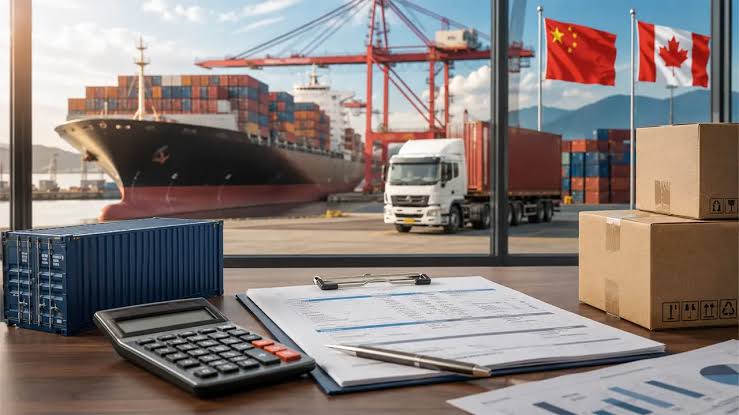
Cross-Canada shipping can be a major consideration for online sellers, small businesses, and companies managing regular customer deliveries. With Canada covering a large geographic area, shipping costs can vary significantly depending on package size, destination, delivery speed, and transportation requirements. Businesses that send products between provinces need to understand how pricing works to make informed decisions and protect profit margins.
Finding affordable Cross Canada Shipping options involves more than choosing the lowest available rate. Factors such as carrier selection, packaging methods, shipment frequency, tracking requirements, and delivery expectations all influence the final cost. A package travelling from one province to another may require different planning compared with local deliveries, especially when serving customers across multiple regions.
For online sellers and small businesses, controlling shipping expenses can improve competitiveness while maintaining reliable service. By comparing shipping methods, reducing unnecessary packaging costs, and understanding pricing factors, businesses can create a more efficient delivery strategy. Whether managing occasional parcels or regular commercial shipments, a practical approach to domestic shipping can help reduce expenses without affecting customer expectations.
Understanding Cross Canada Shipping Costs
Shipping costs across Canada are influenced by several factors. Unlike local deliveries, long-distance shipments often involve multiple transportation stages, which can affect pricing and delivery schedules.
The distance between the sender and receiver is one of the most obvious factors. Deliveries between nearby provinces may require fewer transportation resources, while shipments travelling across the country may involve longer routes and additional handling.
Package characteristics also play an important role. Carriers often consider both weight and dimensions when calculating shipping rates. A lightweight package with large dimensions may still cost more because it occupies significant transportation space.
Businesses should evaluate these factors before selecting a shipping option. Understanding how pricing is calculated allows sellers to identify areas where changes can reduce expenses.
Comparing Domestic Shipping Options
Different shipping services provide different advantages depending on business requirements. Some businesses prioritize low costs, while others need faster delivery, detailed tracking, or specialized handling.
Standard shipping options are commonly used for non-urgent deliveries because they generally provide more affordable rates. These services can be suitable for businesses that want to keep transportation costs under control while still providing dependable delivery. For urgent or high-value shipments, a cargo charter flight may be a suitable option, offering faster and more flexible transportation when time is critical, although it typically involves higher costs. Businesses should consider whether customers genuinely require the speed of a cargo charter flight or whether a standard shipping service is sufficient to meet delivery expectations.
Comparing multiple services before shipping can help businesses avoid paying for unnecessary features.
Key Factors That Affect Shipping Prices
Package size and weight: The dimensions and weight of a shipment can significantly influence transportation costs. Businesses can reduce expenses by selecting appropriate packaging sizes and avoiding unnecessary materials that increase shipment volume.
Shipping destination: The final delivery location affects transportation distance and route requirements. Deliveries between major cities may have different pricing compared with shipments going to remote or less accessible areas.
Delivery timeframe: The required delivery speed can affect the final price. Planning shipments in advance allows businesses to select more affordable options instead of relying on urgent services.
How Businesses Can Find the Cheapest Shipping Within Canada
Many online sellers search for the cheapest shipping within Canada because delivery expenses can directly affect product pricing and customer satisfaction. However, the lowest price option is not always the best choice for every shipment.
Businesses should compare rates based on their regular shipment patterns rather than evaluating only individual packages. A service that works well for small parcels may not be the most economical option for larger orders.
Reviewing shipment history can help identify common destinations, package sizes, and delivery requirements. This information allows businesses to create a more effective shipping strategy.
Carrier Comparison and Service Selection
Choosing the right shipping provider requires evaluating more than price alone. Reliability, delivery coverage, tracking options, and customer support can also influence the overall value of a service.
Online sellers should consider what their customers expect. Some buyers may prefer lower delivery costs even if shipping takes longer, while others may value faster arrival times.
Businesses can benefit from comparing services regularly because pricing structures and delivery options may change over time. Reviewing available choices helps ensure that shipping methods continue to match business needs.
Optimizing Packaging for Lower Shipping Expenses
Packaging shipping practices have a direct effect on transportation costs. Poor packaging decisions can increase expenses through unnecessary size, additional weight, or product damage.
The goal of effective packaging is to protect products while avoiding excess materials. A properly sized package can reduce wasted space and may help lower transportation charges.
Businesses should also create consistent packaging procedures for frequently shipped products. Standardized methods can improve efficiency and reduce preparation time.
Three Packaging Strategies That Help Reduce Costs
Select suitable package sizes
Using oversized boxes can increase shipping charges because carriers may calculate costs based on dimensions. Choosing packaging that matches the product size helps avoid unnecessary space.
Reduce unnecessary materials
Heavy packaging materials can increase shipment weight. Using lightweight protective materials can help maintain product safety while keeping costs manageable.
Prepare shipments consistently
A clear packaging process helps businesses avoid mistakes and improve efficiency. Consistent preparation also makes it easier to estimate shipping expenses.
The Importance of Shipping Volume for Businesses
Shipment volume can influence the available options for reducing costs. Businesses that send regular orders may have more opportunities to improve their shipping approach.
Frequent shipments allow sellers to identify patterns and make decisions based on actual data. For example, a business may discover that most orders fall within similar weight ranges or travel to common regions.
Understanding these patterns can help businesses select more suitable services and improve packaging decisions.
Small businesses should also review their shipping needs as they grow. A method that works for occasional orders may not remain practical when shipment numbers increase.
Balancing Shipping Speed and Cost
Delivery speed is an important factor in customer satisfaction, but expedited ground transport is not always necessary for every shipment. Many customers are willing to accept longer delivery times when shipping costs are reasonable. Businesses can provide different delivery choices so customers can select based on their own priorities.
For sellers, offering multiple options, including expedited ground transport, can help balance affordability and convenience. Standard delivery may work for most orders, while faster options can remain available for customers with urgent requirements.
Reducing Shipping Expenses Through Better Planning
Planning plays an important role in controlling delivery costs. Last-minute shipping decisions often limit available options and may result in higher expenses.
Businesses can reduce costs by preparing orders efficiently, maintaining appropriate packaging supplies, and reviewing delivery schedules.
Inventory management also affects shipping efficiency. Products that are organized and ready for dispatch can move through the shipping process more smoothly.
Better planning creates a more predictable delivery system and helps businesses avoid unnecessary costs.
The Role of Parcel Services for Local and Regional Deliveries
While Cross Canada Shipping focuses on nationwide transportation, local delivery needs should also be considered. Businesses often require a reliable parcel service near me for nearby customers and regional orders.
Local shipping solutions can sometimes provide more affordable options for shorter distances. Choosing the right service depends on whether the shipment is travelling locally, regionally, or across the country.
Businesses that serve different customer areas may need a combination of shipping methods rather than relying on a single option.
Managing Customer Expectations
Affordable shipping is only valuable when it meets customer expectations, especially for cross-border freight shipping, where delivery times and customs processes can affect transit schedules. Clear communication about estimated delivery times, tracking availability, shipping costs, and any potential customs-related delays can improve the customer experience. Online sellers should provide accurate shipping information before customers complete their purchases. Unexpected delays, unclear costs, or insufficient updates during cross-border freight shipping can lead to customer dissatisfaction. A balanced shipping strategy considers both affordability and reliability to support a positive international delivery experience.
Technology and Shipping Management
Technology can help businesses monitor shipping expenses and improve decision-making. Digital tools can track shipments, compare services, organize order information, and review delivery performance.
Analyzing shipping data allows businesses to identify trends and areas for improvement.
For example, sellers may discover that certain packaging methods consistently create higher costs or that some delivery routes are more expensive than expected.
Using accurate information supports better shipping decisions.
Working With Logistics Providers
For businesses managing frequent transportation needs, logistics providers can offer support with planning, coordination, and shipment management.
Sprinter Emergency Transport Inc operates within the transportation industry, where organized freight movement and reliable delivery coordination are important considerations for businesses.
The right logistics approach depends on shipment requirements, delivery locations, package types, and business goals.
Businesses should evaluate their transportation needs carefully before selecting a service arrangement.
Common Mistakes That Increase Shipping Costs
Some shipping expenses occur because of avoidable errors.
Using incorrect package information, selecting unnecessary delivery speeds, ignoring packaging optimization, or failing to compare options can increase costs.
Businesses should regularly review their shipping process to identify improvements.
Small changes, such as adjusting package sizes or improving order preparation, can create meaningful savings over time.
Creating a Long-Term Shipping Strategy
A successful shipping approach should support both current needs and future growth.
Online sellers and SMEs should regularly review shipping costs, customer expectations, packaging methods, and available services.
As order volumes increase, businesses may need to adjust their approach to maintain efficiency.
A long-term strategy helps businesses control expenses while continuing to provide dependable delivery experiences.
Conclusion
Cross Canada Shipping costs depend on many factors, including package size, destination, delivery speed, carrier selection, and packaging decisions. For online sellers and small businesses, understanding these elements is essential for creating an affordable and reliable delivery process.
Finding the right shipping option requires comparing services, reviewing shipment patterns, and improving packaging practices. The cheapest choice is not always the most effective, as reliability and customer expectations also influence the overall value of a shipping solution. To learn more about our approach, services, and commitment to efficient shipping solutions, visit our about us page.
By planning shipments carefully, selecting appropriate services, and reducing unnecessary packaging expenses, businesses can improve shipping efficiency across Canada. A practical approach to domestic shipping allows companies to manage costs while continuing to provide customers with dependable delivery options.
Frequently Asked Questions
What factors affect Cross Canada Shipping costs?
Shipping costs are influenced by package size, weight, destination, delivery speed, carrier choice, and packaging methods.
How can businesses reduce shipping expenses?
Businesses can reduce costs by comparing shipping services, improving packaging methods, planning deliveries, and reviewing shipment data.
Is the cheapest shipping option always the best choice?
Not always. Businesses should also consider reliability, tracking, delivery times, and customer expectations before choosing a service.
Does packaging affect shipping prices?
Yes. Package dimensions and weight can influence shipping charges. Proper packaging can help reduce unnecessary costs.
How can online sellers manage shipping costs better?
Online sellers can manage costs by analysing order patterns, choosing suitable carriers, optimising packaging, and offering different delivery options.