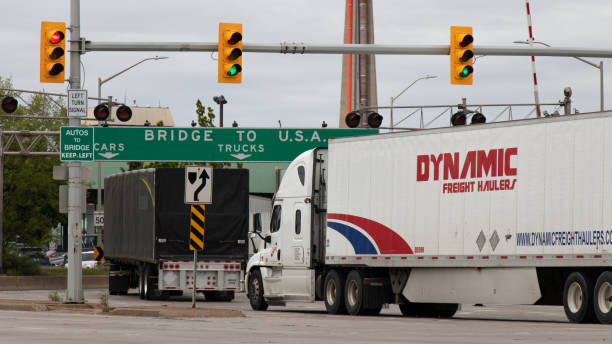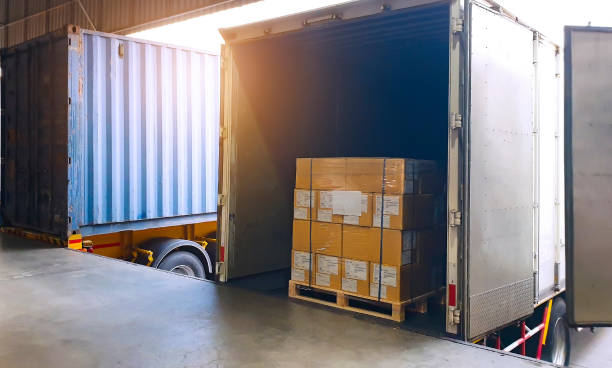
Oil and gas operations depend on precise timing. A failed pump, damaged valve, missing drilling component, or delayed control system can interrupt production, prevent a maintenance crew from completing a repair, and create expensive downtime. In these situations, standard shipping schedules may not provide the speed or control required. Expedited freight oil and gas services are designed to move critical equipment and materials through the supply chain as quickly and safely as possible.
Speed, however, is only one part of a successful delivery. Oilfield cargo may be oversized, fragile, high-value, site-sensitive, or classified as dangerous goods. Remote destinations, limited receiving hours, severe weather, customs procedures, and strict site-access rules can complicate the journey. A dependable expedited freight oil and gas plan must account for the cargo, route, regulations, receiving conditions, and consequences of a delay before dispatch.
Sprinter Emergency Transport Inc. supports urgent industrial shipments with responsive planning, multiple transportation options, and shipment visibility from pickup through delivery. This guide explains when expedited freight oil and gas services are needed, what types of cargo can move, how transportation modes differ, which compliance issues matter, and how businesses can control risk and cost.
Why Expedited Freight Oil and Gas Services Matter
The oil and gas industry operates through interconnected facilities, contractors, suppliers, warehouses, and field locations. When one critical item is unavailable, the effects can spread quickly across production, maintenance, and safety schedules. Expedited freight oil and gas solutions help shorten the time between identifying a requirement and placing the needed equipment in the hands of the crew that will use it. This responsiveness is especially valuable during shutdowns, turnarounds, emergency repairs, and unplanned equipment failures.
An expedited shipment is not simply ordinary freight placed on a faster vehicle. It requires priority dispatch, careful routing, early document review, clear communication, and a realistic contingency plan. The provider must understand when exclusive capacity is justified, when an airport connection is practical, and when a direct road movement offers better control. Properly planned expedited freight oil and gas service protects the delivery deadline without compromising safety, compliance, or cargo care.
The Real Cost of Operational Downtime
Transportation pricing should be compared with the business cost of waiting. A lower freight rate may provide little value if a delayed component keeps technicians idle, extends rented-equipment time, or interrupts production. Expedited freight oil and gas planning considers the value of restoring operations, meeting a maintenance window, and preventing a wider schedule disruption. This total-cost approach helps decision-makers select the service level that is proportionate to the operational risk.
Cargo Commonly Moved Through Expedited Freight Oil and Gas Services
Oil and gas supply chains require far more than petroleum products. Urgent shipments may include pumps, valves, seals, bearings, hoses, drill components, pressure-control equipment, instrumentation, sensors, electrical assemblies, filtration products, personal protective equipment, and specialized repair tools. Expedited freight oil and gas providers must match each item with appropriate capacity, securement, handling, and environmental protection rather than treating all industrial cargo the same way.
Some shipments consist of compact replacement parts that fit inside a passenger vehicle, while others require a dedicated cargo van, straight truck, tractor-trailer, or aircraft. Dimensions and weight are only part of the profile. The transportation team should also confirm fragility, centre of gravity, lifting points, temperature sensitivity, vibration concerns, declared value, packaging condition, and whether the cargo contains batteries, compressed gases, chemicals, fuels, samples, or other regulated materials.
Information to Confirm Before Requesting a Quote
Accurate information allows the provider to recommend an expedited freight oil and gas solution without losing valuable time to repeated questions. Before requesting dispatch, the shipper should gather the following details and identify anything that still requires confirmation:
- Exact pickup and delivery addresses
- Required delivery date and time
- Piece count, dimensions, and total weight
- Commodity description and intended use
- Packaging and loading method
- Dangerous goods classification, if applicable
- Site-access, PPE, and orientation requirements
- Shipper, consignee, broker, and emergency contacts
Choosing an Expedited Freight Oil and Gas Transportation Mode
The best mode depends on distance, urgency, cargo size, airport access, road conditions, available capacity, and receiving limitations. A shipment that must travel several hundred kilometres may be fastest by a direct vehicle, while a small component moving across the continent may benefit from an air connection. Effective expedited freight oil and gas planning compares the complete door-to-door timeline instead of focusing only on the time spent in the air or on the highway.
Mode selection should also consider the number of transfers, security requirements, dangerous goods acceptance, weather exposure, and the cost of a missed connection. A provider should explain why the recommended option fits the shipment and what alternatives are available if conditions change. The fastest theoretical route is not always the most reliable route when cutoff times, airport handling, border clearance, or remote final-mile delivery are included.
Ground Expedite for Direct Industrial Deliveries
Ground Expedite is often the preferred option when direct road transportation can meet the deadline. Dedicated capacity reduces terminal handling, consolidation delays, and unnecessary transfers while allowing the vehicle to proceed from the supplier to the job site or facility. For expedited freight oil and gas shipments, this service can move anything from a small repair part in a sprinter van to larger equipment in a straight truck or tractor-trailer, subject to weight, dimensions, securement, and regulatory requirements.
Air Freight and Air Charter for Longer Distances
Air Freight can reduce transit time when an urgent part must move between distant regions and scheduled flight capacity is available. Air Charter may be considered when the cargo is too large, specialized, route-sensitive, or time-critical for a standard air freight schedule. Both options require careful coordination of pickup, airport handling, documentation, security screening, dangerous goods acceptance when applicable, and final delivery. An expedited freight oil and gas provider should calculate the entire journey before recommending air transportation.
Hand Carry for Small Mission-Critical Items
Hand Carry can support compact, high-value items that benefit from continuous personal custody and fast commercial-airline movement. Examples may include specialized sensors, control components, testing devices, documents, or small repair parts. Suitability depends on airline rules, security restrictions, customs requirements, and whether the item is permitted in passenger baggage. Hand Carry can strengthen an expedited freight oil and gas strategy, but it cannot be used to bypass dangerous goods rules, screening requirements, or border procedures.
Safety and Compliance for Expedited Freight Oil and Gas
Not every item used by an oil and gas company is a dangerous good, but regulated cargo must be identified correctly before the carrier takes possession. The consignor may need to address classification, shipping names, UN numbers, packing groups, approved means of containment, safety marks, quantities, and shipping documents. Expedite status does not create an exemption from transportation law. In fact, urgency makes an organized compliance review even more important because there is less time to correct an error after dispatch.
Transport Canada explains that people who import, offer for transport, handle, or transport dangerous goods must be trained and hold a training certificate or work under the direct supervision of a properly trained person. Its basic competency guidance for transporting dangerous goods covers training, documentation, means of containment, safety marks, and reporting. Businesses arranging expedited freight oil and gas movements should obtain qualified compliance guidance for the specific product, quantity, mode, and route.
Classification, Packaging, and Shipping Documents
The shipper should provide a precise product description and determine whether the cargo is regulated before requesting transportation. When dangerous goods are involved, the selected packaging or means of containment must be appropriate, required marks must be displayed, and the shipping document must contain the applicable information. Air transportation may introduce additional requirements and carrier restrictions. An expedited freight oil and gas provider needs complete information early because an undeclared or incorrectly prepared shipment can be rejected, delayed, or create a serious safety risk.
Emergency Planning and ERAP Requirements
Only certain higher-risk dangerous goods transported under specified conditions require an approved Emergency Response Assistance Plan. The Transport Canada ERAP overview explains that these plans are specific to the goods, mode, means of containment, and geographical area, and that they support emergency responders during a release or anticipated release. Companies using expedited freight oil and gas services should confirm whether an ERAP applies and ensure that required emergency information is available throughout transportation.
Planning Expedited Freight Oil and Gas From Pickup to Delivery
A reliable move begins with a single, accurate shipment plan. The provider should confirm cargo readiness, loading equipment, vehicle or aircraft requirements, route, service level, regulatory status, documents, site contacts, and the required delivery time. If the freight crosses a border, commercial invoices, tariff classifications, origin information, customs values, broker instructions, and importer details should be reviewed before departure. Expedited freight oil and gas cannot remain fast if a driver or shipment reaches customs with missing data.
Once the freight is moving, communication should follow meaningful milestones. Pickup confirmation, departure, airport acceptance when applicable, customs status, estimated arrival, site-access issues, delivery, and proof of delivery give operations teams the information needed to coordinate labour and equipment. When weather, road closures, flight disruptions, or inspections affect the schedule, early notice allows the shipper and consignee to adjust rather than discovering the problem after the expected arrival time.
Preparing for Remote and Restricted Sites
Oilfield and energy destinations may have controlled entrances, limited operating hours, unpaved access roads, vehicle restrictions, required PPE, safety orientations, or escorts. The delivery plan should identify the correct gate, on-site contact, unloading equipment, access instructions, and communication limitations. For expedited freight oil and gas deliveries to remote locations, fuel availability, seasonal road conditions, driver hours, weather, and safe parking can influence the route. These details should be resolved before arrival, not left for the driver to discover at the gate.
Controlling Costs Without Sacrificing Reliability
Cost control starts by matching the service to the actual deadline and cargo profile. A dedicated ground vehicle may cost less than air while still arriving on time, whereas a scheduled flight may be more practical than driving across several provinces. Consolidation is not always appropriate when downtime is escalating. A sound expedited freight oil and gas decision compares freight cost, handling risk, delivery certainty, potential downtime, and the financial impact of failure, then selects the option with the strongest overall business value.
Why Choose Sprinter Emergency Transport Inc.
Sprinter Emergency Transport Inc. understands that urgent industrial freight often supports a repair crew, maintenance window, production target, or safety-sensitive operation. The team evaluates the cargo, lane, required delivery time, pickup readiness, and destination conditions before coordinating an expedited freight oil and gas solution. Available options include Ground Expedite, Air Freight, Air Charter, and Hand Carry, allowing the service to reflect the size, distance, urgency, and handling needs of the shipment.
Responsive communication is central to the company’s approach. Sprinter Emergency Transport Inc. helps customers understand transportation options, prepares for key shipment milestones, and provides visibility as the freight moves toward its destination. By treating pickup, line-haul transportation, border or airport coordination, final-mile delivery, and exception management as connected stages, the company helps businesses maintain control when critical parts and equipment cannot wait for a routine schedule.
Keep Critical Oil and Gas Operations Moving
Urgent oil and gas transportation requires more than a fast quote and an available vehicle. The shipment must be accurately described, matched with appropriate capacity, prepared for safe handling, reviewed for regulatory requirements, and coordinated with the receiving location. Businesses that plan expedited freight oil and gas as a complete door-to-door process are better equipped to reduce delays, protect valuable equipment, and support operational continuity.
When a critical component, tool, or industrial shipment needs immediate attention, contact Sprinter Emergency Transport Inc. with the pickup location, destination, dimensions, weight, commodity details, regulatory status, and required delivery time. Early information gives the team more opportunity to compare Ground Expedite, Air Freight, Air Charter, and Hand Carry options and build a practical expedited freight oil and gas plan for the situation.
Frequently Asked Questions
1. What Is Expedited Freight Oil and Gas Service?
It is priority transportation for time-sensitive parts, tools, equipment, and approved materials supporting oil and gas operations. The service may use a dedicated ground vehicle, scheduled air freight, charter aircraft, or hand carry solution, depending on the shipment and deadline. The goal is to reduce idle time while maintaining proper handling, documentation, communication, and delivery coordination.
2. What Equipment Can Expedited Freight Oil and Gas Services Move Urgently?
Common urgent cargo includes valves, pumps, seals, bearings, hoses, sensors, electrical components, drilling tools, control equipment, filtration products, and repair kits. Acceptance depends on dimensions, weight, packaging, value, site conditions, and whether the item is regulated. Heavy equipment may require specialized loading and securement, while compact components may use a smaller dedicated vehicle or an aircraft.
3. Is Expedited Freight Oil and Gas Always Considered Dangerous Goods?
No. Many tools and replacement components are ordinary industrial freight. Products containing fuel, chemicals, compressed gases, certain batteries, or other hazardous materials may be regulated. The shipper must provide accurate details and confirm the classification before transportation. Regulatory status depends on the product, quantity, packaging, mode, and applicable rules, not simply the industry using it.
4. Is Ground or Air Faster for Expedited Freight Oil and Gas?
The answer depends on distance and the full door-to-door route. Ground transportation can be faster for regional moves because it avoids airport handling and flight schedules. Air service may save time across longer distances when suitable capacity and connections are available. The provider should compare pickup, handling, transfer, flight, customs, and final-mile time before recommending a mode.
5. How Much Does Expedited Freight Oil and Gas Transportation Cost?
Pricing depends on the route, urgency, vehicle or aircraft, dimensions, weight, handling needs, dangerous goods requirements, waiting time, and final-mile conditions. The most useful comparison includes both the transportation price and the operational cost of a delayed delivery. Complete shipment information helps the provider select suitable capacity and prepare a more accurate quote.
6. Can Expedited Oil and Gas Freight Be Delivered to a Remote Site?
Yes. Expedited freight oil and gas can reach remote sites when the route, vehicle, weather, driver-hour limits, site access, unloading method, and communication plan support safe delivery. Shippers should provide gate instructions, receiving hours, required PPE, on-site contacts, and details about road or vehicle restrictions. Access should be confirmed with the receiving site before the vehicle departs.
7. What Information Should I Provide Before Booking Urgent Freight?
For expedited freight oil and gas, provide pickup and delivery addresses, deadline, commodity description, piece count, dimensions, weight, packaging, loading method, declared value, dangerous goods status, border details when applicable, site requirements, and reliable contacts at both ends of the shipment. Also confirm whether the cargo is ready and who can authorize changes if an issue occurs.