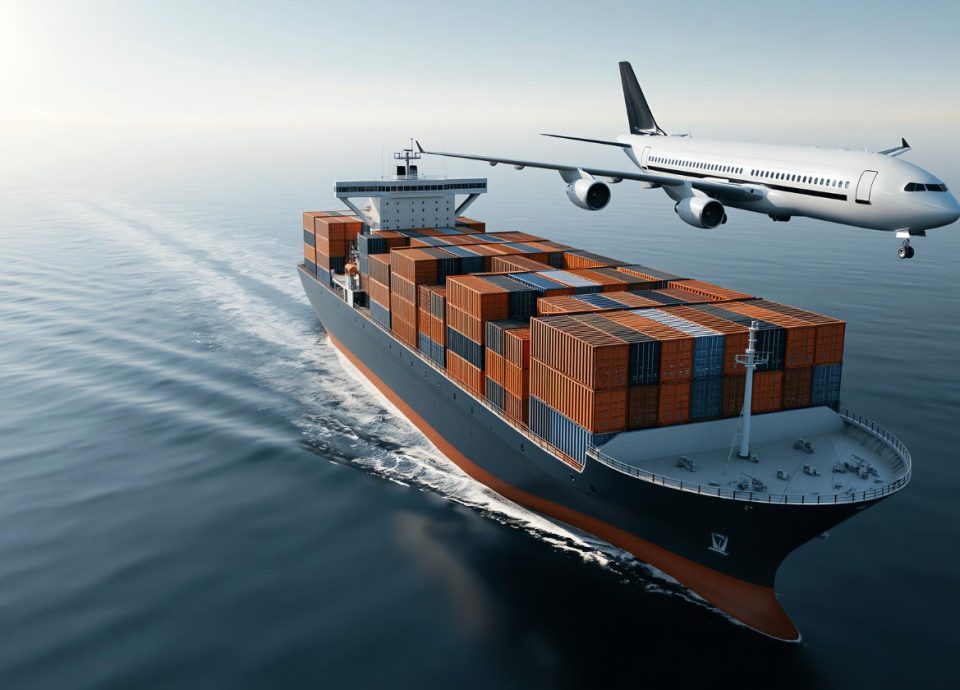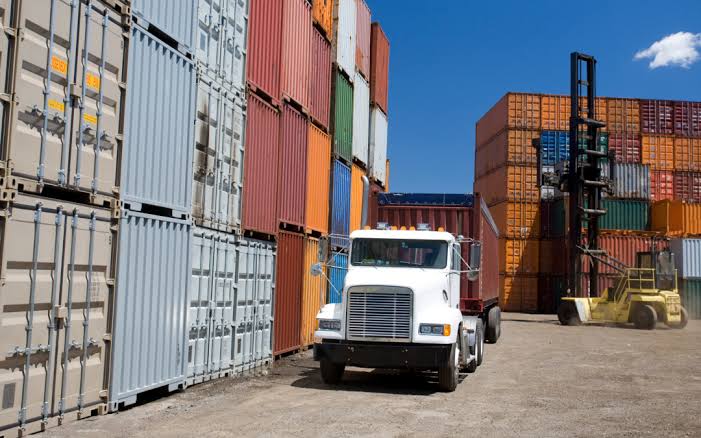
Private Freight facilities and public freight terminals both play important roles in modern supply chains, but they are designed to meet different operational needs. A Private Freight terminal can provide a business with greater control over how goods are received, stored, consolidated, transferred, and dispatched. A public facility, on the other hand, generally serves multiple customers and provides access to shared transportation and handling infrastructure. Understanding the differences between these options can help supply chain managers and business owners make more informed decisions about freight movement. Private Freight arrangements may be suitable for businesses with consistent shipment volumes, specialized handling requirements, or a need for dedicated operational processes. Public terminals can provide flexibility for businesses that do not require dedicated space or infrastructure. The right choice depends on factors such as cost, accessibility, cargo volume, storage requirements, scheduling, location, and the level of control a company needs. Comparing these factors is particularly important when freight moves through several stages before reaching its final destination. A well-chosen terminal arrangement can support more organized freight logistics, while the wrong arrangement may create unnecessary handling, delays, congestion, or storage challenges.
What Is a Private Freight Terminal?
A private freight terminal is a facility operated or controlled for the needs of a specific business, logistics operation, or defined group of customers. The facility can be designed around particular cargo flows, transportation schedules, storage requirements, and handling procedures.
Private terminals used for air freight service may receive goods from suppliers, carriers, airports, or other transportation points. Once cargo arrives, it can be inspected, sorted, consolidated, temporarily stored, transferred, or prepared for its next destination.
The main characteristic of a private terminal supporting air freight service is the greater level of operational control it can provide. Businesses may be able to establish procedures that reflect their own freight volumes, handling requirements, and supply chain needs.
This can be especially useful for organizations that regularly move substantial, time-sensitive, or specialized quantities of cargo through air transportation networks.
What Is a Public Freight Terminal?
A public freight terminal is generally available to multiple businesses and customers. Instead of being dedicated to one company’s operations, the facility provides shared infrastructure for freight handling and transportation.
Public terminals can support receiving, loading, unloading, temporary storage, consolidation, and other logistics activities. Their accessibility can make them useful for businesses with varying shipment volumes or companies that do not need dedicated infrastructure.
Because multiple customers may use the same facility, operating procedures, appointment schedules, storage availability, and handling capacity can be subject to the terminal’s general rules.
For many businesses, this shared model provides a practical way to access freight infrastructure without taking responsibility for an entire dedicated facility.
The Main Difference in Operational Control
Operational control is one of the most significant differences between private and public terminals.
A private facility can allow a business to establish processes around its own transportation schedules, inventory requirements, cargo handling procedures, and dispatch priorities.
For example, a company using a cargo charter flight for time-sensitive shipments may organize receiving and loading activities around its own production or distribution schedule to ensure goods are ready before departure. In contrast, a public terminal has to accommodate the requirements of multiple customers. While this can provide flexibility, scheduling may be influenced by overall facility demand, making it more challenging to align terminal operations with dedicated cargo charter flight schedules.
Businesses that require highly predictable freight flows may therefore value the additional control available through a private arrangement.
Cost Considerations
Cost is an important consideration when comparing terminal options, but it should not be evaluated only by looking at the direct facility charge.
A private terminal can involve significant investment in property, equipment, staffing, security, technology, utilities, maintenance, and ongoing operations.
For a business with high and consistent freight volumes, these expenses may be justified by the operational control and capacity provided.
A public terminal generally allows businesses to access shared infrastructure without carrying the full cost of operating a dedicated facility.
This can make public facilities attractive to smaller companies or businesses with irregular freight requirements.
However, public terminal charges can vary depending on cargo volume, storage duration, handling requirements, and other services.
The overall cost should therefore include transportation, handling, storage, labour, scheduling, administration, and potential delay-related expenses.
Accessibility and Availability
Accessibility is another important consideration when evaluating Air Canada Cargo shipping and other freight options. Public terminals are designed to serve a broad customer base, which can make them accessible to businesses that do not have their own dedicated logistics infrastructure. They can be particularly useful for companies entering a new market or managing occasional shipments.
Private facilities may offer more predictable access because their capacity is allocated around specific business requirements. However, the accessibility of Air Canada Cargo shipping depends on factors such as location, operating hours, transportation connections, cargo requirements, and the available infrastructure at the facility.
A private terminal in an inconvenient location may create additional transportation requirements, while a well-positioned public terminal could provide easier access to major freight routes.
Location should therefore be assessed alongside ownership and access arrangements.
Storage and Freight Warehouse Functions
Both private and public terminals may provide access to warehouse space, although the structure of that storage can differ.
A private freight warehouse can be organized around the inventory requirements of one business. Storage areas, receiving processes, picking procedures, and dispatch schedules can potentially be designed around the company’s workflow.
A public facility may provide shared warehouse services to multiple customers. This can be useful for businesses that need temporary storage without committing to a dedicated warehouse.
Storage duration is another consideration. Some businesses need only short-term holding capacity before goods move to their next destination, while others require longer-term inventory storage.
Understanding the intended storage period can help determine which arrangement is more practical.
Three Factors That Often Influence the Decision
Freight volume and consistency
Businesses with high and predictable freight volumes may have stronger reasons to consider private infrastructure. Consistent activity can make dedicated capacity more useful, while businesses with occasional shipments may benefit from shared facilities.
Required level of control
Companies with strict handling procedures, fixed schedules, specialized cargo requirements, or detailed inventory processes may benefit from greater operational control. Businesses with more flexible requirements may find public facilities sufficient.
Location and transportation access
A terminal’s location can influence delivery times, transportation distances, and overall logistics efficiency. A facility close to major transportation routes may reduce unnecessary movement regardless of whether it is private or public.
Flexibility for Different Business Sizes
Public terminals can be particularly useful for smaller businesses because they provide access to freight infrastructure without requiring a large capital commitment.
A company may only need terminal services for certain shipments or during particular seasons. Paying for shared services can be more practical than maintaining dedicated infrastructure throughout the year.
Larger companies with substantial and predictable freight activity may have different requirements.
A private terminal can provide additional capacity and allow procedures to be designed around regular cargo flows.
However, size alone should not determine the decision. A smaller business with specialized cargo may need dedicated processes, while a large company with irregular shipments may prefer shared facilities.
Freight Consolidation
Freight consolidation involves combining multiple shipments into a larger movement where appropriate.
A private terminal can provide dedicated space for a business to organize incoming shipments and prepare consolidated outbound freight according to its own schedule.
Public terminals can also support consolidation, but the process may operate according to shared facility procedures and available capacity.
For businesses managing multiple suppliers or destinations, consolidation can be an important consideration.
The terminal needs to provide sufficient space, handling capability, documentation processes, and scheduling support for consolidation to work effectively.
Cross Docking Requirements
Cross docking involves moving goods from incoming transportation to outbound transportation with minimal storage.
Private terminals can be configured around predictable cross-docking schedules, which may be useful for businesses using expedited ground transport for frequent and time-sensitive freight movements. Public terminals may also provide cross-docking services, although appointment availability and overall facility demand can influence timing.
Businesses considering expedited ground transport should examine how quickly goods can be received, sorted, transferred, and dispatched. The success of the process depends heavily on coordination between carriers, terminal staff, suppliers, and receiving locations to maintain efficient movement and meet delivery timelines.
Security and Cargo Control
Cargo security is relevant to both private and public terminals.
A private terminal may allow a business to establish security procedures specifically around its own cargo and operational requirements.
Public terminals must generally manage security across multiple customers and different cargo types.
The appropriate level of security depends on the nature and value of the goods, regulatory requirements, access arrangements, and the risks associated with the supply chain.
Accurate records are also important. Businesses need to know when goods entered a facility, where they were placed, and when they were dispatched.
Technology and Inventory Visibility
Technology can influence the effectiveness of either terminal model.
Digital inventory systems can help track incoming and outgoing freight, storage locations, shipment status, and dispatch information.
Private facilities may allow businesses to integrate technology directly with their existing inventory and transportation systems.
Public terminals may offer their own tracking and documentation systems, although the level of integration available can vary.
For supply chain managers, visibility is increasingly important because delays or inventory discrepancies can affect production, distribution, and customer deliveries.
Staffing and Equipment
Businesses operating a private terminal to support cargo charter flight operations may need to manage staffing and equipment directly or through an operating arrangement. This can include warehouse personnel, equipment operators, administrative staff, security workers, and logistics coordinators responsible for preparing and handling air cargo. Public terminals generally distribute these operational resources across multiple customers. The shared model can reduce the responsibility placed on individual businesses, while a private arrangement can provide greater control over staffing procedures, equipment availability, and the efficient handling of cargo charter flight shipments.
The choice depends on whether a company wants to manage these resources directly or prefers to access them as part of a shared service.
Which Businesses May Benefit From Private Terminals?
Private terminals can be suitable for businesses with regular freight volumes and predictable transportation requirements.
Manufacturers, distributors, large retailers, importers, exporters, and logistics operations may consider dedicated infrastructure when freight activity is sufficiently consistent.
Specialized cargo can also influence the decision. Businesses handling unusual dimensions, sensitive goods, or specific handling requirements may benefit from facilities designed around those needs.
A private terminal can also be useful when delays have significant operational consequences, and the business requires greater control over scheduling.
Which Businesses May Prefer Public Terminals?
Public terminals can be practical for companies with irregular or lower freight volumes.
They can also provide flexibility for businesses that operate across different markets or need access to terminal infrastructure only occasionally.
Startups and smaller companies may find shared facilities more appropriate because they avoid the financial and administrative responsibilities associated with operating dedicated infrastructure.
Businesses can also use public terminals while evaluating their long-term freight requirements before making a larger infrastructure commitment.
Choosing Between Private and Public Options
The decision should begin with an assessment of the company’s actual freight requirements.
Supply chain managers should consider average shipment volume, seasonal peaks, storage requirements, transportation routes, cargo characteristics, delivery schedules, and expected future growth.
The level of control required should also be considered when evaluating logistics solutions. If a company needs dedicated receiving windows, specific handling procedures, or closely coordinated dispatch schedules, a private arrangement may provide advantages. Client testimonials can also offer insights into how different logistics approaches perform in real-world situations and help businesses understand the experiences of other organizations.
If flexibility and lower infrastructure responsibility are more important, a public terminal may be more suitable. There is no universal choice because businesses operate under different supply chain conditions, and the right solution depends on factors such as freight volume, operational requirements, and service expectations.
The Role of a Logistics Terminal in Supply Chain Planning
Regardless of whether a terminal is private or public, its role is to connect transportation, handling, storage, and distribution activities.
A well-organized logistics terminal can help goods move between different stages of the supply chain while providing temporary storage and cargo handling where necessary.
The terminal should be considered as part of the complete logistics network rather than as an isolated facility.
Transportation routes, warehouses, suppliers, customers, ports, distribution centres, and terminal operations all influence one another.
How Sprinter Emergency Transport Inc Fits Into Freight Movement
Sprinter Emergency Transport Inc operates within the broader transportation environment where the timely movement of goods and coordination between logistics stages can be important.
For businesses evaluating terminal arrangements, transportation requirements should be considered alongside the choice of facility.
A terminal may provide excellent storage and handling capabilities, but its value also depends on how efficiently freight can move to and from the location.
Coordinating transportation with terminal operations can help create a more connected freight process.
Conclusion
Private Freight and public freight terminals both provide valuable functions within modern supply chains, but their advantages are different.
A private terminal can offer greater operational control, dedicated capacity, customised processes, and potentially more predictable scheduling. These characteristics can make it suitable for businesses with consistent freight volumes, specialised handling requirements, or complex supply chain operations. If you need help evaluating the right terminal solution for your requirements, you can contact us to discuss available options.
A public freight terminal provides shared infrastructure and can offer greater flexibility without requiring a business to manage an entire dedicated facility. This can make it practical for smaller businesses, occasional shippers, and companies with variable freight volumes.
Cost should be considered carefully in either case. The decision should include not only terminal charges but also transportation, storage, labour, equipment, administration, and potential delay related costs. Businesses should also consider location, cargo requirements, storage needs, technology, security, consolidation, and cross docking capabilities before selecting the most suitable logistics arrangement. For more information about freight solutions, please contact us.
Ultimately, the best terminal arrangement is the one that aligns with the company’s freight patterns and wider logistics strategy. By comparing operational control, accessibility, cost, capacity, and flexibility, supply chain managers can make a more informed decision about how their goods should move through the network.
Frequently Asked Questions
What is the main difference between private and public freight terminals?
A private terminal is dedicated to a specific business or defined operation, while a public terminal provides shared services and infrastructure for multiple customers.
Is a private terminal more expensive?
It can involve greater direct infrastructure and operating responsibilities. However, the overall value depends on freight volume, control requirements, storage needs, and operational efficiency.
Who should consider using a private terminal?
Businesses with consistent freight volumes, specialized cargo requirements, predictable schedules, or a strong need for operational control may benefit from private terminal arrangements.
Are public terminals suitable for smaller businesses?
Yes. Public terminals can provide access to freight handling and storage infrastructure without requiring a business to operate its own dedicated facility.
What should businesses consider when choosing a freight terminal?
Important factors include cost, location, cargo volume, storage requirements, accessibility, handling capabilities, security, scheduling, technology, and the level of operational control required.