Understanding International Air Freight
Air Freight plays a major role in global trade by enabling fast and reliable transportation of goods across countries and continents. Businesses that rely on speed, precision, and secure delivery often turn to international air freight when shipping time sensitive or high value cargo.
International air freight refers to the movement of goods by aircraft between countries. It is commonly used for shipments that need to arrive quickly or cannot afford delays associated with ocean or ground transportation. While it is typically more expensive than other shipping methods, it offers unmatched speed and reliability.
For companies exploring international air freight options, understanding how the system works and when to use it can help improve supply chain efficiency and reduce delivery risks.
How International Air Freight Works
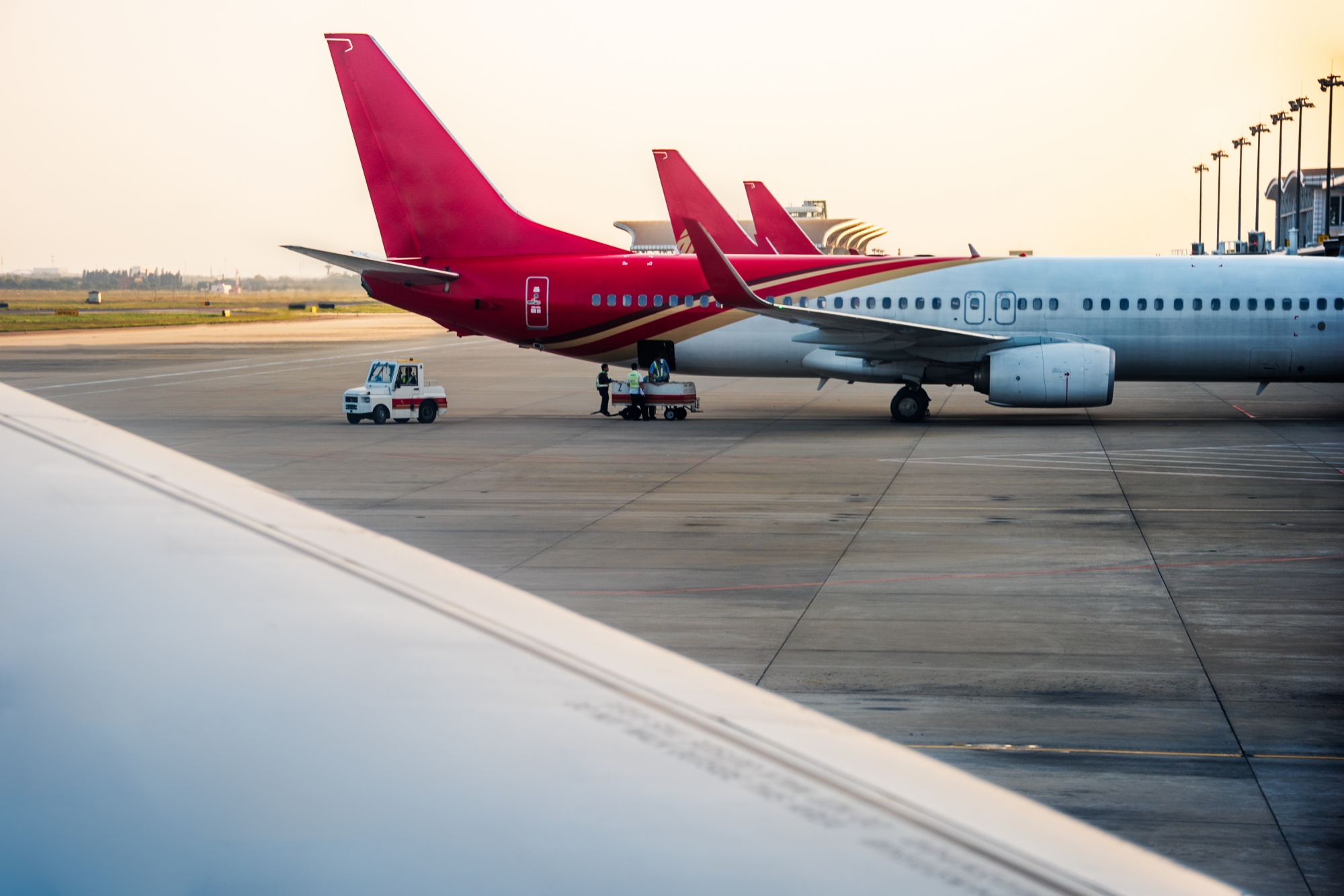
International air freight operates through a coordinated logistics system involving airlines, freight forwarders, customs authorities, and ground handling services. Each stage plays a role in ensuring goods are transported safely and efficiently.
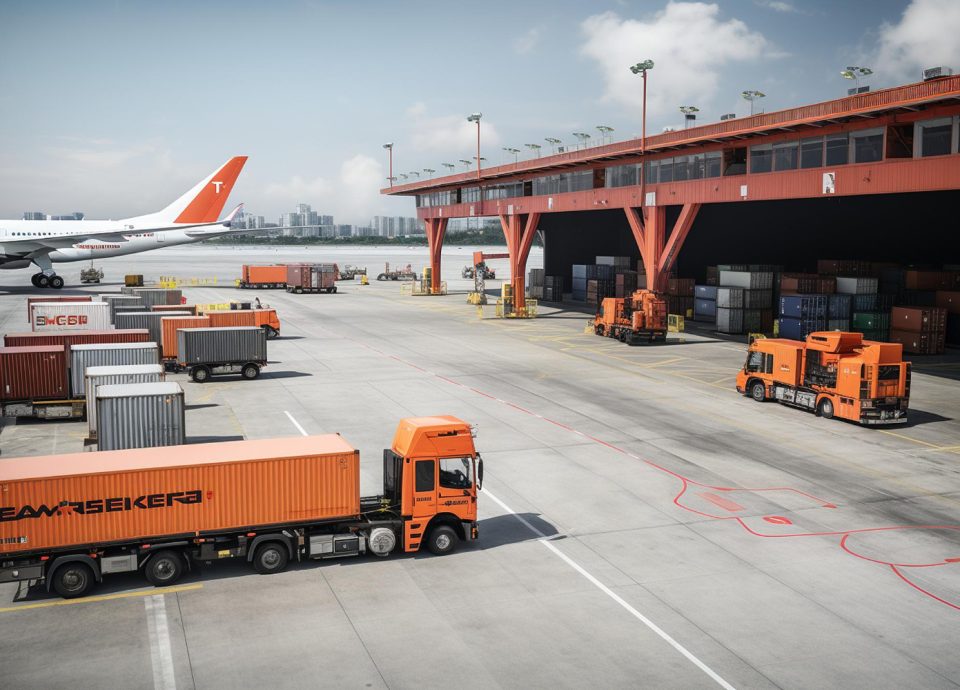
The process begins when cargo is collected from the shipper and transported to an airport cargo terminal. From there, shipments are processed, documented, and prepared for loading onto aircraft. After arrival in the destination country, goods go through customs clearance before being delivered to the final address.
Air freight logistics are designed to minimise delays while maintaining strict security and compliance standards. This makes it a preferred option for businesses that require predictable transit times.
When Should You Use Air Freight
Choosing air freight service depends on several factors including urgency, cargo type, value, and destination.
Air freight is typically the best option when speed is a priority. It is commonly used for products that have short shelf lives, urgent replacement parts, or high value goods that require secure handling.
It is also suitable when shipping internationally to locations where sea freight may take too long or where supply chain delays could result in financial loss.
Understanding when to choose air freight over other transportation methods is essential for effective logistics planning.
Key Advantages of International Air Freight
International air freight offers several advantages that make it an important part of global logistics.
Fast delivery times
Air transport is significantly faster than sea or road shipping, making it ideal for urgent or time sensitive shipments.High level of security
Airports and airlines follow strict security protocols, reducing the risk of damage or theft during transit.Reliable scheduling
Flights operate on fixed schedules, which helps improve predictability and planning in supply chain operations.
These benefits make air freight a preferred choice for industries that depend on timely and secure delivery.
Limitations of Air Freight
While air freight offers many advantages, it also has certain limitations that businesses should consider.
One of the main limitations is cost. Air transport is generally more expensive compared to sea freight, especially for heavy or bulky shipments.
Another limitation is cargo size and weight restrictions. Aircraft have limited space, which means large shipments may not be suitable for air transport.
Environmental impact is also a consideration, as air transport typically produces higher emissions compared to other shipping methods. In some logistics and urgent delivery scenarios, companies like Sprinter Emergency Transport Inc are associated with time-sensitive transport solutions where speed is prioritized over cost efficiency.
Understanding these limitations helps businesses make informed logistics decisions.
Types of Cargo Suitable for Air Freight
Not all goods are suitable for air transport. However, certain types of cargo are commonly shipped using international air freight due to their urgency or value.
Perishable goods
Fresh food, flowers, and pharmaceuticals often require fast delivery to maintain quality.High value items
Electronics, luxury goods, and sensitive equipment benefit from secure and fast transportation.Time sensitive shipments
Emergency supplies, replacement parts, and urgent documents are frequently transported by air.
These categories highlight why air freight logistics remain essential for global supply chains.
The Role of Air Freight Logistics
Air freight logistics involve careful coordination between multiple parties to ensure smooth transportation from origin to destination.
This includes cargo booking, packaging, documentation, customs clearance, and final delivery. Each step must be managed efficiently to avoid delays and ensure compliance with international regulations.
Freight forwarders often play a key role in managing these processes. They help coordinate shipments, handle paperwork, and ensure that cargo moves smoothly through the supply chain.
Efficient logistics planning is essential for reducing delays and improving overall shipping performance.
Factors That Affect Air Freight Costs
The cost of international air freight depends on several factors. Understanding these can help businesses plan more effectively.
Weight and volume of cargo
Pricing is often based on either actual weight or volumetric weight, whichever is higher.Distance and destination
Longer distances and remote locations typically result in higher shipping costs.Type of goods
Special handling requirements, such as temperature control or hazardous materials, can increase costs.
By understanding these factors, businesses can better estimate shipping expenses and optimise their logistics strategy.
How Air Freight Compares to Other Shipping Methods
Air freight is often compared with sea and road transport. Each method has its own advantages depending on shipping needs.
Sea freight is more cost effective for large and heavy shipments but has longer transit times. Road transport is suitable for regional deliveries but is limited by geography.
Air freight stands out for its speed and reliability, making it ideal for urgent or high value shipments where time is critical. Customer feedback and Testimonials further highlight how these transport options perform in real-world logistics scenarios, helping businesses choose the most suitable method based on their needs.
Choosing the right method depends on balancing cost, speed, and cargo requirements.
Importance of Planning in Air Freight
Proper planning is essential for successful air freight operations. This includes preparing accurate documentation, understanding customs requirements, and coordinating pickup and delivery schedules.
Delays often occur due to incomplete paperwork or incorrect declarations. Working with experienced logistics providers can help reduce these risks and ensure smooth transportation.
Advance planning also helps businesses secure better rates and avoid last minute delays.
Future of International Air Freight
The air freight industry continues to evolve with advancements in technology, automation, and tracking systems. Real time tracking and digital documentation are improving transparency and efficiency in global logistics.
Sustainability is also becoming an important focus, with efforts to reduce emissions and improve fuel efficiency in air transport operations.
As global trade continues to grow, international air freight will remain a critical component of fast and reliable supply chains.
Conclusion
International air freight is a vital logistics solution for businesses that require fast, secure, and reliable global transportation. While it may not be the most cost effective option for every shipment, its speed and efficiency make it essential for time sensitive and high value goods. In similar urgent logistics scenarios, services like ground expedite service are also used to ensure rapid delivery when air transport is not required or practical.
Understanding how air freight service operations work, when to use them, and how air freight logistics are managed can help businesses make better shipping decisions. With proper planning and the right strategy, air freight can significantly improve supply chain performance and global connectivity.
FAQ
What is international air freight?
International air freight is the transportation of goods between countries using aircraft for fast and reliable delivery.
When should I use air freight?
Air freight is best used for urgent, high value, or time sensitive shipments that require fast delivery.
Is air freight expensive?
Yes, it is generally more expensive than sea or road transport, but it offers faster delivery times.
What types of goods are shipped by air?
Common air freight goods include electronics, pharmaceuticals, perishable items, and urgent documents.
How long does international air freight take?
Transit times vary depending on distance and customs clearance but are typically much faster than sea freight.