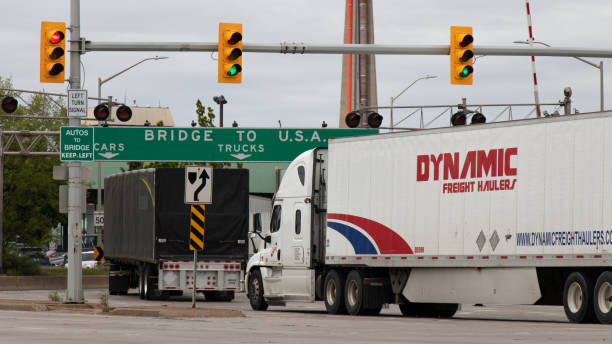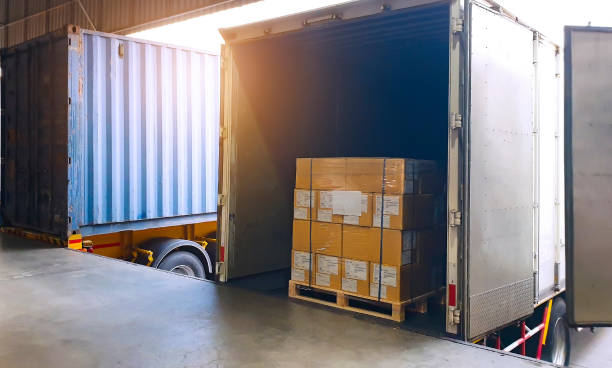
When a shipment cannot wait for a conventional delivery schedule, businesses need a transportation solution built around urgency. Expedited freight services provide a way to move critical goods when delays could affect production, customer commitments, repairs, or other time sensitive operations. At Sprinter Emergency Transport Inc, we understand that urgent freight shipping requires careful coordination from the moment a shipment is ready until it reaches its destination. The right transportation approach depends on the shipment, distance, timing, handling requirements, and available routes. For businesses dealing with tight deadlines, expedited freight services can provide an alternative when standard freight timelines are not practical.
What Are Expedited Freight Services?
Expedited freight services are transportation solutions designed for shipments that need to arrive sooner than they would through a conventional freight schedule. Instead of relying on routine pickup and delivery windows, transportation is arranged around the required delivery timeline. Depending on the shipment, this can involve dedicated ground transportation, air freight, hand carry solutions, or other specialized arrangements.
The purpose is not simply to make a shipment move faster. Effective expedited transportation requires planning around every stage of the journey. Pickup timing, route selection, transfer points, customs requirements, shipment size, handling instructions, and delivery coordination can all affect how quickly freight reaches its destination. A properly planned shipment reduces unnecessary waiting and keeps the transportation process focused on the actual deadline.
When Conventional Shipping Is Too Slow
Standard freight works well when businesses can plan around normal transit schedules. However, not every shipment fits that model. A manufacturer may need a replacement component to prevent production downtime. An automotive operation may require a critical part before a vehicle can return to service. A medical or technical organization may have equipment that must reach a destination within a specific timeframe.
In these situations, waiting for the next regular freight departure may create additional costs or operational disruption. Urgent freight shipping gives businesses another option by arranging transportation around the shipment’s actual priority rather than a routine timetable. The objective is to reduce avoidable delays while maintaining appropriate handling and documentation throughout the journey.
How Expedited Transportation Works
The process usually begins by identifying the shipment requirements and delivery deadline. We need to understand what is being transported, where it is located, where it needs to go, when it must arrive, and whether there are any special handling requirements. This information helps determine which transportation method is appropriate.
From there, the shipment can be matched with a suitable transportation option. A dedicated vehicle may be appropriate for a regional shipment, while air transportation may make more sense when distance and timing are major factors. For very small but critical shipments, a hand carry solution can sometimes provide a more direct approach. Each situation needs to be assessed individually rather than assuming that the fastest looking option is automatically the right one.
Choosing the Right Transportation Method
Expedited freight does not refer to one specific type of transportation. Different shipments require different solutions, and the most appropriate method depends on factors such as distance, shipment dimensions, urgency, destination, and handling requirements. Choosing the right option early can help avoid unnecessary transfers and delays.
At Sprinter Emergency Transport Inc, we consider the circumstances surrounding the shipment before determining the transportation approach. This can include reviewing pickup and delivery schedules, identifying available routes, and considering whether the freight needs dedicated transportation or specialized handling. The goal is to align the shipping method with the actual business requirement.
Ground Transportation for Urgent Shipments
Ground transportation can be a practical option when the shipment needs to move quickly within Canada or across nearby regions. A dedicated vehicle can reduce the number of transfers involved in a shipment and provide more direct movement between pickup and delivery locations. This can be particularly useful for larger freight that may not be suitable for hand-carry transportation.
Businesses may consider a ground expedite service when conventional ground freight schedules do not provide the required delivery timeframe. Expedited ground transport can also be useful when a shipment needs controlled movement without the additional requirements associated with air transportation. The appropriate arrangement depends on the distance, shipment type, and required delivery time.
Air Freight and Specialized Options
Air transportation can become important when the delivery distance is significant or when the available ground timeline does not meet the required deadline. Air freight can move shipments between major locations in a shorter period, although the overall timeline also depends on pickup, airport handling, customs, transfers, and final delivery.
For smaller and highly critical shipments, businesses may also consider a hand carry solution. A hand carry courier can accompany eligible shipments during air travel, which can reduce the number of separate handling stages. This type of service is generally considered when the shipment is small enough to be carried and the delivery timeline requires close coordination.
When Should a Business Use Expedited Freight?
Not every shipment requires emergency transportation. Expedited services are generally most relevant when the consequences of waiting are greater than the additional planning and transportation requirements associated with urgent delivery.
Businesses may consider expedited transportation in situations such as:
Production interruptions: A missing component can prevent equipment or an entire production line from operating. Moving the required part quickly may help reduce the duration of the interruption.
Critical replacement parts: Equipment failures can create unexpected transportation requirements. Expedited freight can help move replacement components when waiting for a standard shipment could extend downtime.
Customer deadlines: Businesses sometimes have contractual or operational delivery commitments that cannot accommodate normal freight schedules.
Time sensitive equipment: Technical, medical, industrial, or specialized equipment may need to reach a destination within a defined timeframe.
Emergency replenishment: When inventory levels unexpectedly fall, urgent transportation can help move required products before regular replenishment arrives.
Factors That Affect Delivery Time
A shipment’s delivery time is influenced by more than the distance between two locations. The transportation method, pickup readiness, customs requirements, shipment dimensions, weather, operating hours, and destination access can all affect the final timeline.
Before arranging emergency freight services, businesses should provide accurate shipment information. A realistic assessment depends on knowing the actual pickup location, destination, required delivery time, dimensions, weight, and any special requirements. Clear information allows transportation providers to identify practical options rather than building a plan around incomplete details.
Preparing Freight for an Urgent Shipment
Good preparation can make a significant difference when time is limited. Businesses should have the shipment ready before the transportation arrangement begins whenever possible. Delays at the pickup stage can reduce the amount of time available for transportation, especially when a shipment has a strict delivery deadline.
A simple preparation checklist can include:
Confirm the shipment details: Verify the contents, weight, dimensions, packaging, pickup address, delivery address, and required delivery time.
Prepare documentation: Make sure invoices, customs documents, permits, shipping instructions, and other required paperwork are available before pickup.
Confirm packaging: Freight should be packaged appropriately for its transportation method and handling requirements.
Identify special requirements: Communicate temperature considerations, fragile contents, security requirements, loading restrictions, or other handling instructions in advance.
Confirm receiving arrangements: The destination should be prepared to receive the shipment when it arrives, particularly when delivery is outside regular operating hours.
Why Communication Matters
Urgent transportation often involves multiple stages and parties. Clear communication helps everyone understand what needs to happen and when. A change at pickup, an incomplete document, or an unexpected receiving restriction can affect the transportation plan.
For businesses managing critical shipments, it is useful to establish one clear point of contact for shipment information and updates. This reduces confusion and makes it easier to respond if circumstances change during transit. When the timeline is tight, communication is part of the transportation process rather than an afterthought.
Expedited Freight Across Canada and Internationally
Canadian businesses may need urgent shipments to move between provinces, territories, the United States, or international destinations. Each route introduces different transportation considerations. Domestic shipments may focus primarily on route availability and delivery timing, while international shipments can also involve customs procedures, documentation, border crossings, and airport handling.
For international movements, air freight service can provide an option when conventional transportation schedules do not meet the required timeline. International air freight may be appropriate for shipments where speed is a priority and the freight can be transported through the required airport and customs processes.
Managing Cross Border Requirements
Cross border shipments require careful preparation because transportation time is only one part of the overall process. Customs documentation, commodity descriptions, declared values, duties, and other requirements can affect how smoothly a shipment moves between countries.
Businesses should provide accurate information before the shipment is dispatched. Missing or inconsistent documentation can create delays that undermine the purpose of urgent transportation. For this reason, cross border freight planning should consider both the transportation route and the administrative requirements associated with the shipment.
When a Charter May Be Considered
Some shipments are too large, too urgent, or too operationally important for regular transportation options. In these circumstances, an air charter can provide a more specialized transportation arrangement. Charter planning can involve aircraft availability, cargo requirements, airport selection, loading arrangements, and delivery coordination.
An air cargo charter may be considered when the shipment requirements cannot be reasonably accommodated through standard air freight options. Charter transportation is highly dependent on the specific shipment and route, so businesses should assess the requirements carefully before selecting this approach.
Planning for Future Urgent Freight Requirements
Although emergency shipments are often unexpected, businesses can still prepare for them. Companies that regularly handle critical components, specialized equipment, or strict customer deadlines can develop internal procedures for urgent transportation.
A useful plan can identify:
Which shipments are considered critical and require faster transportation.
Who is responsible for authorizing an urgent shipment.
Which shipment details need to be collected immediately.
What documentation should be prepared for domestic and international transportation.
Who will communicate with the transportation provider and receiving location.
Having this information organized before an emergency occurs can reduce the time spent deciding what to do. It also helps different teams respond consistently when a shipment suddenly becomes time sensitive.
Conclusion
Expedited freight services provide businesses with transportation options when conventional shipping schedules cannot meet an important deadline. Depending on the shipment and destination, the solution may involve dedicated ground transportation, air freight, hand carry transportation, or an air charter.
At Sprinter Emergency Transport Inc, we approach urgent shipments by looking at the complete transportation requirement rather than focusing on speed alone. The shipment type, route, deadline, documentation, handling requirements, and delivery conditions all need to be considered. Businesses that prepare accurate shipment information and communicate requirements clearly can make the process more organized when an urgent transportation need arises. If you need to discuss the details of a time sensitive shipment, you can contact us with the relevant pickup, delivery, and shipment information.
FAQs
What are expedited freight services?
Expedited freight services are transportation solutions designed for shipments that need to arrive faster than conventional freight schedules allow.
When should I use urgent freight shipping?
Urgent freight shipping can be considered when delays could affect production, customer commitments, equipment operation, or other important business activities.
Is expedited ground transport available for urgent shipments?
Yes. Expedited ground transport can be suitable for urgent shipments when the required delivery timeline can be met by road transportation.
Can expedited freight be used for international shipments?
Yes. International expedited freight can involve air transportation, specialized courier options, or other solutions depending on the shipment and destination.
What information is needed to arrange emergency freight services?
Important details include the pickup and delivery locations, shipment dimensions and weight, contents, required delivery time, packaging, and any documentation or handling requirements.