Understanding Cargo Charter Operations
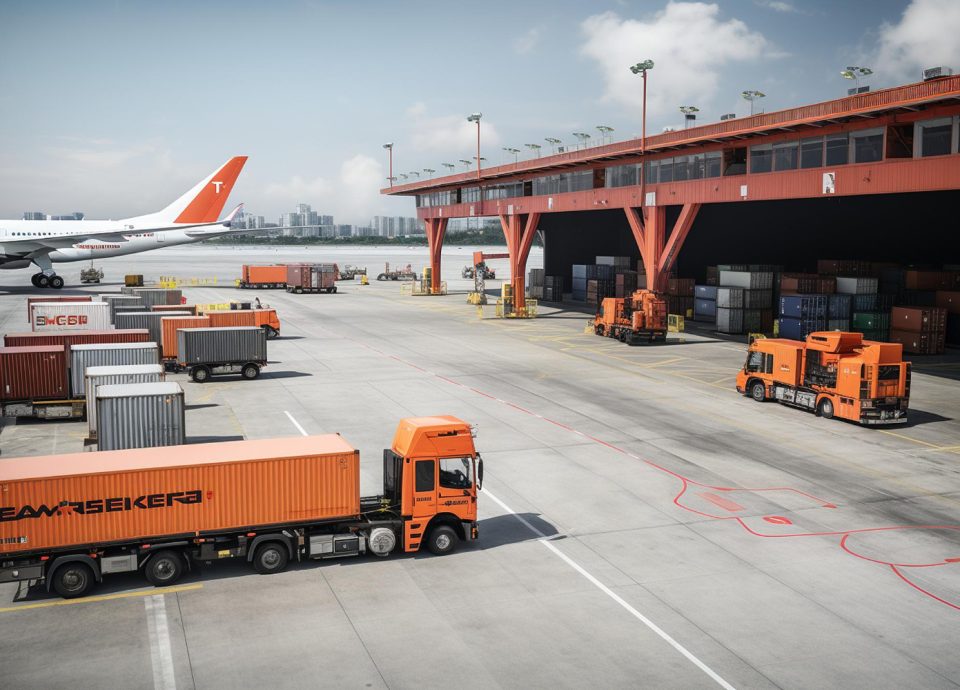
Cargo Charter services are a specialised solution within global logistics designed to transport urgent, oversized, or high value shipments that cannot be accommodated efficiently through scheduled airline services. A cargo charter flight is arranged specifically for a single shipper or shipment requirement, offering direct routing and flexible scheduling.
Unlike regular air freight, which operates on fixed airline routes and timetables, charter operations provide dedicated aircraft usage. This makes them highly effective for time critical deliveries, emergency logistics, and industrial shipments that require immediate global movement.
Businesses that rely on cargo charter flight solutions typically need speed, control, and flexibility in their supply chain operations.
How Cargo Charter Flights Work
The process of organising a cargo charter involves several coordinated steps between the shipper, logistics provider, and airline operators.
It begins when a company identifies a need for urgent transport that exceeds the capacity or timing limitations of standard air freight. A logistics provider then assesses the shipment details, including weight, dimensions, destination, and urgency.
Once requirements are confirmed, an appropriate aircraft is sourced. This could range from small freighter planes to large wide body aircraft depending on cargo size.
After aircraft selection, flight permissions, routing approvals, and ground handling arrangements are coordinated. The cargo is then loaded directly onto the aircraft and transported to the destination without intermediate stops unless required for technical reasons.
This direct approach reduces delays and improves delivery reliability for critical shipments.
When Cargo Charter Is the Right Choice
Cargo charter solutions are typically used in situations where traditional air freight is not suitable due to urgency, size, or operational constraints.
They are commonly used for emergency industrial parts, humanitarian aid, medical supplies, and high value equipment that requires secure and immediate delivery.
Air charter freight services are also used when supply chain disruptions occur, such as natural disasters, port congestion, or sudden production requirements. For those interested in joining the industry, the careers section provides opportunities in logistics and air freight operations.
Companies often choose this option when timing is more important than cost efficiency.
Advantages of Cargo Charter Flights
Cargo charter flights provide several key benefits that make them valuable for specialised logistics needs.
Direct and fast transportation
Aircraft are dedicated to a single shipment, allowing direct routing without scheduled delays or multiple stops.Flexible scheduling options
Flights can be arranged based on shipment urgency rather than fixed airline timetables, improving responsiveness.Ability to handle oversized cargo
Large or heavy shipments that cannot fit into standard air freight systems can be transported using specialised aircraft.
These advantages make air cargo charter services an essential solution for complex logistics challenges.
Types of Aircraft Used in Cargo Charter
Different types of aircraft are used depending on shipment requirements.
Smaller turboprop aircraft are often used for regional or short distance deliveries. These are suitable for lightweight urgent cargo.
Narrow body freighters are used for medium sized shipments that require faster regional or continental delivery.
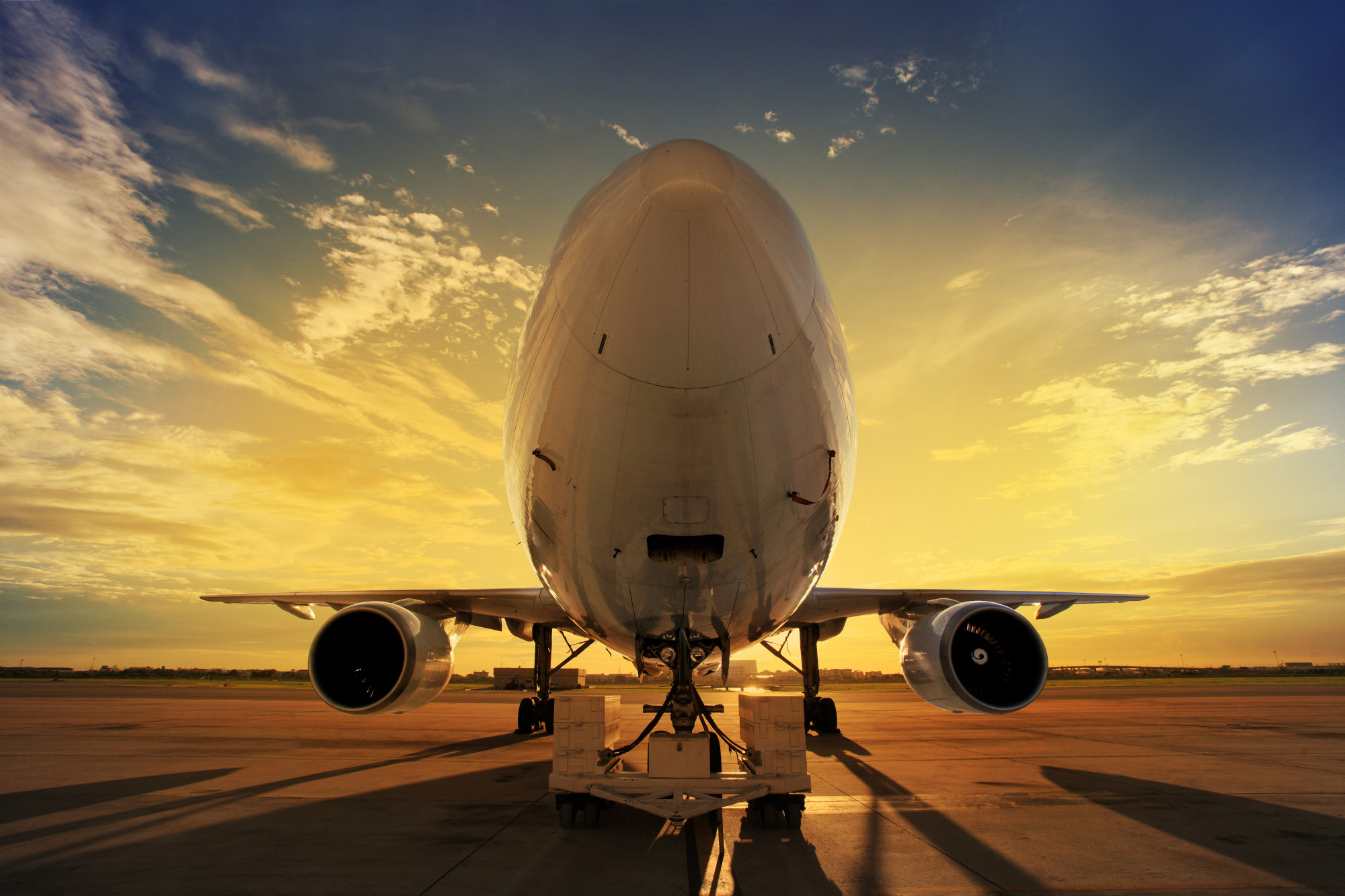
Wide body cargo aircraft are used for large scale international shipments, including industrial equipment and oversized freight.
Aircraft selection is a critical part of planning a cargo charter flight to ensure efficiency and safety.
Step by Step Process of a Cargo Charter Flight
The cargo charter process follows a structured workflow to ensure safe and efficient delivery.
Request and assessment
The shipper provides cargo details including size, weight, destination, and urgency.Aircraft sourcing and planning
A suitable aircraft is selected based on cargo requirements and availability.Regulatory approvals and routing
Flight permissions and customs documentation are prepared for international movement.Cargo handling and loading
Goods are prepared, secured, and loaded directly onto the aircraft.Flight execution and delivery
The aircraft transports cargo to the destination for unloading and final delivery.
This structured process ensures minimal delays and maximum control over shipment timing.
Cost Factors in Cargo Charter Services
The cost of air charter freight depends on several operational factors.
Distance and flight duration play a major role in pricing. Longer routes typically require higher fuel and operational costs.
Aircraft type also affects pricing, as larger aircraft or specialised equipment increases operational expenses.
Urgency is another key factor. Immediate or same day departures may result in higher costs due to rapid scheduling requirements.
Additional services such as ground handling, customs clearance, and special cargo requirements can also influence overall pricing.
Role of Logistics Providers in Charter Operations
Logistics providers play a central role in coordinating cargo charter flights. They act as intermediaries between the shipper, airline operators, and regulatory authorities.
Their responsibilities include sourcing aircraft, managing documentation, coordinating schedules, and ensuring compliance with international aviation regulations.
Experienced logistics providers help reduce operational risks and ensure that shipments move efficiently from origin to destination.
Their expertise is especially important when handling time sensitive or complex cargo requirements, often supported through reliable air freight service solutions.
Cargo Handling and Safety Standards
Safety is a critical aspect of cargo charter operations. Strict procedures are followed during packaging, loading, and transport to ensure cargo integrity.
Special handling equipment is often used for oversized or fragile goods. Temperature sensitive cargo may require controlled environments during transit.
All shipments must comply with aviation safety regulations and international transport standards.
These safety measures help protect both cargo and aircraft during operation.
Challenges in Cargo Charter Logistics
While cargo charter services offer flexibility and speed, they also come with operational challenges.
Aircraft availability can be limited, especially during peak demand periods. This may impact scheduling flexibility.
Regulatory approvals for international flights can also take time depending on destination countries and cargo type.
Cost is another consideration, as charter flights are significantly more expensive than standard air freight options.
Despite these challenges, the service remains essential for urgent logistics requirements.
Cargo Charter vs Standard Air Freight
Cargo charter differs significantly from scheduled air freight services.
Standard air freight operates on fixed routes and schedules, making it more cost effective but less flexible. Cargo charter flights, on the other hand, offer dedicated aircraft and direct routing.
This makes charter services ideal for urgent, oversized, or high priority shipments that cannot wait for scheduled departures.
Businesses often use a combination of both services depending on operational needs.
Future of Cargo Charter Services
The cargo charter industry continues to evolve with advancements in logistics technology, digital booking systems, and real time tracking solutions.
Automation and data driven planning are improving efficiency in aircraft sourcing and route optimisation. This helps reduce response times for urgent shipments.
Sustainability is also becoming a focus, with efforts to improve fuel efficiency and reduce environmental impact in air transport operations, while similar innovations are also influencing ground expedited shipping to enhance speed and reliability in road-based logistics.
As global trade and emergency logistics needs increase, demand for cargo charter flight services is expected to grow.
Conclusion
Cargo charter flights provide a critical logistics solution for urgent, oversized, and high value shipments that require immediate global transport. By offering dedicated aircraft, flexible scheduling, and direct routing, they fill an important gap in the air freight industry.
Understanding how cargo charter operations work, when to use air cargo charter services, and how air charter freight is managed helps businesses make informed logistics decisions.
Although cost and availability can be limiting factors, the speed and reliability of charter operations make them essential for time sensitive supply chain requirements.
With continued improvements in aviation logistics and technology, cargo charter services will remain a key part of global freight transportation.
FAQ
What is a cargo charter flight?
A cargo charter flight is a dedicated aircraft service used to transport specific shipments directly between locations without sharing space with other cargo.
When should I use cargo charter services?
Cargo charter is best used for urgent, oversized, or high value shipments that require fast and direct delivery.
How is cargo charter different from air freight?
Cargo charter uses dedicated aircraft for a single shipment, while air freight shares space on scheduled flights.
What types of goods use air cargo charter?
Common goods include medical supplies, industrial equipment, emergency shipments, and high value cargo.
Is cargo charter expensive?
Yes, it is generally more expensive than standard air freight due to dedicated aircraft use and urgent scheduling.