When a critical shipment is late, the impact is rarely limited to freight costs. A delayed replacement part can stop a production line, a missed medical delivery can affect patient care, and a failed customer commitment can damage trust that took years to build. That is why choosing the right emergency shipping service is a business decision, not just a transportation decision. The best option is the one that protects your timeline, your cargo, and the real consequence of delay.
For many companies, the challenge is not deciding whether they need an emergency shipping service. The challenge is choosing the right one fast enough to make a difference. Sprinter Emergency Transport Inc. helps businesses make that decision with a practical view of urgency, route design, customs readiness, and mode selection. This guide explains how to evaluate an emergency shipping service, what questions to ask, and how to match the service to the actual risk facing your business.
Why Choosing the Right Emergency Shipping Service Matters
A good emergency shipping service does more than move freight quickly. It reduces uncertainty by shortening handoffs, improving communication, and aligning the route with the business deadline rather than with a routine network schedule. For urgent cargo, this matters because standard freight systems are designed for efficiency at scale, while an emergency shipping service is designed to protect one shipment that cannot afford delay. Commercial vehicle regulation, hours-of-service rules, and customs procedures all shape how urgent freight can move in Canada, which is why planning quality matters as much as speed.
The right emergency shipping service can also protect costs that are far larger than the freight bill itself. When a delay could trigger downtime, missed appointments, service penalties, or inventory disruption, paying more for the right urgent move can be the cheaper decision overall. Businesses that choose well usually look beyond the quoted rate and ask what happens if the shipment misses its deadline. That broader view is what turns emergency logistics into risk management instead of panic buying.
The Real Cost of a Late Shipment
A late shipment often creates secondary costs that are easy to underestimate. Overtime, idle labour, lost production, customer escalations, and expensive recovery actions can all grow from a single missed delivery. That is why an emergency shipping service should be evaluated against the cost of failure, not only the transport price.
Why Routine Freight Is Not Always Enough
Routine freight works well when timelines are flexible and the network can absorb delay without serious consequences. An emergency shipping service becomes necessary when the shipment is tied to a hard deadline, a critical operation, or a customer expectation that cannot move without real damage to the business.
What an Emergency Shipping Service Actually Includes
An emergency shipping service is a time-critical transport solution built around urgency, direct communication, and reduced delay points. Depending on the shipment, it may use a dedicated van, straight truck, team-driven tractor trailer, premium air freight, hand carry movement, or a blended plan that combines air and ground. The central idea is always the same: move the load with the fastest practical and most reliable path while minimizing extra handling, waiting, and uncertainty.
The best emergency shipping service also includes operational planning, not just a booking. That means checking dimensions and weight, confirming pickup readiness, identifying any customs requirements, choosing the right mode, and communicating clear milestones from dispatch to proof of delivery. For Canada-based businesses, this often involves working within Transport Canada safety rules for road movement and CBSA requirements when the route touches the border. A provider that understands both sides of that equation can usually move urgent freight more smoothly than one that only focuses on linehaul speed.
It Is a Strategy, Not Just a Faster Truck
Many shippers assume an emergency shipping service simply means dispatching the nearest vehicle. In reality, the strongest urgent moves start with route logic, equipment fit, timing, compliance, and communication. Speed matters, but a rushed and poorly structured plan can still fail.
Different Emergencies Require Different Services
Not every urgent shipment should move the same way. Some loads are best handled by direct road service, some by premium air, and some by a hybrid plan. Choosing the right emergency shipping service means matching the method to the cargo, the deadline, and the business consequence behind the move.
Signs Your Business Needs an Emergency Shipping Service
The clearest sign is that the shipment is connected to an outcome you cannot afford to miss. If a delay could stop production, cancel a service visit, disrupt a launch, or create a serious customer issue, the shipment has moved beyond routine freight planning. In those situations, an emergency shipping service is often the safest and most economical path because it reduces the likelihood of much larger downstream losses.
Another sign is that the original transport plan has already started to fail. A missed pickup, a customs issue, a supplier delay, or a weather disruption can collapse the timing built into a normal move. When that happens, companies often need an emergency shipping service to recover lost time rather than simply accept the new late arrival. This is especially true in Canada, where long distances, winter conditions, and cross-border timing can turn small delays into full-day problems very quickly.
Common Scenarios That Trigger Urgent Shipping
Examples include a machine part needed to prevent line down, a medical shipment tied to a treatment schedule, a contract delivery with strict penalties, urgent event materials, or high-value electronics required for a same-day repair. In each case, the emergency shipping service is protecting something more important than the shipment itself.
A Delay Recovery Plan Is Still an Emergency Plan
Sometimes businesses do not notice the urgency until standard transport has already slipped. If a shipment has already lost hours or a day and the consequence of further delay is serious, an emergency shipping service becomes the tool that restores control.
How to Compare Emergency Shipping Service Options
The first factor to compare is total door-to-door time, not just the linehaul segment. A flight may look faster than a truck until airport tendering, screening, unloading, and recovery are added. A direct truck may look slower until it avoids all of those extra steps. To choose the right emergency shipping service, businesses need to compare the entire movement from pickup through final delivery and include all the time spent waiting, handling, and clearing customs if applicable.
The second factor is control. Ask how many handoffs the shipment will experience, how visible it will be during transit, how route changes are handled, and how quickly the provider can respond if conditions change. A strong emergency shipping service usually offers fewer transfer points, faster communication, and a more direct path than standard freight. That control often matters just as much as raw speed because it reduces the chances of something going wrong in the first place.
Compare Consequence, Not Just Transit Time
A service that arrives two hours earlier is not necessarily better if it creates more handling risk or customs uncertainty. The best emergency shipping service is the one that gives the shipment the strongest chance of arriving intact and on time with the least operational exposure.
Ask What Happens If the Plan Changes
Urgent freight moves through real weather, traffic, airport congestion, and border procedures. A reliable emergency shipping service should be able to explain what happens if the pickup is late, if a port changes, if weather closes a route, or if the consignee needs a new appointment time.
Questions Worth Asking Before You Book
Ask what mode is being recommended and why. Ask who handles customs if the move is cross-border, what equipment is being used, how milestones will be shared, whether team drivers are involved on long road lanes, and what backup plan exists if conditions worsen.
Ground, Air, and Hybrid: Picking the Right Emergency Shipping Service Type
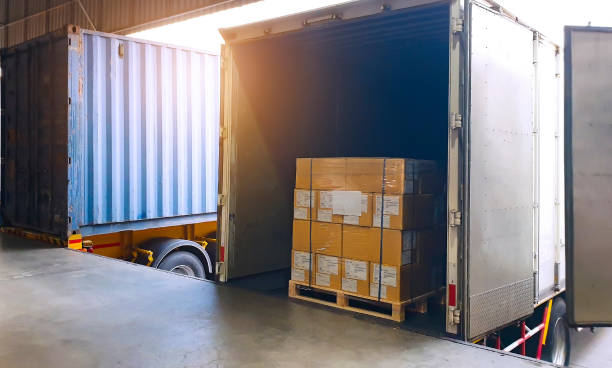
Ground-based urgent service is often best when the shipment can move directly by road within the required window. Dedicated vans, straight trucks, and tractor trailers can provide strong control, fewer touchpoints, and true pickup-to-delivery continuity. Transport Canada’s hours-of-service rules also matter here, especially for long lanes, because urgent road moves still need to be built around safe and compliant operations.
Air becomes more attractive when the distance is very long, the timeline is extremely tight, or weather and geography make road transit too risky. In many cases, the smartest emergency shipping service is actually a hybrid plan, using air for the long segment and dedicated ground for pickup or final delivery. This blend can offer the speed of flight with the control of direct trucking, especially when customs or final-mile timing would otherwise create a gap.
When Ground Is the Stronger Option
Ground is often the better emergency shipping service when the lane is within practical road range, the shipment is fragile or handling-sensitive, and the receiver needs a direct final-mile appointment. It can also outperform air when airport handling time would erase the speed advantage.
When Air Is the Better Choice
Air usually makes more sense when the shipment must cross a very long distance quickly, when highway disruption is severe, or when the delivery window is so tight that road transit cannot realistically compete. The key is comparing total movement time, not only flight time.
Why Hybrid Planning Is Often the Best Answer
Many urgent shipments do not fit cleanly into one mode. A hybrid emergency shipping service can reduce risk by using each mode where it performs best. That makes it easier to protect both the deadline and the cargo itself.
Documentation, Customs, and Compliance Still Matter
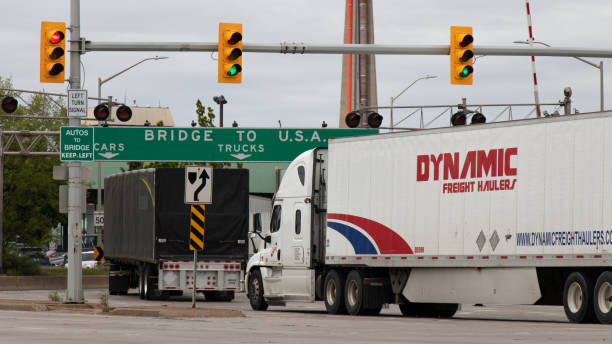
Urgency never removes the need for correct paperwork. If the shipment crosses the border, businesses still need clean invoices, accurate descriptions, importer details, classification logic, and a broker-ready file. The CBSA guide to importing commercial goods into Canada and the release memorandum both show how structured commercial release is, which means a weak document set can easily erase the time advantage of urgent transport.
Road urgency also has to stay aligned with commercial vehicle compliance. Transport Canada’s commercial vehicle safety and hours-of-service rules exist to support safe operation for extra-provincial carriers. A credible emergency shipping service should treat those rules as part of service quality, not as an obstacle. In practice, that means realistic route design, appropriate staffing, and timing that supports both urgency and legal operation.
Two Useful Canadian Government Resources
Two useful official resources for businesses reviewing urgent transport are Transport Canada’s commercial vehicle safety and driver hours-of-service information and the Canada Border Services Agency’s commercial importing guides. These help businesses understand how safety, release, and customs timing affect an emergency shipping service in real operations.
Practical Signs You Need a Better Emergency Shipping Service
- Your team has to call multiple people just to get one urgent quote
- You do not know the real ETA after the shipment leaves
- Standard freight misses urgent delivery windows too often
- Cross-border paperwork is prepared too late
- Weather disruptions cause full-day delays instead of controlled reroutes
- Receivers complain about vague timing or poor communication
- High-value shipments pass through too many hands
- You do not have a backup plan when a normal route fails
- You choose modes by habit instead of by business consequence
- The cost of late delivery is bigger than the freight bill
Why Choose Sprinter Emergency Transport Inc.
Sprinter Emergency Transport Inc. helps businesses choose and execute the right emergency shipping service with less guesswork and more control. We understand that urgency is not one-dimensional. The best answer depends on route distance, timing, weather, customs exposure, cargo sensitivity, and the consequence of delay. That is why we focus on practical transport planning rather than generic emergency language. We look at the full movement and build the service around what the shipment actually needs.
Clients choose Sprinter Emergency Transport Inc. because we treat urgent logistics as an operating discipline. That means better intake, clearer communication, stronger route logic, and tighter alignment between the transport mode and the business risk. Whether the move requires direct road transport, premium air, or a blended plan, our role is to help make the emergency shipping service feel controlled instead of chaotic. When timing matters, that structure is what businesses value most.
What Businesses Want Most From an Urgent Provider
Most companies want three things from an emergency shipping service: fast response, clear information, and confidence that the provider can actually execute the plan. Our approach is built to deliver all three in a way that supports real operations, not just fast promises.
Choose the Emergency Shipping Service That Protects the Outcome
The right emergency shipping service is not always the one that sounds fastest. It is the one that best protects the shipment’s deadline, reduces handling and customs risk, and fits the real business consequence behind the move. Some urgent shipments need direct road transport. Some need air. Some need a carefully coordinated combination of both. The smartest businesses evaluate urgency through the lens of outcome, not assumption.
If your organization regularly faces time-critical shipments, now is the right time to build a more disciplined selection process before the next crisis arrives. Sprinter Emergency Transport Inc. helps businesses create that process so the next urgent shipment can move with more speed, more clarity, and much less uncertainty. The best emergency shipping service is the one that turns a high-pressure delivery into a controlled and successful result.
Frequently Asked Questions
- What is an emergency shipping service?
An emergency shipping service is a time-critical transport solution designed to move urgent freight faster and with more direct control than standard freight options. It may use dedicated road service, premium air, or a blended route depending on the shipment. - When should a business use an emergency shipping service?
A business should use an emergency shipping service when a shipment has a hard deadline, when delay could create financial or operational damage, or when a normal freight plan has already failed and needs immediate recovery. - How do I know which emergency shipping service is right for my shipment?
The best way is to compare total door-to-door time, handling risk, customs exposure, and the consequence of delay. The right emergency shipping service is the one that best protects the business outcome, not just the route time. - Can an emergency shipping service include cross-border shipments?
Yes. An emergency shipping service can absolutely include cross-border freight, but document quality, broker coordination, and customs timing become even more important so that urgency is not lost at the border. - Is air always the best emergency shipping service?
No. Air can be the strongest option for very long distances or extreme urgency, but direct ground transport may be faster door to door on shorter lanes because it avoids airport handling and final-mile recovery delays. - Why do compliance and paperwork matter in an emergency shipping service?
Because urgent freight still has to move within customs and transport rules. Weak paperwork or unrealistic road planning can cancel the time advantage of an emergency shipping service and create avoidable delays. - How does Sprinter Emergency Transport Inc. help businesses choose an emergency shipping service?
Sprinter Emergency Transport Inc. reviews route distance, timing, cargo needs, customs exposure, and business impact to recommend the emergency shipping service that offers the strongest mix of speed, control, and reliability.