Freight Terminal operations play an important role in modern supply chains by providing dedicated spaces where goods can be received, sorted, stored, consolidated, transferred, and prepared for their next stage of transportation. A Freight Terminal can connect different parts of a supply chain, helping importers, exporters, carriers, distributors, and logistics providers coordinate the movement of cargo more efficiently. Unlike public facilities that may serve a wide range of customers under standard operating arrangements, a private Freight Terminal is generally operated for a specific business, logistics provider, or group of supply chain activities. The facility may support freight consolidation, temporary storage, cross-docking, cargo handling, distribution, and other logistics functions. Understanding how a Freight Terminal works is useful for businesses that regularly move goods between suppliers, ports, warehouses, distribution centres, and customers. As supply chains become more complex, businesses increasingly need facilities that can handle changing shipment volumes and different cargo requirements. A well-organized logistics terminal can provide a controlled point between transportation stages, while a dedicated freight warehouse can provide additional space when goods cannot immediately continue to their destination. Together, these facilities form an important part of modern freight logistics.
Understanding the Role of a Private Freight Terminal
A private freight terminal is a dedicated facility used to manage the movement and temporary handling of cargo. Its exact functions depend on the operator, available infrastructure, cargo types, and requirements of the businesses using the facility.
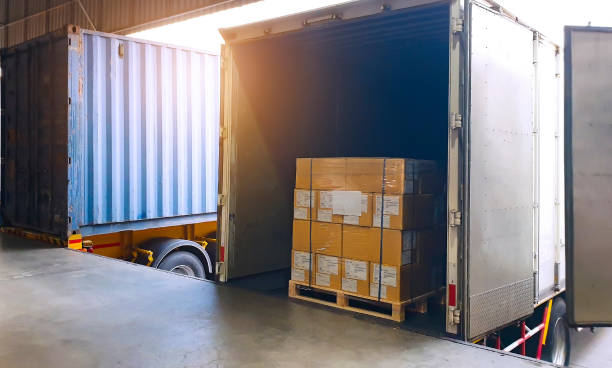
The facility may receive shipments from trucks, containers, rail services, or other transportation modes. At Sprinter Emergency Transport Inc, goods can be inspected, sorted, consolidated, temporarily stored, transferred between vehicles, or prepared for onward transportation. This helps support organized movement of cargo while keeping different logistics activities coordinated.
Sprinter Emergency Transport Inc can therefore serve as an important connection point within the wider supply chain. Instead of every shipment travelling directly from its original source to its final destination, cargo can pass through a strategically located facility where transportation and logistics activities can be managed efficiently.
For importers and exporters, this can make freight movement easier to organize, particularly when shipments involve multiple suppliers, destinations, carriers, or transportation stages.
How Private Terminals Differ From General Freight Facilities
Private facilities are typically designed around specific operational requirements rather than serving every type of customer or cargo under a standard model.
A business may use a private facility because it needs particular handling procedures, dedicated storage capacity, controlled scheduling, specialized equipment, or greater coordination between transportation and warehousing activities.
The level of control can also make it easier to establish procedures for receiving cargo, documenting shipments, managing inventory, and preparing goods for dispatch.
However, the suitability of a private facility depends on the business model. Smaller businesses with occasional shipments may not require dedicated infrastructure, while companies with regular and predictable freight volumes may benefit more from having access to a facility designed around their supply chain.
The Connection Between Terminals and Freight Logistics
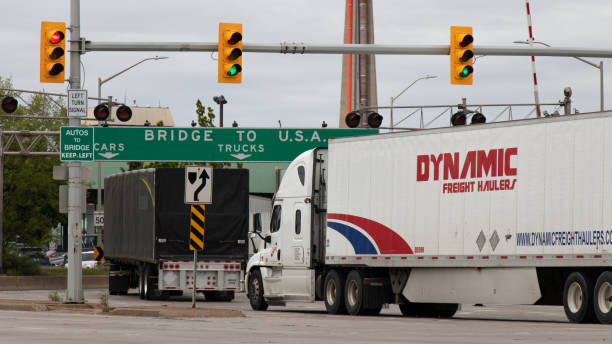
Cross-border shipping involves coordinating the movement, handling, storage, and distribution of goods as they are transported between countries from their point of origin to their final destination. A terminal supports this process by providing a physical location where transportation activities connect with warehousing and distribution. For example, imported goods may arrive at a transportation hub before being moved to a terminal. At the facility, shipments can be sorted according to destination, consolidated with other cargo, temporarily stored, or prepared for onward delivery across international borders. The terminal therefore helps reduce unnecessary transportation movements and improves coordination between different stages of the cross-border supply chain.
The effectiveness of this process depends on accurate documentation, scheduling, inventory visibility, cargo handling procedures, and communication between everyone involved.
Freight Consolidation
Freight consolidation is one of the important functions that a private terminal can support.
Instead of sending multiple smaller shipments separately, compatible goods can sometimes be combined into a larger movement. This may improve transportation efficiency and reduce the number of individual trips required.
For example, shipments from several suppliers may arrive at different times and be held temporarily until they can be combined into a planned outbound movement.
Consolidation requires careful planning because cargo must be identified, organized, documented, and prepared correctly.
A terminal provides the physical space and operational structure needed to coordinate these activities.
Cross Docking and Faster Cargo Movement
Cross docking involves transferring goods from an incoming transportation vehicle to an outbound vehicle with little or no long-term storage.
The objective of air freight logistics is to keep cargo moving efficiently rather than placing it into storage for an extended period. A logistics terminal can support air freight logistics by providing designated receiving and dispatch areas where incoming freight can be sorted, processed, and transferred efficiently.
This approach can be useful for time-sensitive goods, retail distribution, scheduled deliveries, and supply chains where inventory needs to move quickly. Effective air freight logistics requires accurate scheduling and coordination. If inbound shipments arrive significantly earlier or later than expected, planned transfers may be disrupted, and delivery timelines can be affected.
For this reason, effective communication and shipment visibility are important parts of the process.
Warehousing Within a Terminal Operation
Not every shipment can be transferred immediately. Some goods may need to remain at a facility until transportation becomes available, documentation is completed, delivery arrangements are confirmed, or the receiving location is ready.
A freight warehouse can provide temporary storage within the wider logistics process.
Storage arrangements may range from short-term holding areas to more structured inventory management operations.
The appropriate storage method depends on the type of cargo, expected storage period, handling requirements, security considerations, and environmental conditions.
Warehousing should not be viewed as separate from transportation. When storage and transportation are coordinated effectively, businesses can better manage the movement of goods through the supply chain.
Three Important Functions of a Private Terminal
Freight consolidation
A private terminal can bring multiple shipments together so that compatible cargo can be organized into larger outbound movements. This can support better transportation planning and reduce unnecessary individual shipments.
Cross-docking
Cargo can be received, sorted, and transferred to outbound vehicles without requiring prolonged storage. This can be useful when speed and delivery schedules are important.
Temporary warehousing
Goods that cannot immediately continue to their destination can be held safely until the next transportation stage is ready. This provides flexibility when shipment timing does not perfectly match receiving capacity.
Receiving and Handling Cargo
Receiving is a critical part of terminal operations because mistakes at this stage can affect the rest of the supply chain.
When freight arrives, operators may verify shipment information, inspect packaging, record quantities, identify cargo, and direct goods to the appropriate area.
The process should provide clear visibility into what has arrived and where it is located.
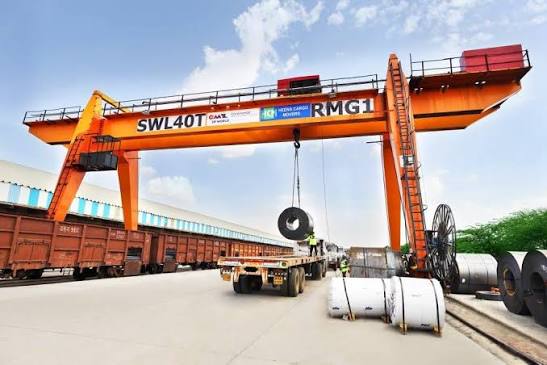
Handling procedures can vary considerably depending on cargo characteristics. Heavy, oversized, fragile, temperature-sensitive, or specialized goods may require different equipment and procedures.
Proper handling reduces the risk of damage and helps maintain accurate inventory records.
Inventory Visibility
Businesses need to know where their goods are throughout the supply chain.
A terminal can contribute to inventory visibility by recording when cargo arrives, where it is placed, when it is moved, and when it leaves the facility.
Accurate records can help logistics professionals coordinate transportation and identify potential delays.
Digital tracking systems can further improve visibility by connecting shipment information with warehouse and transportation processes.
Better information allows businesses to make decisions based on the actual status of their freight rather than relying entirely on estimated arrival times.
Why Businesses Use Private Terminals
Businesses may choose private terminal arrangements for several operational reasons.
One consideration is control. A dedicated facility can allow processes to be designed around specific cargo flows and business requirements.
Another consideration for air charter freight is consistency. Regular shipment volumes can make it useful to establish standard procedures for receiving, sorting, storing, consolidating, and dispatching goods.
Capacity is also important for air charter freight. A business experiencing seasonal demand may need additional space and handling capability during certain periods. Location can be another deciding factor, as a strategically positioned terminal can reduce unnecessary transportation movements between airports, warehouses, production facilities, and customers.
The right facility for air charter freight depends on the overall supply chain, including shipment requirements, delivery schedules, handling needs, and destination coverage, rather than simply the amount of available warehouse space.
Improving Supply Chain Efficiency
Supply chain efficiency is not only about moving goods quickly. It also involves reducing unnecessary handling, avoiding avoidable delays, coordinating transportation, and using available storage capacity effectively.
A well-managed terminal can bring several activities together at one location.
For example, incoming cargo can be received, checked, consolidated, temporarily stored, and prepared for outbound transportation without being moved between multiple unrelated facilities.
Reducing unnecessary movement can simplify logistics planning and may help businesses respond more effectively to changes in shipment volumes.
Managing Peak Freight Periods
Cross-border freight shipping volumes often fluctuate throughout the year due to seasonal demand, promotional periods, production cycles, and changes in international trade. A private terminal can provide additional operational capacity during busy periods, particularly when existing warehouse space is limited. Businesses involved in cross-border freight shipping should consider peak shipping requirements when planning terminal capacity. A facility that is suitable during an average period may become difficult to manage when shipment volumes increase significantly, making efficient terminal operations essential for maintaining reliable cross-border logistics.
Planning ahead can help businesses avoid congestion and maintain consistent cargo flow.
Security and Cargo Control
Cargo security is another important consideration for terminal operations.
A facility should have appropriate procedures for controlling access, recording incoming and outgoing shipments, and protecting stored goods.
Security requirements vary according to cargo type and business needs.
Accurate documentation is also important. When shipments are properly identified and recorded, it becomes easier to investigate discrepancies and maintain accountability throughout the movement process.
Security is therefore connected to both physical controls and accurate information management.
Supporting Importers and Exporters
Importers often need a location where incoming goods can be organised before they move into domestic distribution networks.
A terminal can provide temporary handling and storage while transportation arrangements are coordinated.
Exporters can also use terminal facilities to consolidate goods before they are transported to their next destination.
For businesses working with multiple suppliers or customers, this can simplify the organization of outbound freight.
The terminal becomes a practical link between international transportation and domestic logistics.
Choosing the Right Terminal Arrangement
Businesses considering a private terminal should assess their cargo volumes, shipment patterns, storage requirements, transportation modes, and delivery schedules.
The type of cargo also matters. Some products require specialized handling, while others can be managed through standard receiving, storage, and dispatch procedures.
Location should be evaluated carefully because transportation distance can affect both delivery schedules and logistics efficiency.
Businesses should also consider how the terminal communicates shipment information, manages documentation, tracks inventory, and coordinates inbound and outbound transportation.
A facility should support the actual needs of the supply chain rather than simply provide additional space.
The Importance of Coordination
Terminal operations depend heavily on coordination, with drivers, warehouse teams, carriers, logistics managers, suppliers, customers, and other parties involved in moving shipments through the facility. Poor communication can lead to missed appointments, congestion, incorrect loading, delayed dispatches, and inaccurate inventory information. Clear scheduling, documentation, and timely communication help reduce these risks, while modern freight logistics relies on accurate information flowing alongside the physical movement of goods.
A well-coordinated terminal also helps businesses manage shipments more efficiently by keeping receiving, handling, storage, and dispatch activities organized. For more information about related logistics services and solutions, visit the relevant blog page to explore how different freight processes can support supply chain operations.
The Role of Private Terminals in Modern Logistics
Private terminals are becoming increasingly important as businesses seek greater flexibility and control over complex supply chains.
They can combine transportation, warehousing, consolidation, cross-docking, and cargo handling within a coordinated operation.
This can be especially useful for businesses managing regular freight volumes or supply chains involving multiple transportation stages.
Sprinter Emergency Transport Inc can be considered within this broader logistics environment, where reliable transportation and coordinated freight handling are important parts of moving goods efficiently.
The exact role of any terminal will depend on its location, infrastructure, equipment, cargo capabilities, and operating procedures.
Conclusion
A Freight Terminal provides more than a place for trucks and cargo to stop. It can serve as a central connection point where freight is received, organized, consolidated, stored, transferred, and prepared for its next stage.
Private terminal operations can support businesses that require greater control over freight movement, temporary storage, cross-docking, and shipment coordination. By bringing several logistics activities together, a well-managed facility can help reduce unnecessary handling and improve visibility across the supply chain.
Freight consolidation can make smaller shipments easier to coordinate, while cross-docking can help move suitable cargo through a facility without prolonged storage. A freight warehouse can provide additional flexibility when goods cannot immediately continue to their destination. Businesses with specific handling, storage, or transportation requirements can contact us to discuss their logistics needs.
For importers, exporters, and logistics professionals, understanding how a private terminal operates can help when evaluating supply chain strategies. The most appropriate arrangement depends on cargo characteristics, shipment volumes, transportation requirements, storage needs, location, and scheduling. If you need further information about available logistics solutions or want to discuss your requirements, please contact us.
As modern supply chains continue to become more interconnected, terminals remain an important part of freight logistics. Their value comes from coordinating the physical movement of goods with the information, storage, and transportation processes needed to keep supply chains operating efficiently.
Frequently Asked Questions
What is a private freight terminal?
A private freight terminal is a dedicated facility used to receive, handle, consolidate, store, transfer, and dispatch cargo according to specific operational requirements.
What is the difference between a terminal and a warehouse?
A warehouse primarily focuses on storing goods, while a terminal can support transportation activities such as receiving, consolidation, cross-docking, transfers, and temporary storage.
How does freight consolidation work?
Freight consolidation combines compatible smaller shipments into a larger planned movement. This can help coordinate transportation and reduce unnecessary individual shipments.
What is cross-docking in freight logistics?
Cross docking involves receiving goods and transferring them to outbound transportation with little or no long-term storage between the two stages.
Why would a business use a private terminal?
Businesses may use private terminals for greater control, dedicated capacity, specialized handling, temporary storage, consolidation, and better coordination between transportation and warehousing.